
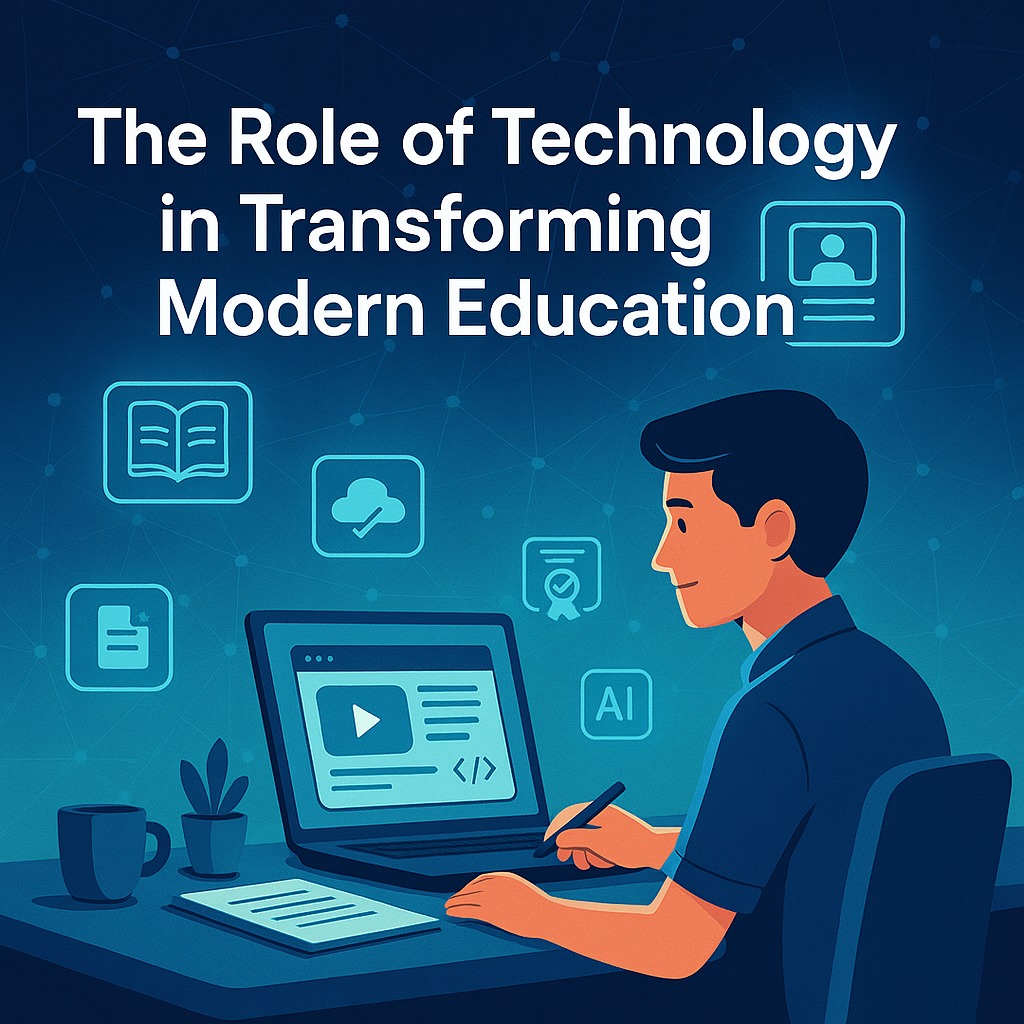
The Role of Technology in Transforming Modern Education
In today’s digital era, technology has become an integral part of every aspect of life—including education. The rapid development of technology has transformed how we learn, teach, and manage educational systems. These advancements offer vast opportunities to enhance accessibility, efficiency, and the quality of learning, while also introducing new challenges that educators, policymakers, and communities must address.
A Shift in Learning Paradigms
Technology has revolutionized education by shifting it from traditional models to more flexible and personalized learning experiences. Some key transformations include:
- Online learning: Students can now access educational materials anytime, anywhere.
- Blended learning: A mix of face-to-face and digital learning offers a more dynamic experience.
- Multimedia-based instruction: Videos, animations, and interactive tools help visualize complex concepts.
- E-learning platforms: Tools like Google Classroom, Moodle, and Ruangguru improve teacher-student interaction and streamline assignments.
Benefits of Technology in Education
1. Broader Access to Education
Technology bridges geographic gaps, allowing students in remote areas to access the same learning materials as those in urban centers.
2. Personalized Learning
With the help of data and AI, instruction can be tailored to each student’s needs, pace, and learning style.
3. Efficiency and Transparency
Administrative tasks, grading, and student progress tracking become faster and more transparent through digital platforms.
4. Global Collaboration
Technology enables collaboration between educators and students across borders, fostering intercultural understanding and global competencies.
Challenges in Educational Technology Implementation
Despite its many benefits, educational technology faces several obstacles:
- Digital divide: Many students still lack access to reliable internet or digital devices.
- Readiness of teachers and students: Effective use of technology requires training and adaptation.
- Data privacy and security: Student information must be protected on digital platforms.
- Overreliance on technology: Tech-based learning should be balanced with social interaction and real-world context.
Strategies to Maximize Technology’s Role in Education
To fully harness the power of technology in education, several strategic steps can be taken:
- Ensure equal access to digital infrastructure, especially in underserved regions.
- Train educators intensively to integrate technology into their teaching effectively.
- Develop high-quality digital content that aligns with students’ needs and the national curriculum.
- Improve digital literacy for students, teachers, and parents alike.
Conclusion
Technology plays a crucial role in reshaping the education landscape. When used wisely and equitably, it can become a powerful tool to improve educational quality and accessibility. The success of this transformation depends on collaboration between governments, educational institutions, private sectors, and communities. The future of education is undeniably digital—and Indonesia must be ready to embrace it with sustainable and inclusive strategies.
About the Author
Gusti Ayu Tita
Author — STEKOM University
An active author focused on academic issues, educational technology, and human resource development in the campus environment.



