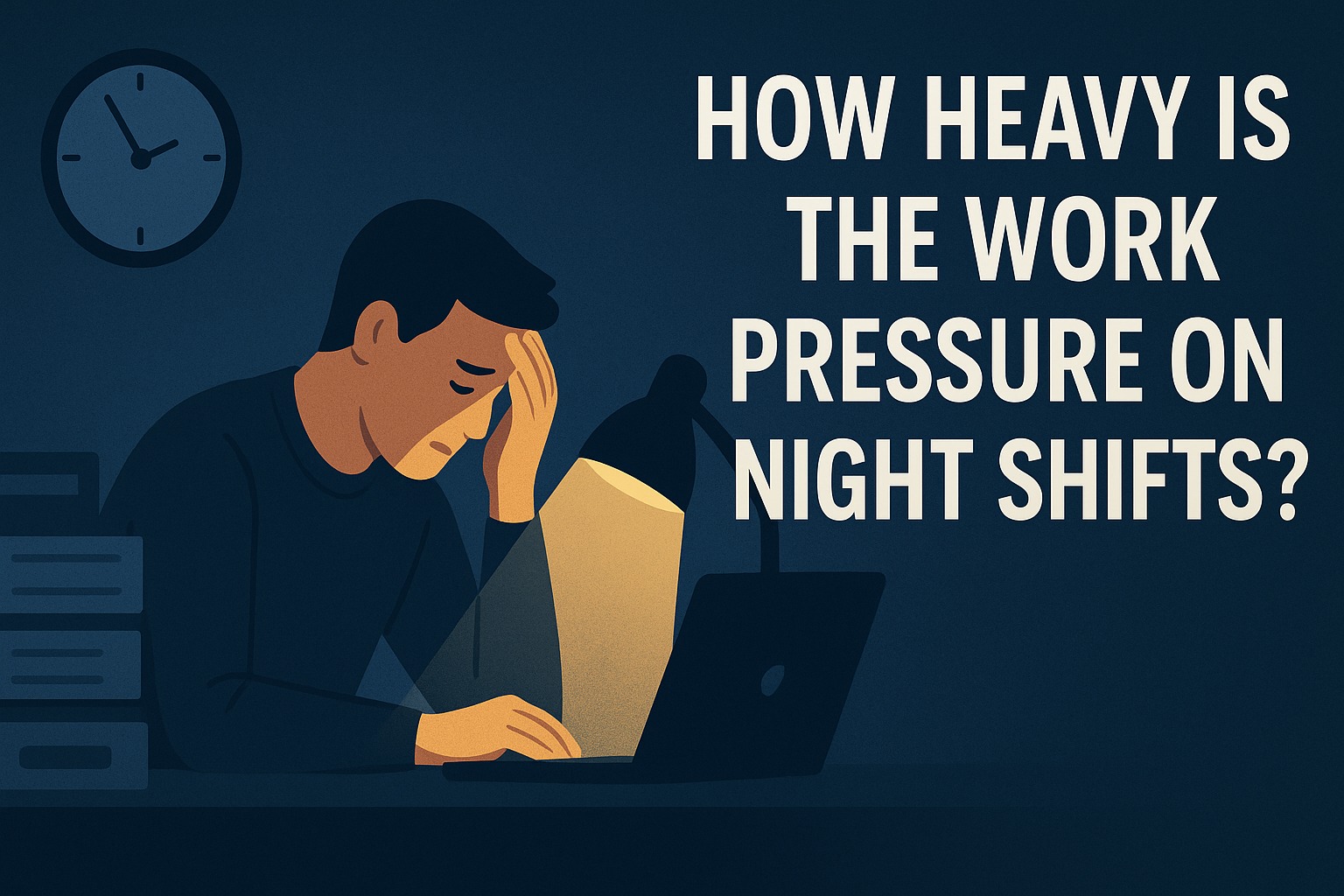
Working a night shift is often seen as more relaxed because the environment tends to be quieter. However, in reality, many workers experience heavier physical and mental pressure when working during hours when the body is naturally meant to rest. The question is, how intense is the pressure faced by night-shift workers?
DISRUPTED BIOLOGICAL CLOCK AND FATIGUE
Night shifts force the body to operate against its natural rhythm. The human body is designed to be active during the day and rest at night, so working during these hours often leads to prolonged fatigue, difficulty sleeping, and reduced concentration.
MENTAL PRESSURE CAUSED BY RESPONSIBILITIES
Many professions that operate at night carry critical responsibilities—such as healthcare workers, production operators, and security personnel. These responsibilities often create significant stress, especially when working with fewer team members during the night.
LONG-TERM HEALTH RISKS
Research shows that night-shift work increases the risk of several health issues. These range from digestive problems and weakened immune systems to serious conditions such as hypertension and heart disease caused by irregular sleep patterns.
SOCIAL AND EMOTIONAL IMPACT
Working at night often means a drastic reduction in quality time with family. Workers may feel isolated, out of sync with social activities, and prone to emotional exhaustion.
LACK OF FACILITIES AND SUPPORT DURING NIGHT SHIFTS
Not all companies provide adequate facilities or support during nighttime operations. Limited access to healthy food, safe transportation, or sufficient staffing can all add to the pressure experienced by night-shift workers.
STRATEGIES TO MANAGE NIGHT SHIFT PRESSURE
Despite the high pressure, there are several ways to stay healthy and productive during night shifts. These include maintaining a consistent sleep routine, eating nutritious food, staying hydrated, and doing light stretches during work.
CONCLUSION
The pressure of night-shift work is not simply about staying awake. It involves physical, mental, and social challenges, as well as long-term health risks. With proper self-management and workplace support, night-shift workers can remain productive while maintaining their well-being.
About the Author
Gusti Ayu Tita
Author — STEKOM University
An active author focused on academic issues, educational technology, and human resource development in the campus environment.