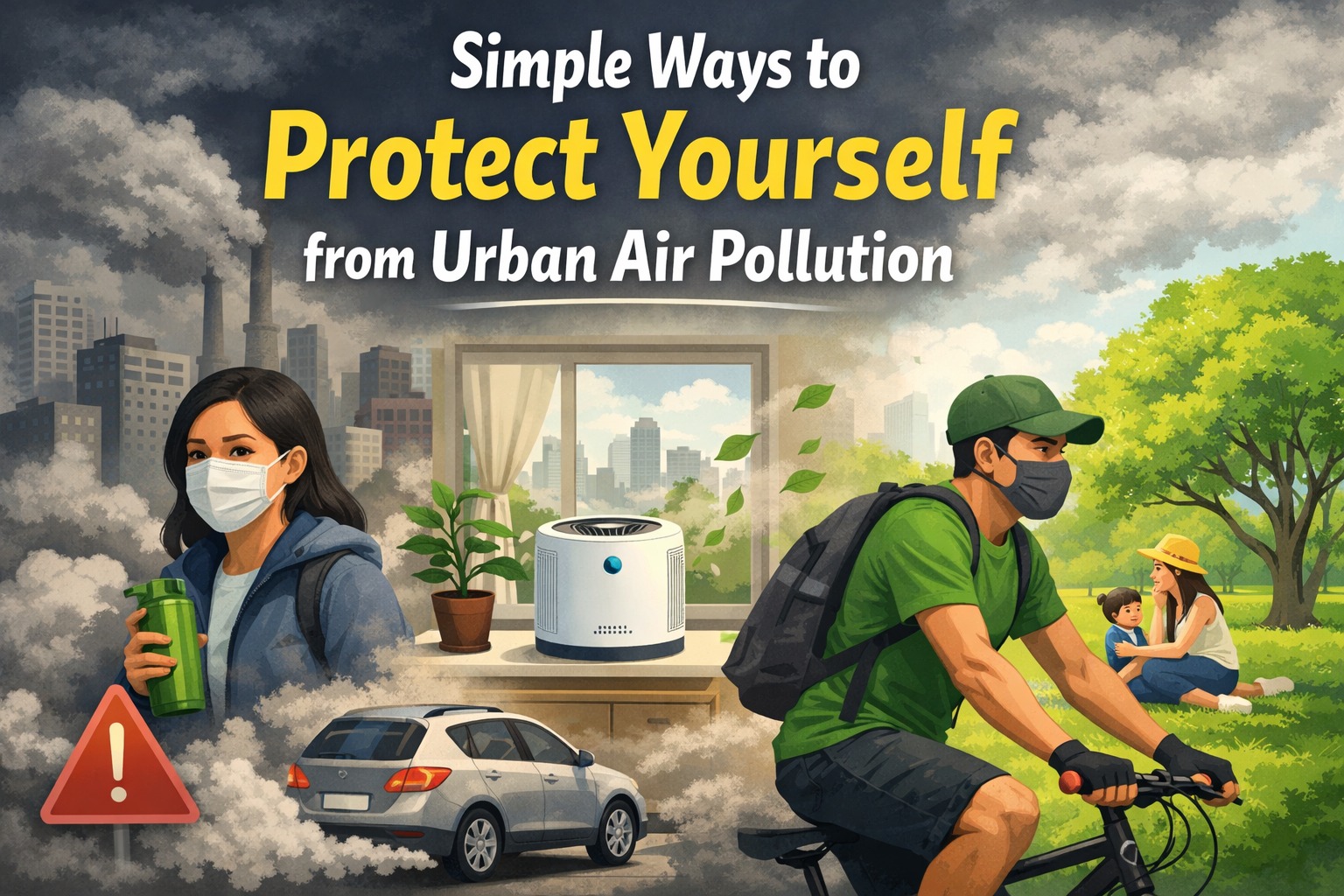
Air pollution has become one of the biggest challenges for people living in modern cities. Smoke from vehicles, industrial emissions, construction dust, and burning waste can reduce air quality and negatively affect human health. Long-term exposure to polluted air may lead to respiratory problems, allergies, fatigue, and even serious diseases. Fortunately, there are several simple ways to protect yourself from urban air pollution and maintain a healthier lifestyle.
UNDERSTANDING THE DANGERS OF URBAN AIR POLLUTION
Urban air pollution contains harmful particles and gases such as carbon monoxide, sulfur dioxide, and fine dust particles known as PM2.5. These pollutants can easily enter the lungs and bloodstream. People who live in crowded cities are often exposed to polluted air every day without realizing the risks.
Children, elderly individuals, and people with asthma are more vulnerable to air pollution. However, healthy adults can also experience negative effects such as headaches, coughing, and reduced lung function if they are exposed continuously.
WEAR A MASK WHEN OUTDOORS
One of the easiest ways to protect yourself from polluted air is by wearing a high-quality mask. Masks such as N95 or KN95 can help filter harmful particles from the air. This is especially important when traveling in heavy traffic or visiting areas with poor air quality.
Using a mask regularly can reduce the amount of harmful pollutants that enter the respiratory system. Make sure the mask fits properly to provide maximum protection.
AVOID OUTDOOR ACTIVITIES DURING PEAK POLLUTION HOURS
Air pollution levels are usually higher during rush hours in the morning and evening. Limiting outdoor activities during these times can help reduce exposure to harmful pollutants.
If possible, choose to exercise or walk in the early morning when traffic is lighter and the air is fresher. Parks and green spaces are also better locations for outdoor activities compared to busy roads.
KEEP INDOOR AIR CLEAN
Indoor air quality is just as important as outdoor air quality. Dust, smoke, and chemicals inside the house can also affect health. To improve indoor air quality, regularly clean your home and ensure proper ventilation.
Using air purifiers and keeping indoor plants can also help reduce pollutants indoors. Avoid smoking inside the house because cigarette smoke can significantly worsen indoor air conditions.
CONSUME HEALTHY FOODS
A healthy diet can help the body fight the negative effects of pollution. Foods rich in antioxidants, vitamins, and minerals can strengthen the immune system and protect the lungs.
Fruits such as oranges, apples, and berries are excellent choices. Vegetables like spinach and broccoli also contain nutrients that support respiratory health. Drinking enough water is equally important because it helps the body remove toxins more effectively.
MONITOR AIR QUALITY REGULARLY
Technology makes it easier to check daily air quality levels. Many mobile apps and weather platforms now provide air quality information in real time. Monitoring air quality can help you decide when it is safer to go outside.
When pollution levels are high, it is better to stay indoors and reduce unnecessary travel. Taking preventive action early can help minimize health risks.
USE PUBLIC TRANSPORTATION OR ECO-FRIENDLY OPTIONS
Reducing the number of private vehicles on the road can help lower urban pollution levels. Using public transportation, cycling, or walking can contribute to cleaner air while also improving personal health.
Carpooling is another effective way to reduce emissions. Small lifestyle changes from many individuals can create a significant positive impact on the environment.
CONCLUSION
Urban air pollution is a serious issue that affects millions of people worldwide. Although it may be impossible to avoid pollution completely, simple daily habits can help reduce exposure and protect overall health. Wearing masks, maintaining clean indoor air, eating nutritious foods, and monitoring air quality are practical steps everyone can follow. By becoming more aware and environmentally responsible, people can enjoy healthier lives even in busy urban environments.
About the Author
Gusti Ayu Tita
Author — STEKOM University
An active author focused on academic issues, educational technology, and human resource development in the campus environment.