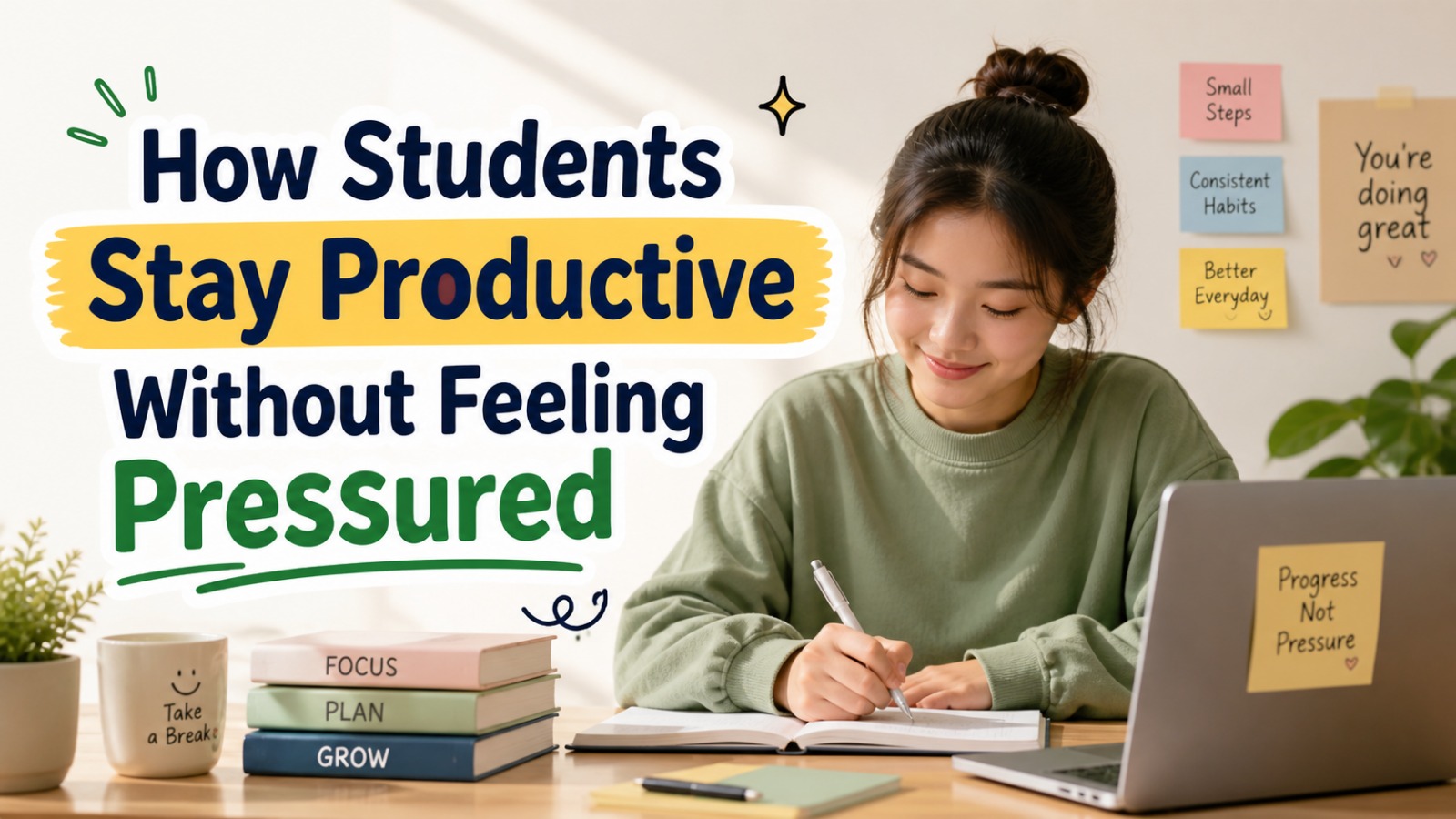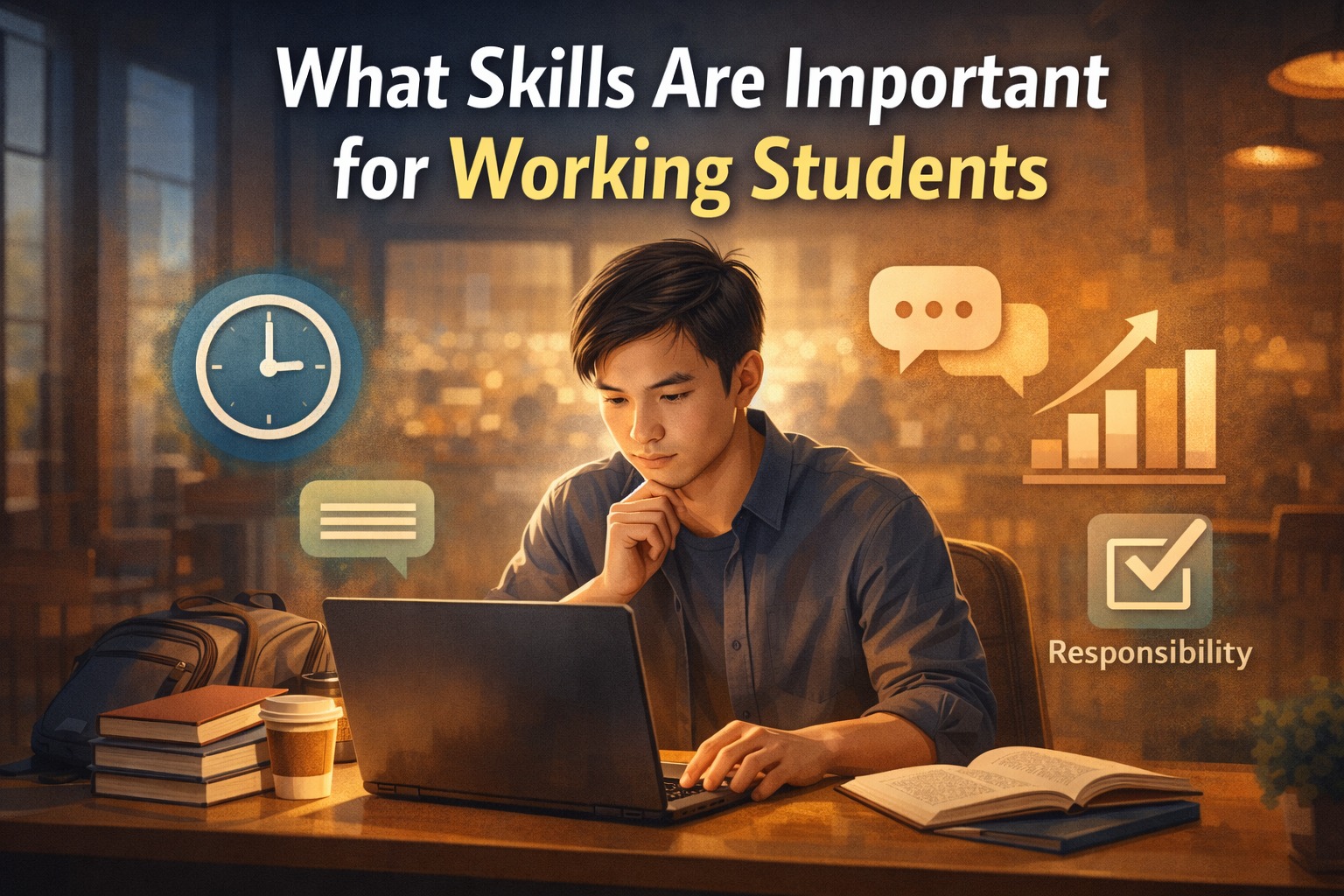
Working students are required not only to complete academic assignments but also to meet targets and responsibilities at work. Without the right skills, pressure can increase and affect both academic and job performance. Therefore, understanding what skills are important for working students is the first step to surviving and thriving.
TIME MANAGEMENT SKILLS
Balancing Study and Work Schedules
Time management is the most crucial skill for working students. The ability to organize class schedules, work hours, and rest time helps students stay productive without sacrificing their health. Good time management prevents task overload and excessive fatigue.
EFFECTIVE COMMUNICATION SKILLS
Delivering Information Clearly and Professionally
Strong communication is essential in both academic and professional environments. Working students must be able to express opinions, understand instructions, and coordinate with lecturers and colleagues. Effective communication reduces misunderstandings and improves teamwork.
STRESS MANAGEMENT SKILLS
Handling Academic and Work Pressure Wisely
Pressure is an unavoidable part of a working student’s life. Stress management skills help students stay calm and focused when dealing with dual responsibilities. Managing stress well supports mental health and keeps performance stable.
ADAPTABILITY SKILLS
Adjusting to Different Situations
Working students frequently switch roles between academic life and professional life. Adaptability allows them to adjust to schedule changes, job demands, and new environments. This skill makes students more flexible and prepared for challenges.
DISCIPLINE AND COMMITMENT
Consistently Fulfilling Responsibilities
Discipline and commitment are the foundation of success for working students. Completing tasks on time and following academic and workplace rules demonstrate professionalism. Strong discipline helps maintain trust from lecturers and employers.
TEAMWORK SKILLS
Building Strong Collaboration
Teamwork is necessary both on campus and in the workplace. Working students need to cooperate effectively, respect differences, and contribute actively to team efforts. This skill creates a harmonious learning and working environment.
DECISION-MAKING SKILLS
Setting Priorities in Difficult Situations
Working students often face difficult choices between academic and work responsibilities. Decision-making skills help them prioritize wisely and act responsibly. This ability ensures balanced and rational actions.
CONCLUSION
The essential skills for working students include time management, communication, stress management, adaptability, discipline, teamwork, and decision-making. Mastering these skills enables working students to balance dual roles successfully and improve their chances of academic and professional success.
About the Author
Gusti Ayu Tita P
Author — STEKOM University
An active author focused on academic issues, educational technology, and human resource development in the campus environment.