Global Collaboration Skills Soshum Students Need to Succeed in the Modern World
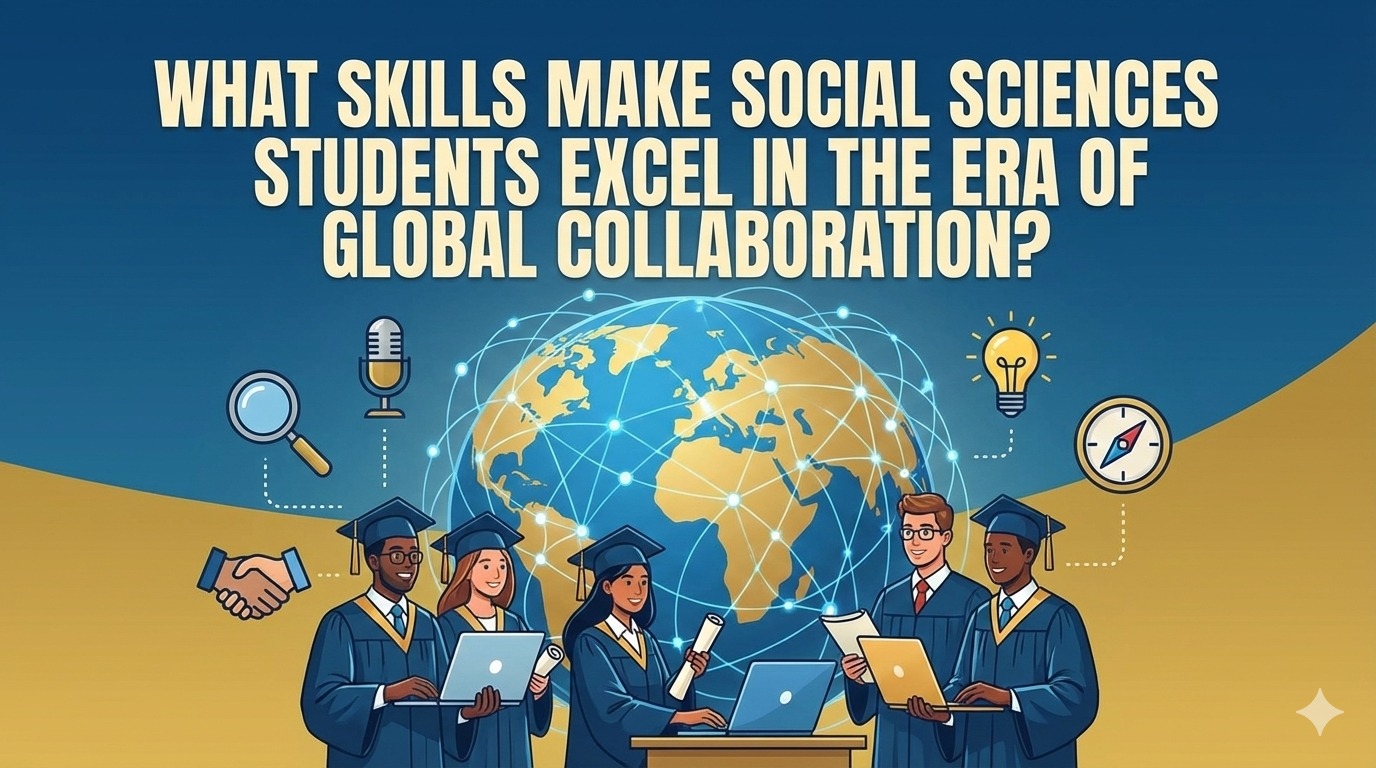
In the era of globalization and rapid technological advancement, the world is becoming increasingly interconnected without boundaries. Cross-country, cross-cultural, and interdisciplinary collaboration has become common, especially in education and professional careers. For students in Social and Humanities fields (Soshum), the ability to excel in global collaboration is a key factor in entering the modern workforce. So, what skills are essential for Soshum students to compete and thrive in the era of global collaboration?
WHY ARE GLOBAL COLLABORATION SKILLS IMPORTANT FOR SOSHUM STUDENTS?
As future professionals in social and humanitarian fields, Soshum students need strong cross-cultural competencies. Global challenges such as economic development, education, environmental issues, and humanitarian crises require cooperation among various stakeholders from different countries.
With the right skills, Soshum students can:
* Participate in international programs
* Build global professional networks
* Contribute to large-scale social issues
* Access international career opportunities
1. FOREIGN LANGUAGE PROFICIENCY AND CROSS-CULTURAL COMMUNICATION
Communication is the foundation of global collaboration. Soshum students need to master international languages—especially English—to interact, negotiate, and work effectively with diverse partners.
Key skills to develop include:
* Foreign language proficiency (at least English, ideally a second language)
* Intercultural communication skills to understand cultural differences
* Diplomatic skills and international communication ethics
These abilities make it easier for students to engage in global forums, projects, and competitions.
2. DIGITAL LITERACY AND COLLABORATIVE TECHNOLOGY SKILLS
Global collaboration is not always conducted face-to-face. Many activities take place virtually through digital platforms, making digital literacy a mandatory skill.
Tools that should be mastered include:
* Communication platforms (Zoom, Google Meet, Microsoft Teams)
* Collaborative tools (Trello, Notion, Slack, Miro)
* LinkedIn for global networking
* AI tools for research and productivity
Soshum students must be able to use technology effectively for learning, working, and building international connections.
3. CRITICAL THINKING AND A GLOBAL MINDSET
To collaborate at a global level, Soshum students must develop an open and analytical way of thinking.
Important skills to strengthen include:
* Critical thinking to understand global issues
* A global mindset—viewing problems from international perspectives
* Adaptability to different cultures, ideas, and ways of thinking
With a global mindset, students can think more broadly, innovate, and respond effectively to global challenges.
4. LEADERSHIP AND TEAMWORK IN MULTICULTURAL ENVIRONMENTS
Global collaboration requires the ability to work effectively in multicultural teams. Soshum students should be capable of taking on leadership roles as well as being reliable team members.
Essential abilities include:
* Inclusive leadership
* Conflict management and negotiation
* Remote and cross-border collaboration skills
* Empathy and assertive communication
These skills are highly valuable in international cooperation, global organizations, and professional careers.
5. CREATIVITY AND SOCIAL INNOVATION
At the global level, creativity goes beyond art—it involves developing innovative solutions to social problems. Soshum students must be able to generate relevant, effective, and sustainable ideas.
Examples of application include:
* Designing creative social programs
* Creating global digital campaigns
* Developing cross-cultural content and initiatives with real impact
Social innovation enables Soshum students to contribute meaningfully to global change.
CONCLUSION
To excel in the era of global collaboration, Soshum students must start building global competencies early. From foreign language mastery and digital literacy to a global mindset, multicultural leadership, and social innovation, these skills are essential for unlocking international opportunities.
With these competencies, Soshum students are not only ready to compete globally but also prepared to become agents of change who contribute positively to the world.
About the Author
Gusti Ayu Tita
Author — STEKOM University
An active author focused on academic issues, educational technology, and human resource development in the campus environment.