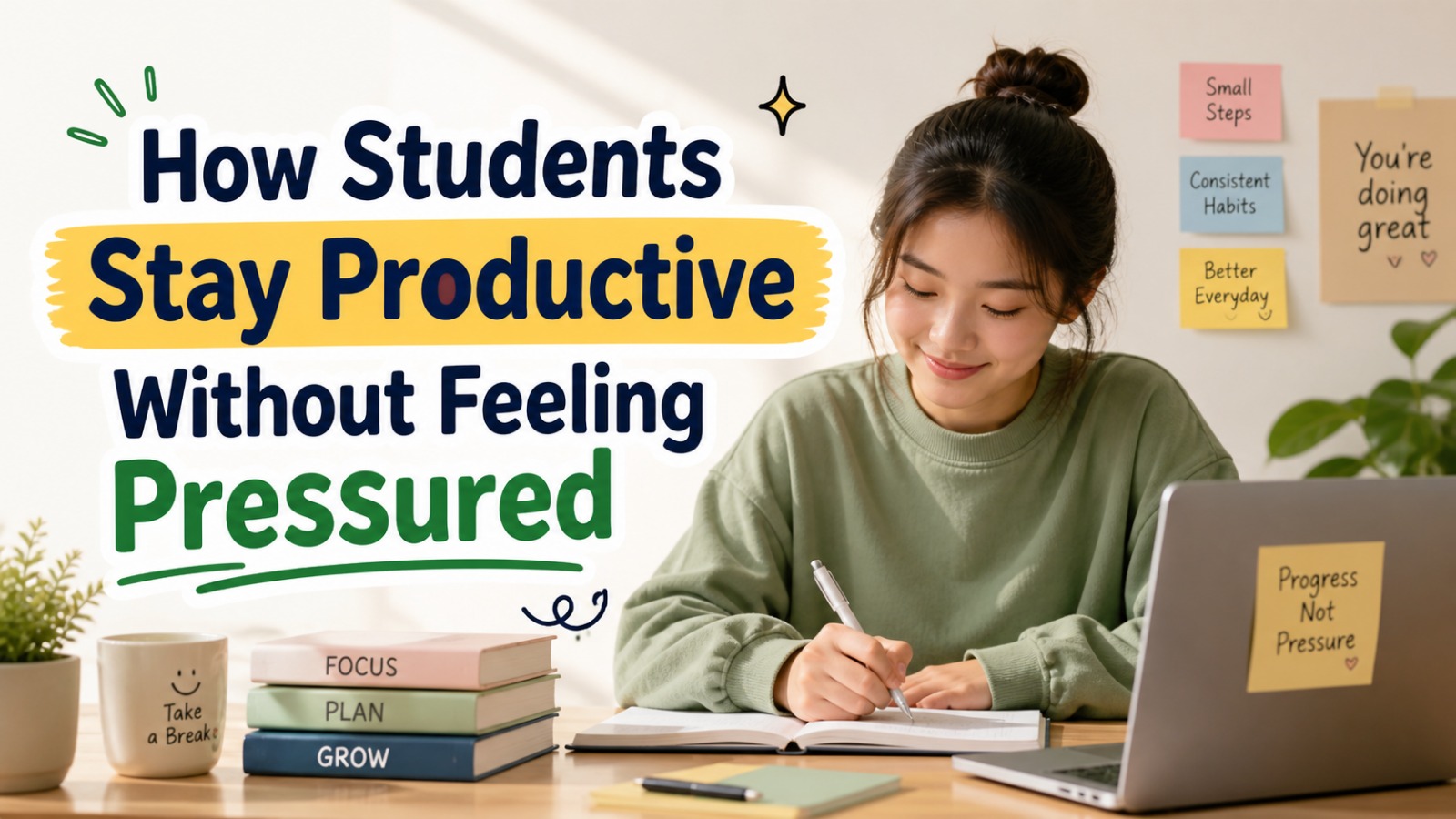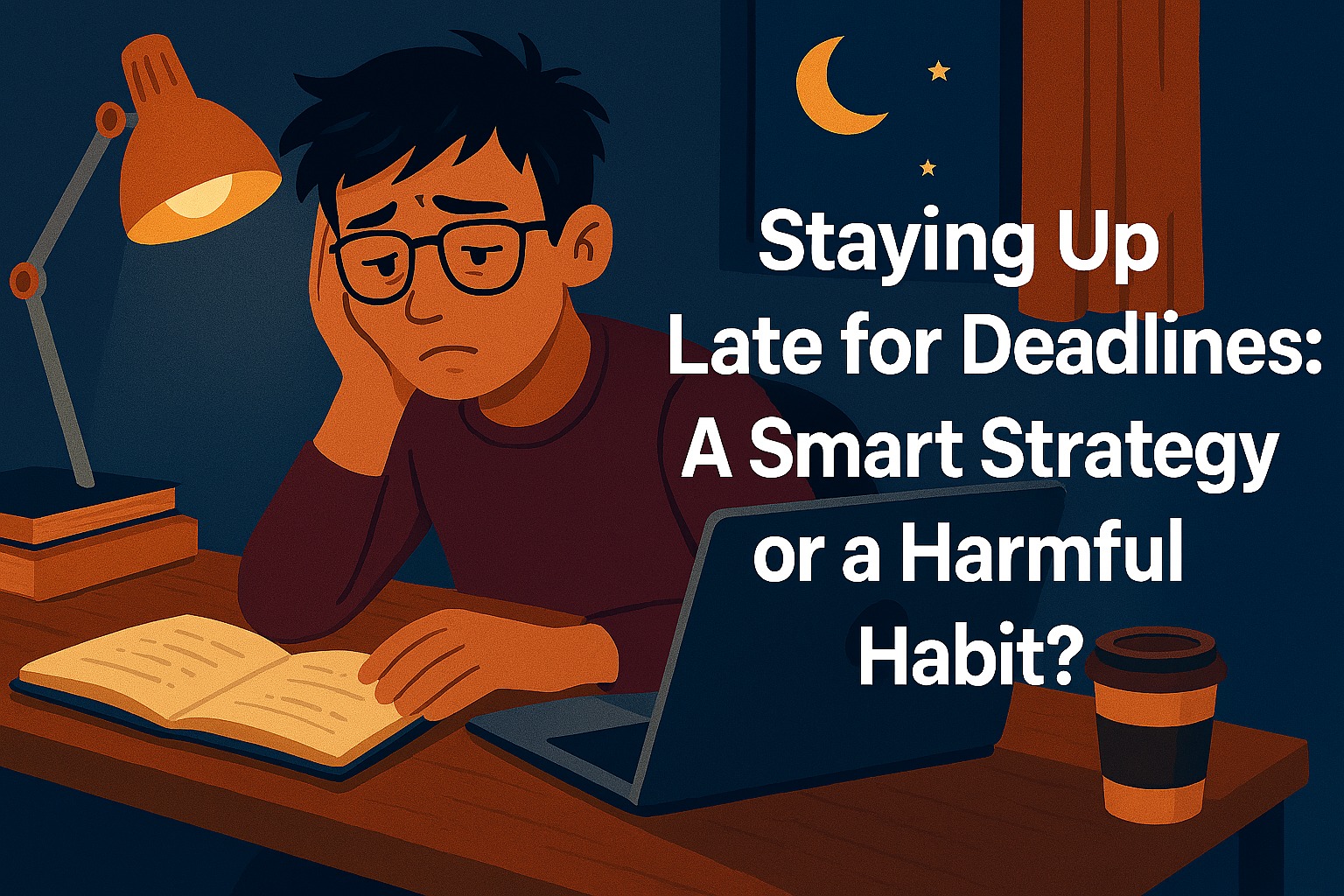
Staying up late to meet deadlines is often seen as a shortcut to completing tasks on time. Many students and professionals feel that nighttime is the best moment to focus and catch up. However, behind this habit, an important question appears: is staying up late truly a smart solution, or does it become a health-threatening routine?
This article discusses the impact of staying up late on productivity, health, and alternative strategies to stay effective without sacrificing sleep.
WHY STAYING UP LATE BECOMES A COMMON CHOICE
Deadline pressure is the main reason people stay up late. When time feels limited, working late into the night seems logical. A quieter environment with fewer distractions also makes many people feel more focused.
There is also a belief that working under pressure improves performance. The adrenaline that comes from being chased by time can indeed make someone work faster. However, this condition is temporary and does not always lead to the best quality results.
THE EFFECTS OF STAYING UP LATE ON PHYSICAL HEALTH
Consistent sleep deprivation can disrupt the immune system, reduce energy levels, and slow down the body’s recovery process. Staying up late can also trigger headaches, digestive issues, and decreased stamina.
In the long term, irregular sleep patterns can lead to more serious health problems. A constantly exhausted body will struggle to function optimally, and productivity during the day will decrease.
This means meeting deadlines by staying up late may work today, but the negative effects can appear later.
IMPACT ON PERFORMANCE AND WORK QUALITY
Staying up late affects not only the body but also thinking ability. Lack of sleep reduces concentration, memory, and decision-making skills. As a result, the risk of mistakes increases and task quality may decline.
Often, assignments completed late at night require additional revisions the next day. This shows that working without enough rest is not always efficient.
True productivity is not only about finishing tasks, but also maintaining high-quality standards.
SMART STRATEGIES TO HANDLE DEADLINES WITHOUT STAYING UP LATE
Instead of turning staying up late into a habit, here are healthier and more effective strategies:
- Plan tasks early and set internal deadlines.
- Break work into smaller steps to reduce pressure.
- Avoid procrastination by starting earlier.
- Maintain a regular sleep schedule to keep energy stable.
- Prioritize tasks based on urgency and difficulty.
With good time management, deadlines can be met without sacrificing health.
CONCLUSION: FAST OR SUSTAINABLE?
Staying up late for deadlines may look like a quick solution. In emergency situations, it may be unavoidable. However, if done repeatedly, it can harm both physical and mental health.
The best choice is to find balance between productivity and rest. Being disciplined in time management and starting tasks earlier is far more effective than relying on midnight energy.
In the end, success is not only measured by completed tasks, but also by the ability to maintain health and sustainable performance.
About the Author
Gusti Ayu Tita P
Author — STEKOM University
An active author focused on academic issues, educational technology, and human resource development in the campus environment.