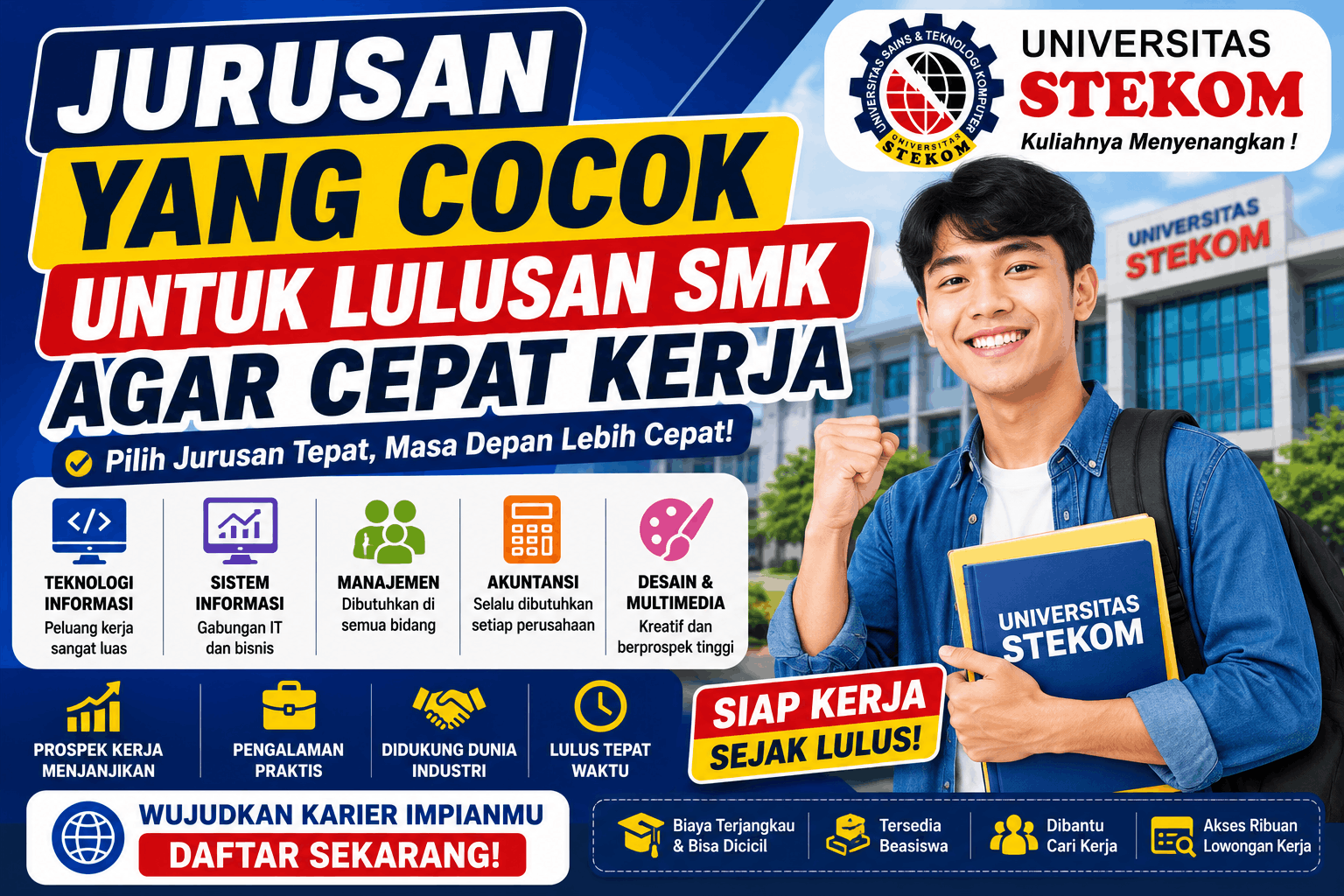
Starting a career in today’s modern working world can be both exciting and challenging. Rapid technological developments, increasing competition, and changing workplace expectations require young professionals to prepare themselves carefully. Fresh graduates and job seekers who understand effective career strategies usually adapt faster and achieve better professional growth. Building the right mindset, improving skills, and staying adaptable are important keys to long-term success.
UNDERSTAND YOUR CAREER GOALS
Before entering the professional world, it is important to understand your career goals clearly. Knowing the type of work, industry, and professional path you want to pursue can help you focus your efforts and make better career decisions.
Setting short-term and long-term goals also helps maintain motivation and direction. Individuals with clear goals are usually more confident when facing workplace challenges and opportunities.
IMPROVE BOTH HARD SKILLS AND SOFT SKILLS
Modern companies look for employees who have balanced technical and interpersonal abilities. Hard skills such as digital literacy, data analysis, graphic design, programming, or financial management are highly valuable depending on the industry.
At the same time, soft skills like communication, teamwork, leadership, and problem-solving are equally important. Employees who combine technical expertise with strong interpersonal skills often stand out in competitive workplaces.
BUILD A PROFESSIONAL PERSONAL BRAND
Personal branding plays a major role in career development today. Employers often pay attention to a candidate’s online presence and professional reputation. Building a positive image through social media platforms and professional networks can increase career opportunities.
Sharing achievements, skills, projects, and professional insights online can help individuals create credibility and attract potential employers or collaborators.
GAIN EXPERIENCE THROUGH INTERNSHIPS AND PROJECTS
Experience is one of the biggest advantages when starting a career. Participating in internships, freelance work, volunteer programs, or personal projects can help job seekers gain practical knowledge and understand workplace environments.
These experiences also strengthen CVs and portfolios, making candidates more attractive to employers. Even small projects can demonstrate initiative, creativity, and dedication.
DEVELOP NETWORKING SKILLS
Networking is an important strategy for career success in the modern era. Building relationships with lecturers, mentors, coworkers, alumni, and industry professionals can provide valuable opportunities and career guidance.
Attending seminars, webinars, workshops, and professional events can help expand connections. A strong network often opens access to job information, collaborations, and mentorship opportunities.
STAY ADAPTABLE TO CHANGE
The modern workplace changes rapidly because of technological innovation and global competition. Employees who are flexible and open to change are more likely to succeed in dynamic work environments.
Learning new technologies, understanding industry trends, and improving professional skills continuously can help individuals remain competitive and relevant in their careers.
LEARN EFFECTIVE TIME MANAGEMENT
Managing time effectively is essential for workplace productivity. Young professionals often face multiple responsibilities and deadlines, so prioritizing tasks becomes very important.
Good time management helps reduce stress, improve efficiency, and maintain work quality. Professionals who consistently manage their schedules well are usually considered reliable and disciplined.
MAINTAIN A POSITIVE AND PROFESSIONAL ATTITUDE
A positive attitude can create a strong impression in the workplace. Employers appreciate employees who are enthusiastic, responsible, cooperative, and willing to learn from mistakes.
Professionalism also includes respecting coworkers, following company rules, and maintaining good ethics in every situation. A positive mindset helps individuals face challenges with confidence and resilience.
CONTINUE LEARNING AND DEVELOPING
Career success requires continuous self-improvement. Taking online courses, earning certifications, reading industry news, and learning from experienced professionals are excellent ways to develop professionally.
Individuals who continue learning are more prepared to face future opportunities and changes in the working world.
CONCLUSION
Successfully starting a career in the modern working world requires preparation, adaptability, and continuous growth. By understanding career goals, improving skills, building networks, and maintaining professionalism, young professionals can create stronger opportunities for long-term success. Consistent effort and a willingness to learn will help individuals grow confidently in today’s competitive professional environment.
About the Author
Gusti Ayu Tita P
Author — STEKOM University
An active author focused on academic issues, educational technology, and human resource development in the campus environment.