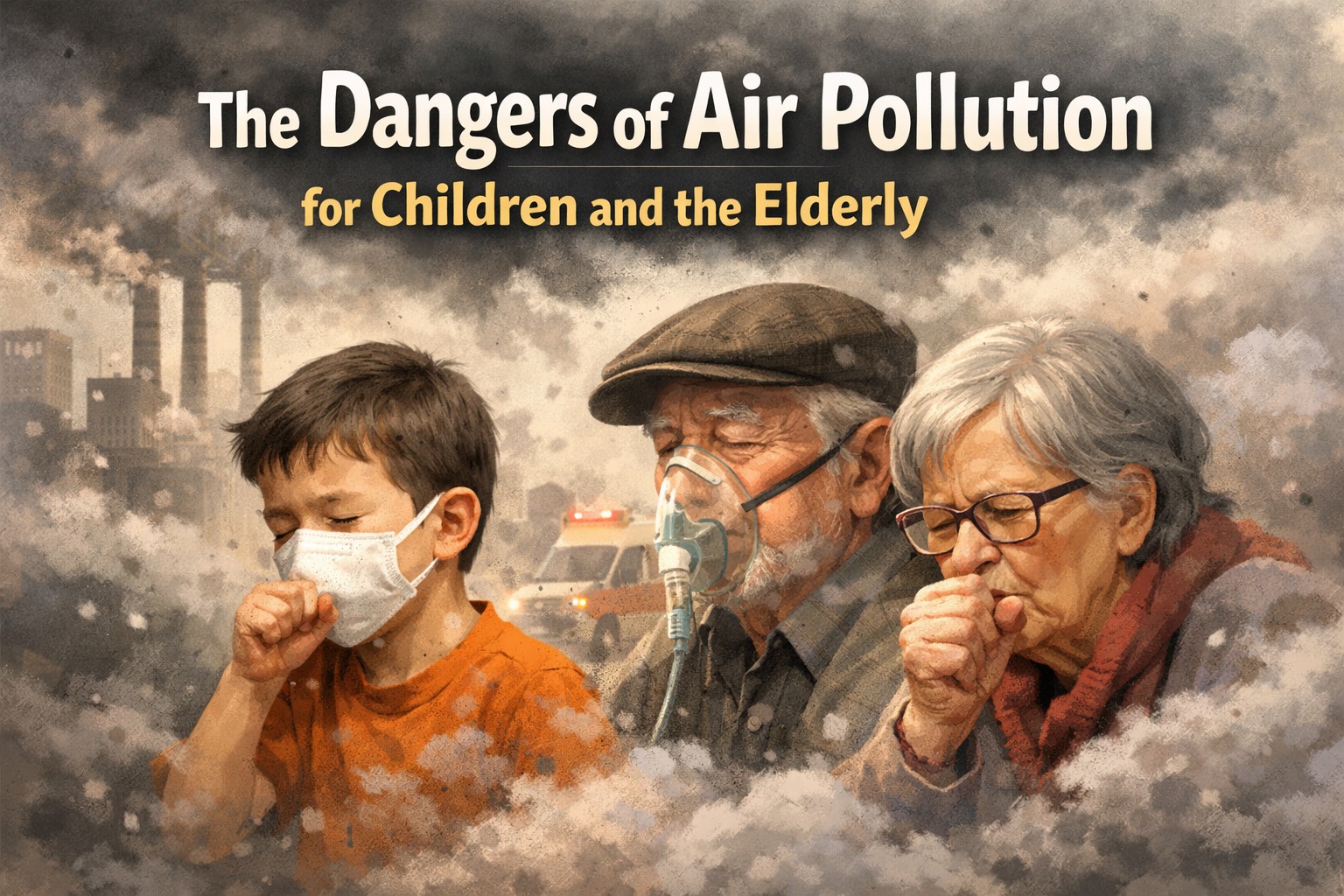
Air pollution has become one of the biggest environmental problems affecting human health worldwide. Rapid industrial growth, vehicle emissions, and the burning of fossil fuels continue to increase the level of harmful substances in the air. While polluted air can affect everyone, children and the elderly are among the most vulnerable groups. Their bodies are less capable of defending against toxic particles, making them more likely to experience serious health problems.
Understanding the dangers of air pollution is essential to protecting future generations and improving public health. By recognizing the risks and taking preventive measures, communities can reduce the harmful effects of polluted air.
WHY CHILDREN ARE MORE VULNERABLE TO AIR POLLUTION
Children have developing lungs and immune systems, making them highly sensitive to polluted environments. They also breathe faster than adults, causing them to inhale more pollutants relative to their body size. Exposure to dirty air during childhood can interfere with physical and cognitive development.
Air pollution may trigger respiratory diseases such as asthma, bronchitis, and chronic coughing. Long-term exposure can even reduce lung function and increase the risk of cardiovascular problems later in life. In some cases, polluted air has been linked to learning difficulties and reduced concentration among school-aged children.
Children who live near busy roads or industrial areas are at greater risk because they are constantly exposed to harmful gases and fine particulate matter.
THE IMPACT OF AIR POLLUTION ON THE ELDERLY
Older adults are also highly susceptible to the effects of polluted air due to weakened immune systems and age-related health conditions. Many elderly individuals already suffer from chronic diseases such as heart disease, diabetes, or respiratory disorders, which can worsen when air quality declines.
Exposure to air pollution may increase the risk of heart attacks, strokes, and breathing difficulties in older people. Fine particles in the air can enter the bloodstream and place additional stress on the cardiovascular system. Elderly individuals may also experience fatigue, dizziness, and reduced overall quality of life when exposed to polluted environments for long periods.
Extreme air pollution events can lead to increased hospital admissions and higher mortality rates among senior citizens.
COMMON SOURCES OF AIR POLLUTION
Several factors contribute to worsening air quality in urban and rural areas. Vehicle emissions are one of the main sources of harmful gases such as carbon monoxide and nitrogen dioxide. Industrial factories also release toxic chemicals into the atmosphere.
Other significant contributors include:
- Burning garbage and plastic waste
- Forest fires and agricultural burning
- Cigarette smoke
- Construction dust
- Household fuels such as coal or wood
These pollutants can remain in the air for long periods and travel across large distances, affecting millions of people.
HOW TO PROTECT CHILDREN AND THE ELDERLY
Reducing exposure to polluted air is an important step in protecting vulnerable groups. Families and communities can take several preventive actions to minimize health risks.
Some effective ways include:
- Monitoring daily air quality levels before outdoor activities
- Using air purifiers indoors
- Wearing protective masks during severe pollution
- Avoiding outdoor exercise near heavy traffic
- Planting more trees to improve air quality
- Reducing the use of private vehicles
Governments also play a major role by enforcing stricter environmental regulations and promoting clean energy solutions.
THE IMPORTANCE OF PUBLIC AWARENESS
Public awareness is essential in combating air pollution. Many people underestimate the long-term dangers of breathing polluted air every day. Educational campaigns can encourage healthier habits and inspire communities to support environmental protection programs.
Schools, healthcare institutions, and local governments should work together to spread information about pollution prevention and health protection. Small lifestyle changes, when adopted collectively, can create a cleaner and safer environment for everyone.
CONCLUSION
Air pollution poses serious dangers to both children and the elderly because their bodies are more vulnerable to harmful environmental conditions. Respiratory illnesses, heart disease, and weakened immune systems are only some of the health risks linked to polluted air. Preventive actions, stronger environmental policies, and increased public awareness are necessary to reduce these dangers and improve overall quality of life.
Protecting clean air is not only an environmental responsibility but also an important investment in human health and future generations.
About the Author
Gusti Ayu Tita
Author — STEKOM University
An active author focused on academic issues, educational technology, and human resource development in the campus environment.