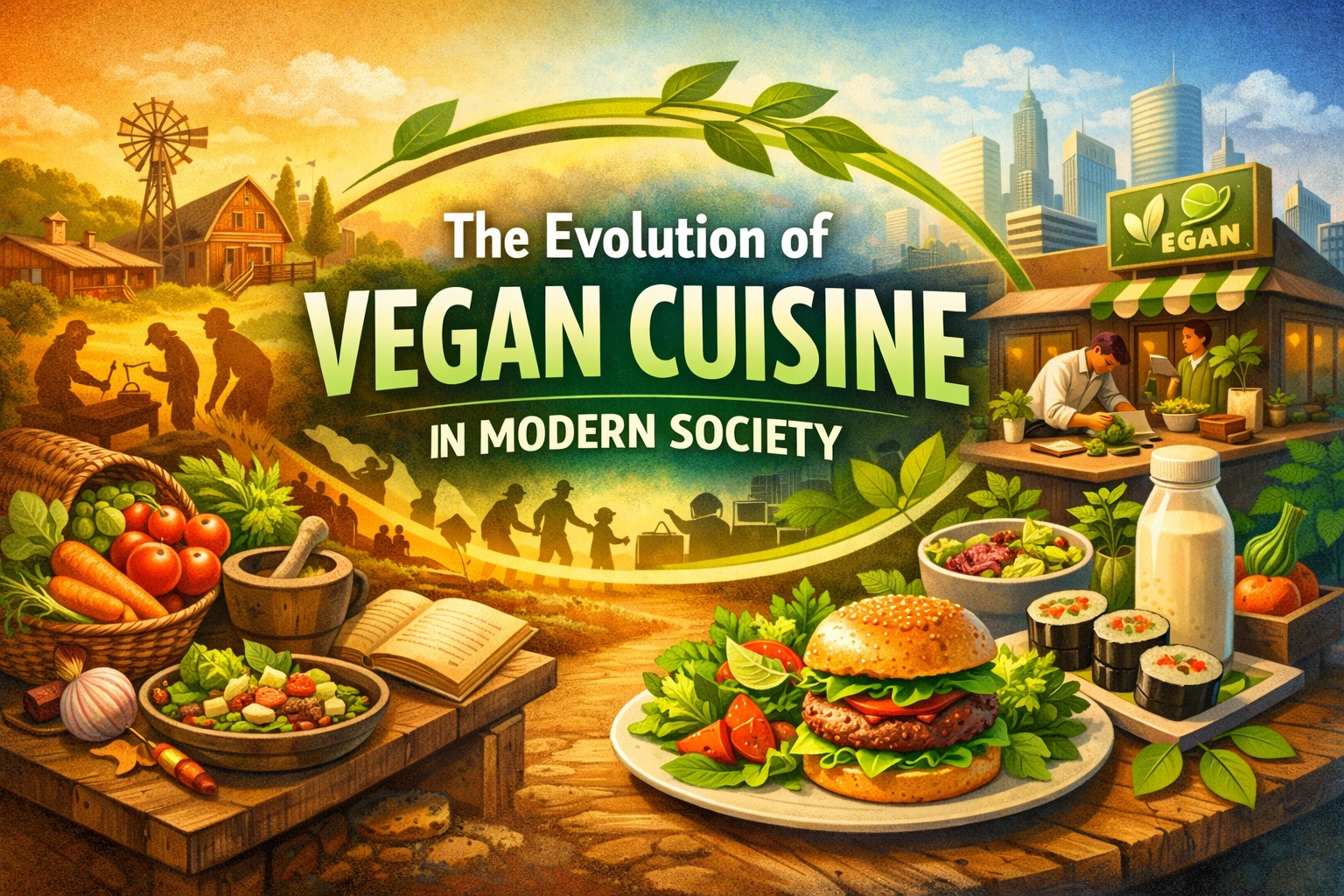
Vegan cuisine has transformed from a niche lifestyle choice into a global culinary movement. In modern society, plant-based eating is no longer limited to salads and simple vegetable dishes. Today, vegan food represents innovation, sustainability, health awareness, and creativity. Restaurants, food companies, and home cooks are continuously developing exciting vegan meals that appeal to a broader audience. As awareness of environmental and health issues increases, vegan cuisine continues to evolve rapidly across the world.
THE HISTORY OF VEGAN CUISINE
The roots of vegan cuisine can be traced back thousands of years. Ancient civilizations in India, Greece, and parts of Asia practiced plant-based eating for religious and ethical reasons. However, the modern vegan movement officially gained recognition in 1944 when the Vegan Society was established in the United Kingdom.
In earlier decades, vegan food options were very limited. Many people viewed vegan meals as bland and lacking variety. Over time, culinary experts began experimenting with plant-based ingredients, leading to the creation of flavorful alternatives that mimic traditional dishes.
Today, vegan cuisine includes everything from burgers and pizzas to desserts and gourmet fine dining experiences.
THE RISE OF PLANT-BASED INNOVATION
One major factor behind the evolution of vegan cuisine is food technology. Companies are investing heavily in plant-based innovations to create products that taste and feel similar to meat and dairy products.
Plant-based proteins made from soy, peas, mushrooms, and wheat are becoming increasingly popular. Vegan cheese, milk, ice cream, and meat substitutes are now widely available in supermarkets and restaurants worldwide.
Modern chefs are also redefining vegan cooking by using creative ingredients such as jackfruit, tempeh, tofu, cashews, and oat milk. These ingredients help create rich flavors and textures that satisfy consumers seeking healthier alternatives.
HEALTH BENEFITS OF VEGAN CUISINE
Many people choose vegan cuisine because of its potential health benefits. A balanced vegan diet can provide essential nutrients while reducing the intake of saturated fats and processed foods.
Some commonly reported benefits include:
- Improved heart health
- Better digestion
- Weight management
- Lower cholesterol levels
- Increased energy
Fruits, vegetables, whole grains, nuts, and legumes are packed with vitamins, minerals, and antioxidants that support overall wellness. As a result, health-conscious consumers are increasingly exploring plant-based meal options.
ENVIRONMENTAL IMPACT AND SUSTAINABILITY
Environmental concerns have also contributed to the growing popularity of vegan cuisine. The food industry significantly impacts natural resources, greenhouse gas emissions, and water consumption.
Plant-based diets are often considered more sustainable because they generally require fewer resources compared to animal agriculture. Many consumers are now making dietary choices that align with environmental responsibility.
Restaurants and food brands are responding by introducing eco-friendly packaging, locally sourced ingredients, and sustainable production methods. Vegan cuisine has become closely associated with the global movement toward a greener future.
VEGAN CUISINE IN POPULAR CULTURE
Social media has played a major role in making vegan cuisine more mainstream. Food influencers, chefs, and celebrities regularly share attractive plant-based recipes online, inspiring millions of followers.
Streaming platforms and cooking shows now feature vegan recipes alongside traditional dishes. Fast-food chains and luxury restaurants are also expanding their vegan menus to meet increasing customer demand.
This cultural shift has changed public perception. Vegan cuisine is now viewed as modern, stylish, and accessible rather than restrictive.
CHALLENGES FACING VEGAN CUISINE
Despite its growth, vegan cuisine still faces several challenges. Some consumers remain skeptical about taste, affordability, and nutritional balance. In certain regions, plant-based products can still be more expensive than conventional foods.
Additionally, maintaining proper nutrition requires careful meal planning to ensure adequate intake of nutrients such as vitamin B12, iron, calcium, and protein.
However, continuous innovation and greater public awareness are helping overcome these obstacles. As vegan products become more accessible, the industry is expected to continue expanding.
THE FUTURE OF VEGAN CUISINE
The future of vegan cuisine looks promising. Advances in food science, culinary creativity, and consumer demand are driving the development of healthier and more delicious plant-based meals.
Experts predict that vegan cuisine will continue influencing global food trends, restaurant menus, and grocery markets. Younger generations are especially interested in sustainable eating habits, making vegan food increasingly relevant in modern society.
As more people explore plant-based lifestyles, vegan cuisine will likely remain an important part of the future of food.
CONCLUSION
The evolution of vegan cuisine reflects major changes in health awareness, environmental responsibility, and culinary innovation. What once seemed like a limited dietary option has become a dynamic and diverse global trend.
From advanced plant-based products to creative restaurant menus, vegan cuisine continues to reshape modern eating habits. As society embraces healthier and more sustainable lifestyles, the influence of vegan food is expected to grow even further in the coming years.
About the Author
Gusti Ayu Tita
Author — STEKOM University
An active author focused on academic issues, educational technology, and human resource development in the campus environment.