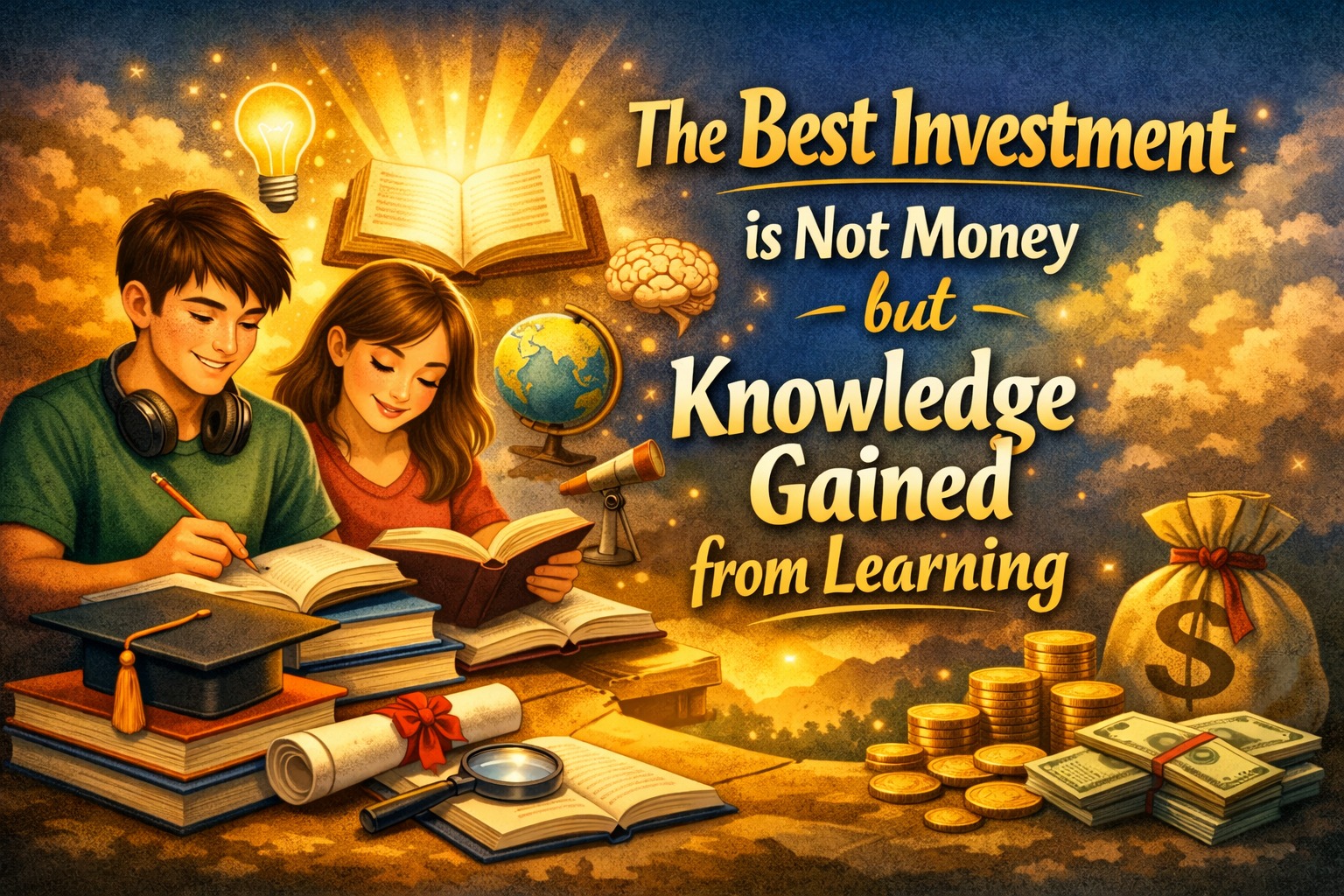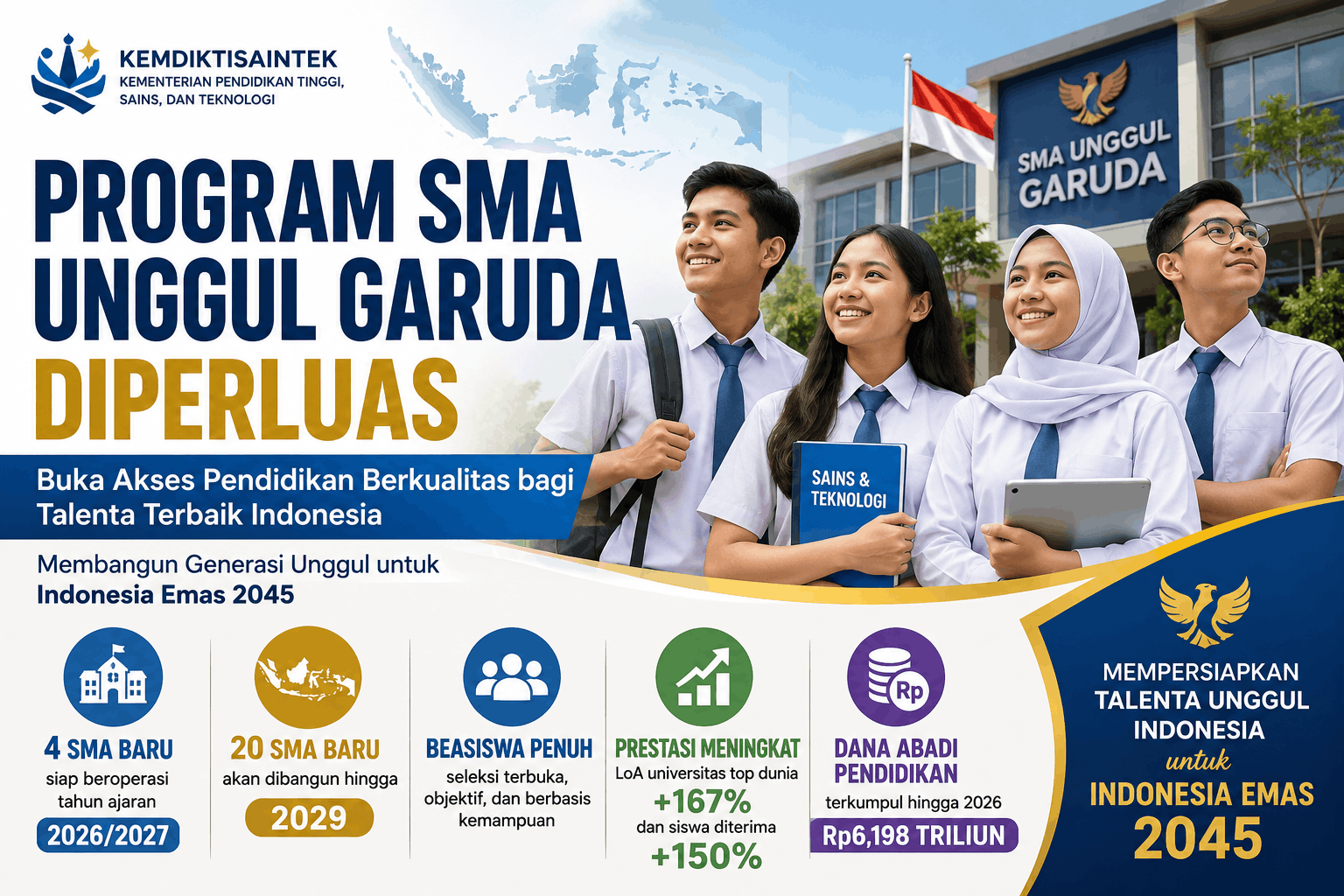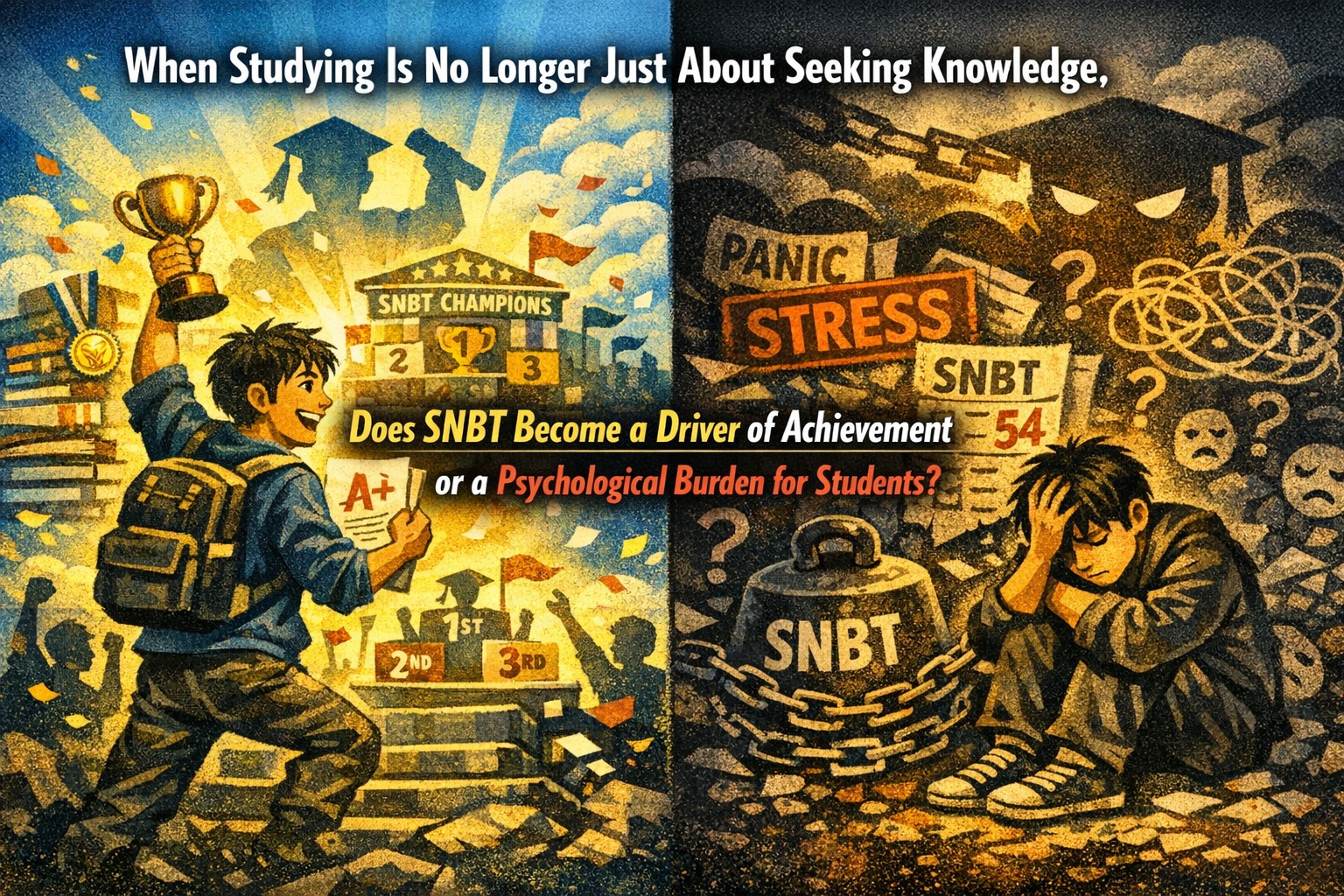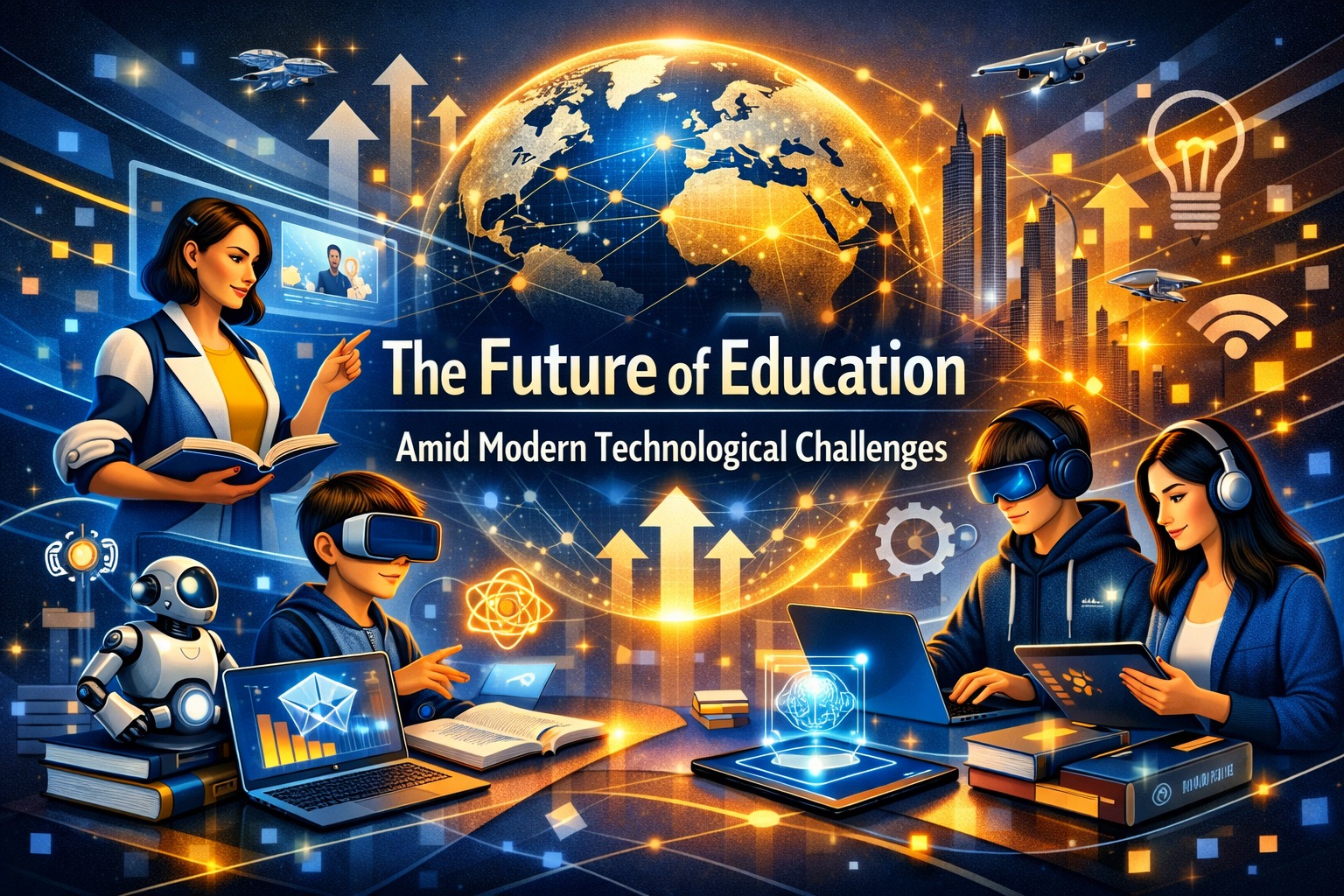
The world is entering an era where technology shapes every aspect of life, including education. From artificial intelligence to virtual classrooms, modern innovations are redefining how knowledge is delivered and absorbed. However, these advancements also bring challenges that require adaptation and strategic planning to ensure education remains effective and inclusive.
TECHNOLOGY AS A DRIVING FORCE
Modern technology has revolutionized education by making learning more accessible and interactive. Online platforms, digital libraries, and AI‑powered tools allow students to learn anytime and anywhere. Yet, the rapid pace of technological change demands continuous updates to teaching methods and curricula to keep education relevant.
CHALLENGES IN DIGITAL TRANSFORMATION
Despite its benefits, technology introduces several challenges. Issues such as unequal access to devices, lack of digital literacy, and data privacy concerns hinder progress. Many educators struggle to balance traditional teaching values with modern digital approaches, creating gaps in learning quality and engagement.
THE ROLE OF EDUCATORS IN THE FUTURE
Teachers remain central to the learning process, even in a technology‑driven world. Their role is evolving from information providers to facilitators of critical thinking and creativity. Continuous professional development and digital training are essential to help educators adapt to new tools and methodologies.
INNOVATIVE STRATEGIES FOR FUTURE EDUCATION
To overcome technological challenges, education systems must embrace innovation. Blended learning, personalized education, and AI‑assisted teaching can enhance student outcomes. Collaboration between governments, institutions, and tech companies will be key to building sustainable and equitable educational ecosystems.
CONCLUSION
The future of education lies in harmonizing technology with human values. By addressing digital challenges and fostering innovation, education can empower future generations to thrive in a connected, intelligent world. The goal is not to replace teachers with technology but to use technology to amplify human potential.
About the Author
Gusti Ayu Tita
Author — STEKOM University
An active author focused on academic issues, educational technology, and human resource development in the campus environment.