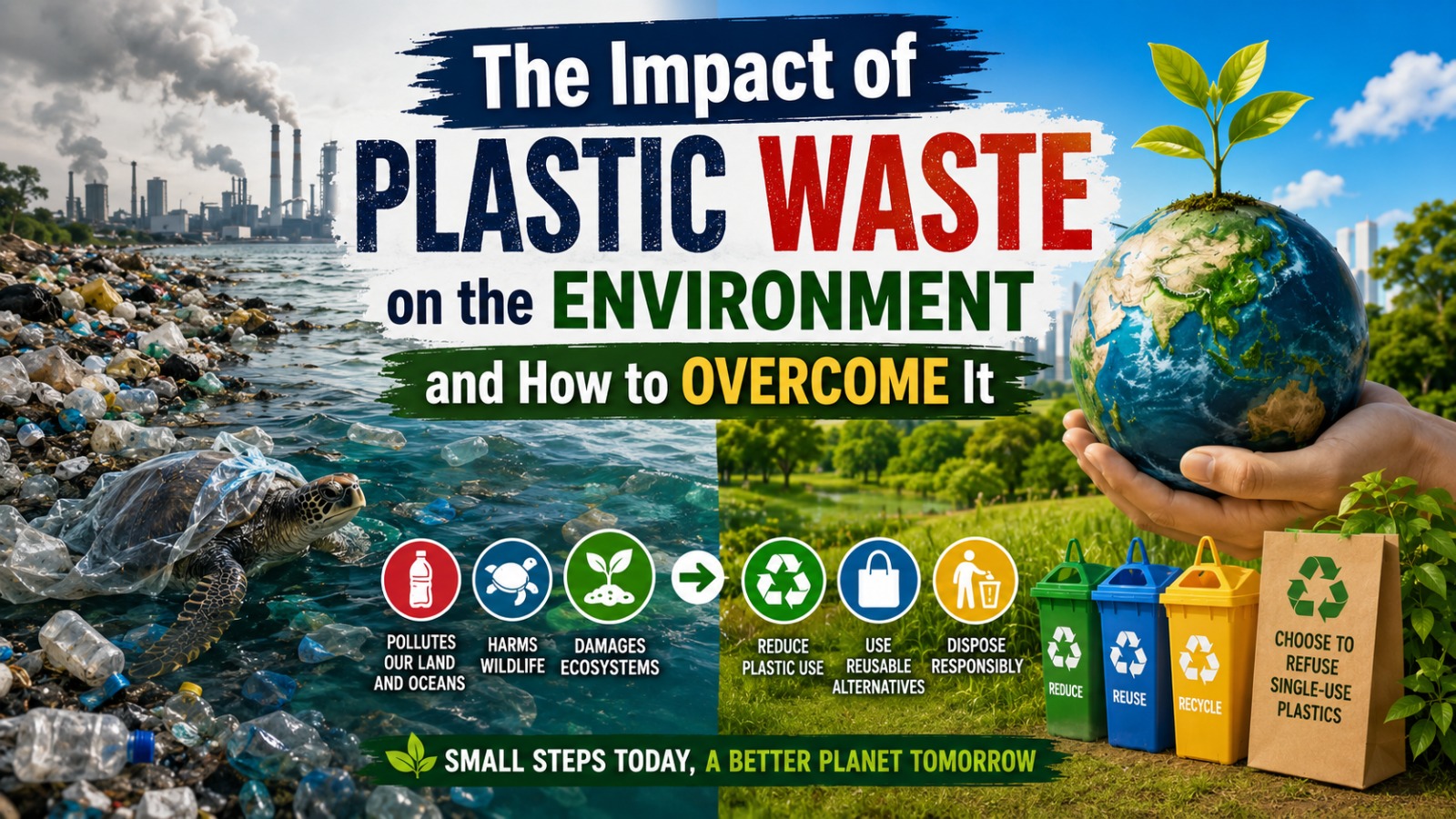
Plastic waste has become one of the biggest environmental challenges in the modern world. The increasing use of single-use plastics in daily life has led to severe pollution in oceans, rivers, forests, and urban areas. Although plastic products are practical and affordable, their long decomposition process creates long-term environmental problems that threaten ecosystems and human health.
Understanding the impact of plastic waste and finding effective solutions are essential steps toward creating a cleaner and healthier environment for future generations.
WHAT CAUSES PLASTIC WASTE POLLUTION?
Plastic pollution mainly comes from excessive consumption of disposable products such as plastic bags, bottles, food packaging, and straws. Rapid urbanization, population growth, and poor waste management systems also contribute to the growing amount of plastic waste worldwide.
Many people still dispose of plastic carelessly, causing garbage to accumulate in waterways and public spaces. In some regions, limited recycling facilities make it difficult to process plastic waste properly, resulting in more pollution.
THE NEGATIVE IMPACT OF PLASTIC WASTE ON THE ENVIRONMENT
Plastic waste affects the environment in many harmful ways. Because plastic takes hundreds of years to decompose, it continues to pollute ecosystems for a very long time.
Ocean Pollution
Millions of tons of plastic enter the oceans every year. Marine animals often mistake plastic for food, leading to injury, starvation, or death. Plastic pollution also damages coral reefs and disrupts marine ecosystems.
Soil and Water Contamination
Plastic waste releases harmful chemicals into the soil and water as it breaks down into smaller particles called microplastics. These pollutants can affect plant growth and contaminate drinking water sources.
Air Pollution
Burning plastic waste produces toxic gases that contribute to air pollution and health problems. These emissions can increase respiratory diseases and negatively affect environmental quality.
Threat to Wildlife
Animals living in forests, rivers, and coastal areas can become trapped in plastic waste or accidentally consume it. This threatens biodiversity and disrupts the balance of natural ecosystems.
HOW PLASTIC WASTE AFFECTS HUMAN HEALTH
Plastic pollution does not only harm nature but also impacts human health. Microplastics have been found in food, water, and even the air people breathe. Some plastic materials contain chemicals that may interfere with hormones and increase health risks over time.
Poor waste disposal and open burning of plastic can also create unsanitary conditions and increase exposure to toxic substances in communities.
EFFECTIVE WAYS TO OVERCOME PLASTIC WASTE
Reducing plastic pollution requires cooperation between individuals, communities, businesses, and governments. Several practical solutions can help minimize the environmental impact of plastic waste.
Reduce Single-Use Plastics
Using reusable bags, bottles, and containers can significantly decrease plastic waste. Avoiding unnecessary packaging also helps reduce pollution.
Improve Recycling Systems
Better recycling programs and waste separation systems can help process plastic waste more efficiently. Public awareness campaigns can encourage people to recycle responsibly.
Support Eco-Friendly Products
Choosing biodegradable or environmentally friendly alternatives can reduce dependence on conventional plastics. Many companies are now developing sustainable packaging solutions.
Participate in Clean-Up Activities
Community clean-up programs for beaches, rivers, and neighborhoods can help reduce plastic accumulation and raise environmental awareness.
Strengthen Environmental Policies
Governments can create stricter regulations on plastic production and waste management. Policies such as banning single-use plastics and encouraging recycling industries can make a significant difference.
THE ROLE OF EDUCATION IN REDUCING PLASTIC POLLUTION
Environmental education plays an important role in changing public behavior. Schools, organizations, and media platforms can educate people about the dangers of plastic waste and the importance of sustainable living.
When individuals understand the long-term effects of pollution, they are more likely to adopt environmentally friendly habits and support conservation efforts.
CONCLUSION
Plastic waste has a serious impact on the environment, wildlife, and human health. Ocean pollution, soil contamination, and air pollution are only some of the many problems caused by excessive plastic use.
However, these challenges can be reduced through responsible consumption, improved recycling, environmental education, and stronger policies. By working together and adopting sustainable habits, society can help create a cleaner, healthier, and more sustainable planet for future generations.
About the Author
Gusti Ayu Tita
Author — STEKOM University
An active author focused on academic issues, educational technology, and human resource development in the campus environment.