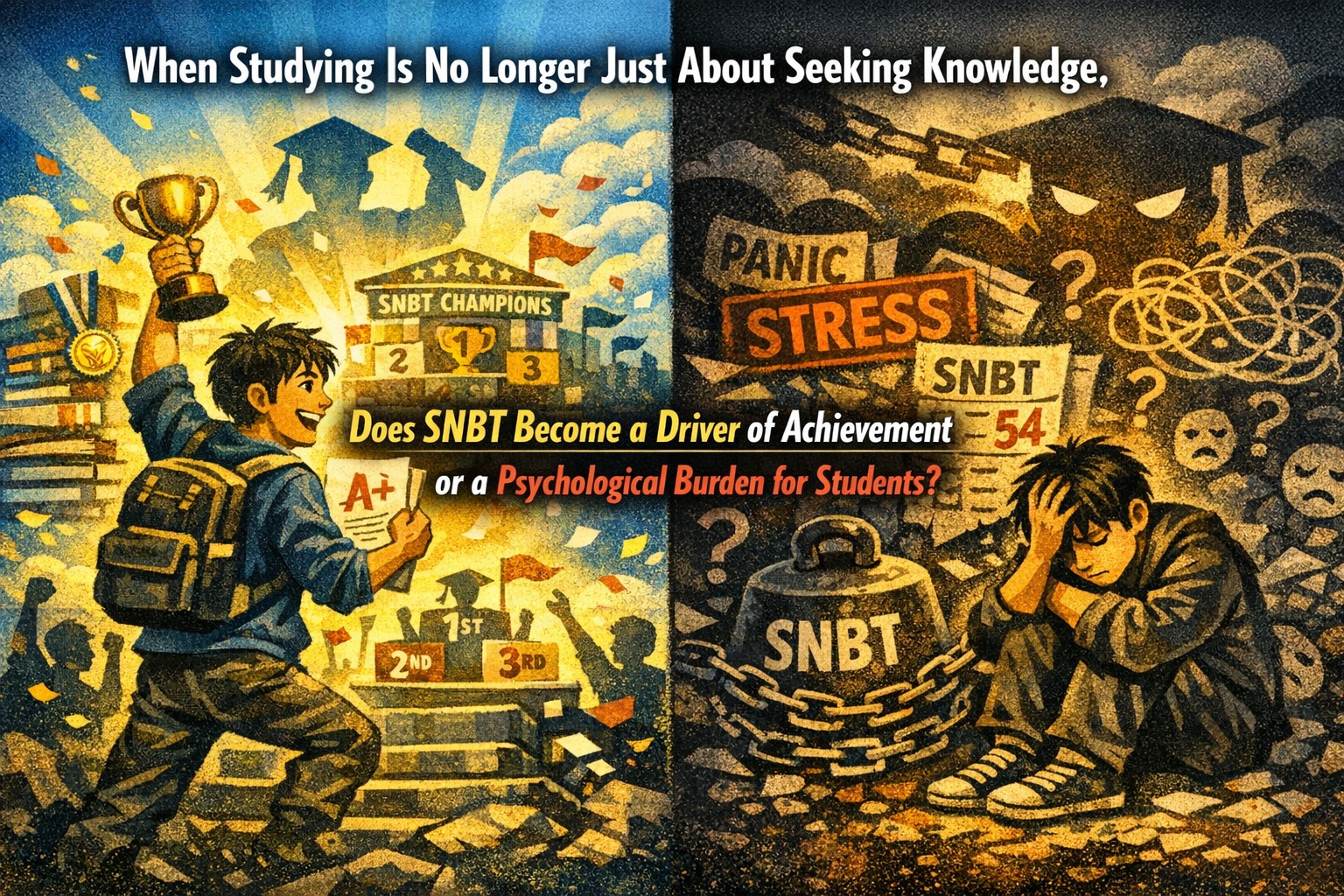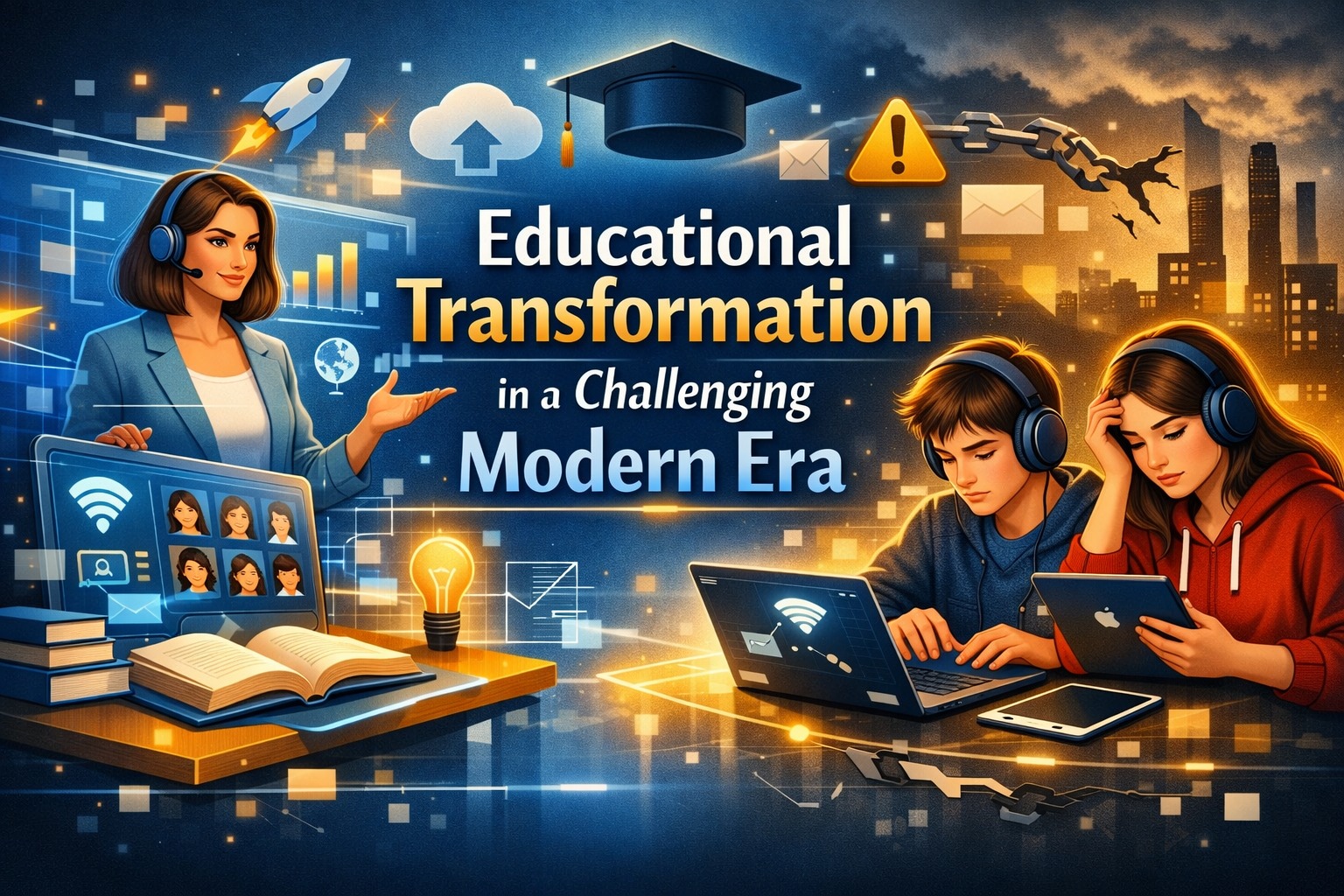
Technology has become an essential part of modern education. The rapid development of digital tools, internet access, artificial intelligence, and online learning platforms has transformed the way students learn and teachers deliver lessons. Today, education is no longer limited to classrooms and printed textbooks, as technology provides broader access to knowledge and innovative learning experiences.
The impact of technology on the quality of education is significant. It offers many opportunities to improve learning effectiveness, student engagement, and educational accessibility. However, technological advancement also creates challenges that educators, students, and governments must address carefully to ensure that education remains balanced and meaningful.
THE EVOLUTION OF EDUCATION THROUGH TECHNOLOGY
The integration of technology into education has changed traditional learning methods dramatically. Students can now access digital libraries, educational videos, online courses, and interactive learning applications from anywhere in the world.
Teachers also benefit from technology by using multimedia presentations, virtual classrooms, and digital assessment systems to improve the learning process. Learning has become more flexible and personalized, allowing students to study according to their own pace and learning style.
This transformation has increased educational accessibility and encouraged more innovative teaching strategies.
POSITIVE IMPACTS OF TECHNOLOGY ON EDUCATION
Technology provides many positive effects on educational quality. One of the most important advantages is easier access to information and learning resources. Students can quickly find educational materials through the internet and online platforms.
Interactive digital tools such as simulations, educational games, and virtual laboratories also help students understand complex concepts more effectively. These technologies make learning more engaging and enjoyable.
Technology also supports communication and collaboration between students and teachers. Online discussion forums, video conferences, and collaborative projects encourage teamwork and active participation.
In addition, digital learning systems can improve educational efficiency by simplifying assignments, assessments, and classroom management.
CHALLENGES CAUSED BY TECHNOLOGY IN EDUCATION
Despite its benefits, technology also creates several challenges in education. One major issue is unequal access to digital devices and internet connectivity. Students from disadvantaged backgrounds may struggle to participate fully in digital learning environments.
Another challenge is digital distraction. Social media, online games, and entertainment platforms can reduce students’ focus and concentration during learning activities.
Excessive screen time may also affect students’ physical and mental health. Lack of direct social interaction can impact communication skills and emotional development.
Teachers may also face difficulties adapting to rapidly changing educational technologies and digital teaching methods.
THE IMPORTANCE OF DIGITAL LITERACY
Digital literacy has become a critical skill in today’s educational environment. Students must learn how to use technology responsibly, identify reliable information, and avoid misinformation.
Teachers also need strong digital literacy skills to effectively integrate technology into the classroom and guide students in using digital tools productively.
Schools should include digital literacy education in their curriculum to prepare students for future technological challenges and opportunities.
THE ROLE OF TEACHERS IN TECHNOLOGY-BASED LEARNING
Although technology plays an important role in education, teachers remain essential in the learning process. Technology cannot fully replace the guidance, motivation, and emotional support provided by educators.
Modern teachers must adapt to technological changes by improving their digital skills and using innovative teaching methods. They should encourage creativity, critical thinking, collaboration, and problem-solving abilities among students.
Continuous teacher training is necessary to maintain the quality of education in the digital era.
CHARACTER EDUCATION IN THE DIGITAL AGE
As technology becomes more influential, character education remains equally important. Students need strong moral values such as honesty, discipline, empathy, and responsibility when using digital technology.
The influence of social media and online culture can negatively affect students if they are not guided properly. Therefore, schools and families must work together to strengthen students’ character development.
Combining technological skills with positive character values can help students become responsible and ethical individuals.
STRATEGIES TO IMPROVE EDUCATIONAL QUALITY
Several strategies can help maximize the positive impact of technology on education. Governments should improve digital infrastructure and provide equal access to internet services and educational technology.
Schools should adopt innovative learning systems that combine digital tools with interactive teaching approaches. Teacher training programs should also be strengthened to improve technological competence.
In addition, parents and communities should support students by encouraging balanced technology use and healthy learning habits.
THE FUTURE OF EDUCATION AND TECHNOLOGY
The future of education will continue to evolve with technological innovation. Artificial intelligence, virtual reality, and personalized learning systems are expected to become more common in schools and universities.
However, education should continue to focus on human development, creativity, communication skills, and emotional intelligence. Technology should support learning rather than replace meaningful human interaction.
A balanced approach between technology and character education will create a stronger and more sustainable education system for future generations.
CONCLUSION
Technology has greatly influenced the quality of education today by improving accessibility, flexibility, and learning innovation. Digital tools and online learning systems have created many opportunities for students and educators worldwide.
However, challenges such as digital inequality, distractions, and technological adaptation must be addressed carefully. By strengthening digital literacy, supporting teachers, and promoting character education, technology can become a powerful tool for improving educational quality and preparing students for the future.
About the Author
Gusti Ayu Tita
Author — STEKOM University
An active author focused on academic issues, educational technology, and human resource development in the campus environment.