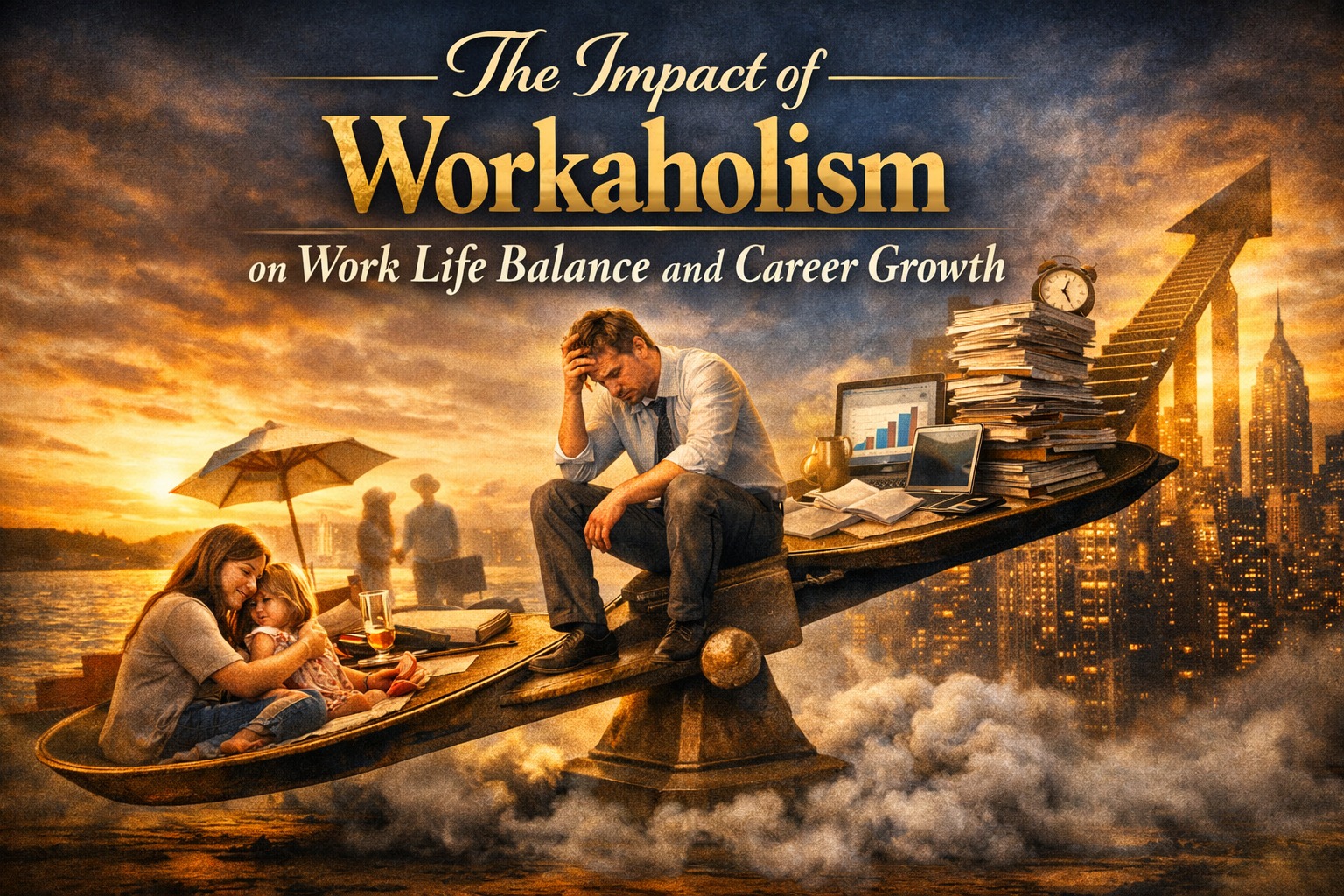
In today’s fast-paced professional environment, many people believe that working longer hours is the key to achieving success. While dedication and commitment are important, excessive work habits can lead to a condition known as workaholism. This behavior often causes individuals to prioritize work above personal well-being, relationships, and leisure activities. As a result, work life balance becomes increasingly difficult to maintain. Understanding the effects of workaholism is essential for both personal happiness and long-term professional success.
UNDERSTANDING WORKAHOLISM IN THE MODERN WORKPLACE
Workaholism refers to an uncontrollable need to work constantly, even when it is not necessary. Unlike healthy dedication, workaholics often feel guilty when they are not working and may struggle to disconnect from job-related responsibilities. This behavior is becoming more common due to remote work, digital communication, and highly competitive industries.
Many professionals believe that working longer hours automatically leads to better performance. However, excessive work can create physical and mental exhaustion over time. Instead of increasing productivity, chronic overworking often reduces concentration, creativity, and overall job satisfaction. Recognizing the difference between commitment and workaholism is the first step toward achieving a healthier career.
EFFECTS OF WORKAHOLISM ON WORK LIFE BALANCE
One of the most significant consequences of workaholism is the disruption of work life balance. Individuals who spend most of their time working often have less time for family, friends, hobbies, and self-care activities. This imbalance can create feelings of isolation and reduce overall quality of life.
Over time, neglected personal relationships may suffer due to a lack of attention and emotional connection. Family members and loved ones may feel ignored, leading to tension and misunderstandings. Maintaining a healthy balance between professional responsibilities and personal life is essential for long-term happiness and emotional well-being.
THE IMPACT OF WORKAHOLISM ON MENTAL AND PHYSICAL HEALTH
Excessive work habits can have serious effects on both mental and physical health. Continuous pressure to perform at a high level often increases stress, anxiety, and emotional exhaustion. Many workaholics experience difficulty relaxing, even during vacations or days off.
From a physical perspective, long working hours can contribute to sleep problems, fatigue, headaches, and weakened immune function. Lack of exercise and poor eating habits may further increase health risks. Protecting personal health should be a priority because sustainable career growth depends on maintaining both physical and mental well-being.
HOW WORKAHOLISM AFFECTS CAREER GROWTH
Many people assume that working constantly will accelerate career growth, but the reality is often more complex. While short-term achievements may occur, long-term overworking can reduce productivity and lead to burnout. Burnout often causes employees to lose motivation, make more mistakes, and struggle with job performance.
In addition, career advancement often requires creativity, collaboration, and strategic thinking. These skills can decline when individuals are mentally exhausted. Professionals who maintain a healthy work life balance are often better equipped to make sound decisions, adapt to challenges, and sustain long-term success in their careers.
STRATEGIES TO PREVENT WORKAHOLISM
Preventing workaholism requires conscious effort and healthy boundaries. One effective strategy is setting clear working hours and avoiding work-related activities outside those periods whenever possible. Taking regular breaks throughout the day can also improve focus and productivity.
Another important step is prioritizing personal time and self-care. Engaging in hobbies, spending time with family, and participating in physical activities can help reduce stress levels. Organizations can also support employees by promoting flexible schedules, encouraging vacations, and creating a workplace culture that values well-being alongside performance.
BUILDING A HEALTHY APPROACH TO PROFESSIONAL SUCCESS
Achieving professional success does not require sacrificing personal happiness. A healthy career is built on sustainable habits, effective time management, and realistic goals. Employees who understand the importance of balance are more likely to enjoy both professional achievements and personal fulfillment.
Developing a balanced mindset allows individuals to remain productive without becoming overwhelmed by work demands. By focusing on quality rather than quantity of work, professionals can maintain strong performance while protecting their health and relationships. This balanced approach creates a solid foundation for lasting career growth and overall life satisfaction.
CONCLUSION
Workaholism is a growing challenge in modern workplaces that can negatively affect work life balance, health, relationships, and long-term career growth. Although hard work is important, excessive dedication can lead to burnout and reduced effectiveness over time. Maintaining healthy boundaries, prioritizing well-being, and managing work responsibilities wisely are essential for sustainable success. By achieving a balanced lifestyle, individuals can enjoy greater productivity, stronger relationships, and a more rewarding professional journey.
About the Author
Gusti Ayu Tita P
Author — STEKOM University
An active author focused on academic issues, educational technology, and human resource development in the campus environment.