
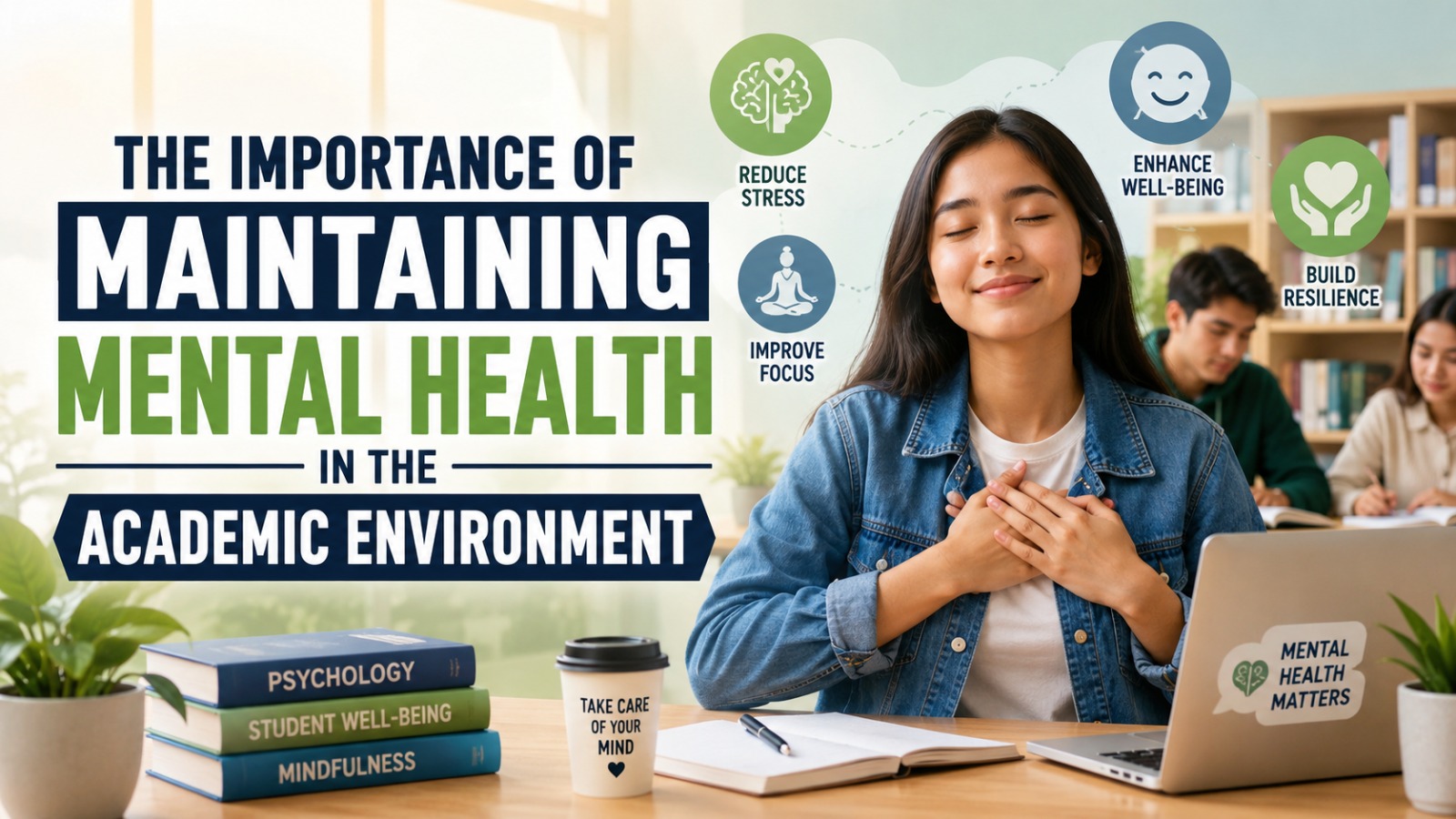
Mental health has become one of the most important topics in modern education. Students, teachers, and academic staff face increasing pressure from assignments, deadlines, examinations, and competition. In many cases, these challenges can affect emotional stability, concentration, and overall well-being. Maintaining mental health in the academic environment is essential because it supports productivity, improves learning outcomes, and creates a healthier educational atmosphere.
Academic success is not only determined by intelligence or technical skills. Emotional balance and psychological well-being also play a significant role in helping individuals achieve their goals. When mental health is ignored, students may experience stress, anxiety, burnout, or even depression. Therefore, educational institutions and individuals must work together to promote a positive and supportive environment.
UNDERSTANDING MENTAL HEALTH IN EDUCATION
Mental health refers to a person’s emotional, psychological, and social well-being. In the academic world, mental health influences how students think, learn, communicate, and manage stress. A healthy mental condition allows students to stay motivated, solve problems effectively, and maintain positive relationships with others.
On the other hand, poor mental health can reduce academic performance. Students who experience emotional distress often struggle to focus during lessons, complete assignments, or participate in classroom discussions. This condition may also affect physical health, sleep quality, and self-confidence.
Educational institutions should recognize that mental health is as important as physical health. Schools and universities that prioritize student well-being often create more productive and supportive learning environments.
COMMON CAUSES OF MENTAL HEALTH PROBLEMS IN ACADEMICS
There are several factors that can trigger mental health issues in the academic environment. One of the most common causes is academic pressure. Students are often expected to achieve high grades, complete numerous assignments, and meet strict deadlines. Excessive pressure can lead to chronic stress and emotional exhaustion.
Another factor is social competition. Many students compare themselves with their peers, especially in highly competitive institutions. Social media can also worsen feelings of insecurity and anxiety because students frequently compare achievements and lifestyles online.
Financial problems may also contribute to emotional stress. Tuition fees, living expenses, and educational costs can become heavy burdens for students and their families. In addition, lack of social support, homesickness, and fear of failure can negatively affect mental health.
THE IMPACT OF GOOD MENTAL HEALTH ON ACADEMIC PERFORMANCE
Maintaining good mental health provides many benefits for students and educators. Students with stable emotional conditions usually have better concentration and stronger motivation to learn. They are more capable of managing time effectively and solving academic challenges calmly.
Good mental health also improves communication and teamwork. Students who feel emotionally secure are more confident when expressing ideas, participating in discussions, and collaborating on group projects. Positive mental well-being encourages creativity, critical thinking, and problem-solving abilities.
Furthermore, mentally healthy students tend to develop healthier lifestyles. They are more likely to maintain proper sleep patterns, balanced nutrition, and regular physical activity. These habits contribute to better academic performance and overall quality of life.
STRATEGIES TO MAINTAIN MENTAL HEALTH IN THE ACADEMIC ENVIRONMENT
There are several practical ways to maintain mental health in educational settings. One effective strategy is time management. Creating a realistic study schedule helps students avoid excessive stress and last-minute pressure.
Building supportive relationships is equally important. Friends, teachers, and family members can provide emotional encouragement during difficult times. Open communication helps individuals feel understood and less isolated.
Another essential step is maintaining a healthy lifestyle. Regular exercise, sufficient sleep, and balanced nutrition can improve mood and reduce stress levels. Students should also take short breaks during study sessions to refresh their minds.
Practicing mindfulness and relaxation techniques can also help maintain emotional balance. Activities such as meditation, journaling, and deep breathing exercises are useful for reducing anxiety and improving concentration.
Educational institutions should provide counseling services and mental health programs to support students. Workshops, seminars, and peer support communities can help raise awareness about mental well-being and encourage students to seek help when needed.
THE ROLE OF TEACHERS AND EDUCATIONAL INSTITUTIONS
Teachers and academic institutions have a major responsibility in promoting mental health awareness. Educators should create inclusive classrooms where students feel safe, respected, and valued. Positive interactions between teachers and students can reduce stress and increase academic confidence.
Schools and universities can also develop policies that support mental well-being. Flexible learning approaches, mental health counseling, and anti-bullying programs are examples of effective initiatives. When institutions prioritize mental health, students are more likely to achieve academic success and personal growth.
In addition, academic institutions should encourage a balanced approach to education. Success should not only be measured by grades but also by emotional resilience, creativity, and personal development.
CONCLUSION
Maintaining mental health in the academic environment is essential for achieving both educational success and personal well-being. Mental health affects concentration, motivation, communication, and overall quality of life. Academic pressure, social competition, and financial challenges can negatively impact emotional stability if not managed properly.
By practicing healthy habits, building supportive relationships, and creating positive educational environments, students can maintain emotional balance and improve academic performance. Educational institutions also play a crucial role in supporting mental health through counseling services, awareness programs, and inclusive policies.
A healthy mind creates a stronger foundation for learning, personal growth, and future success. Therefore, mental health should always be considered a priority in every academic environment.
About the Author
Gusti Ayu Tita
Author — STEKOM University
An active author focused on academic issues, educational technology, and human resource development in the campus environment.



