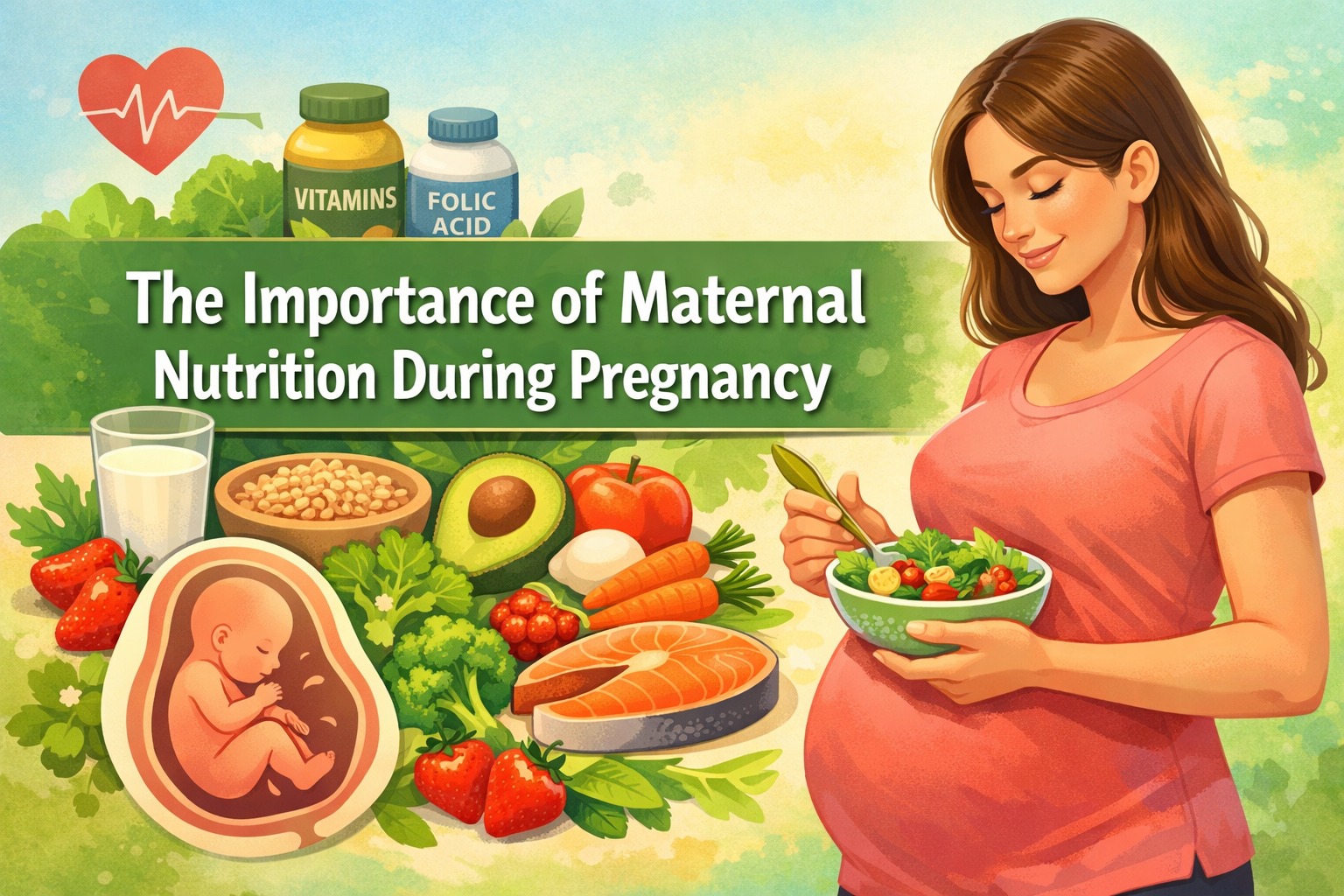
Pregnancy is one of the most important stages in a woman’s life. During this period, a mother’s body requires additional nutrients to support the growth and development of the baby. Proper maternal nutrition not only helps maintain the mother’s health but also reduces the risk of complications during pregnancy and childbirth. A balanced and nutritious diet plays a vital role in ensuring that both mother and baby remain healthy throughout the pregnancy journey.
WHY MATERNAL NUTRITION MATTERS
Maternal nutrition is essential because the developing fetus depends entirely on the mother for nutrients. The food consumed by pregnant women provides energy, vitamins, minerals, and proteins that support the baby’s organs, brain, bones, and immune system. Poor nutrition during pregnancy may lead to low birth weight, premature birth, and developmental problems.
Adequate nutrition also helps mothers maintain stamina and strengthens their immune systems. Pregnant women who eat healthy foods are generally less likely to experience severe fatigue, anemia, or infections during pregnancy.
ESSENTIAL NUTRIENTS FOR PREGNANT WOMEN
Several important nutrients are needed during pregnancy to support healthy fetal growth and maternal well-being.
FOLIC ACID
Folic acid is crucial during early pregnancy because it helps prevent neural tube defects in babies. Foods rich in folic acid include spinach, broccoli, oranges, and fortified cereals.
IRON
Iron helps produce hemoglobin, which carries oxygen throughout the body. Pregnant women need more iron to support increased blood volume. Iron-rich foods include red meat, beans, tofu, and leafy green vegetables.
CALCIUM
Calcium supports the development of strong bones and teeth in babies. Milk, yogurt, cheese, and green vegetables are excellent sources of calcium.
PROTEIN
Protein is important for the growth of fetal tissues and organs. Eggs, fish, chicken, nuts, and dairy products are healthy protein choices during pregnancy.
OMEGA-3 FATTY ACIDS
Omega-3 fatty acids contribute to brain and eye development in babies. Fish such as salmon and sardines are good sources of omega-3.
IMPACT OF POOR MATERNAL NUTRITION
Poor nutrition during pregnancy can negatively affect both mother and child. Mothers who do not consume enough nutrients may experience anemia, weakness, or pregnancy complications. Meanwhile, babies may face growth restrictions, low immunity, and a higher risk of chronic diseases later in life.
Malnutrition during pregnancy can also increase the likelihood of stunting in children. Stunting affects physical growth, cognitive development, and overall health, making proper maternal nutrition extremely important from the earliest stages of life.
TIPS FOR MAINTAINING HEALTHY NUTRITION DURING PREGNANCY
Pregnant women can improve their nutrition by following several healthy habits:
- Eat balanced meals containing carbohydrates, proteins, healthy fats, vitamins, and minerals.
- Consume more fruits and vegetables daily.
- Drink enough water to stay hydrated.
- Avoid excessive fast food, sugary snacks, and processed foods.
- Take prenatal vitamins as recommended by healthcare professionals.
- Maintain regular prenatal checkups to monitor maternal and fetal health.
THE ROLE OF FAMILY SUPPORT
Family support greatly influences the health of pregnant women. Emotional encouragement and assistance in preparing nutritious meals can help mothers maintain healthy eating habits. Husbands and family members should actively support pregnant women by promoting a healthy lifestyle and reducing stress during pregnancy.
CONCLUSION
Maternal nutrition during pregnancy is a key factor in ensuring the health and well-being of both mother and baby. A balanced diet rich in essential nutrients supports fetal growth, prevents complications, and helps create a healthier future generation. By prioritizing proper nutrition and healthy habits during pregnancy, mothers can provide the best possible start for their children’s lives.
About the Author
Gusti Ayu Tita
Author — STEKOM University
An active author focused on academic issues, educational technology, and human resource development in the campus environment.