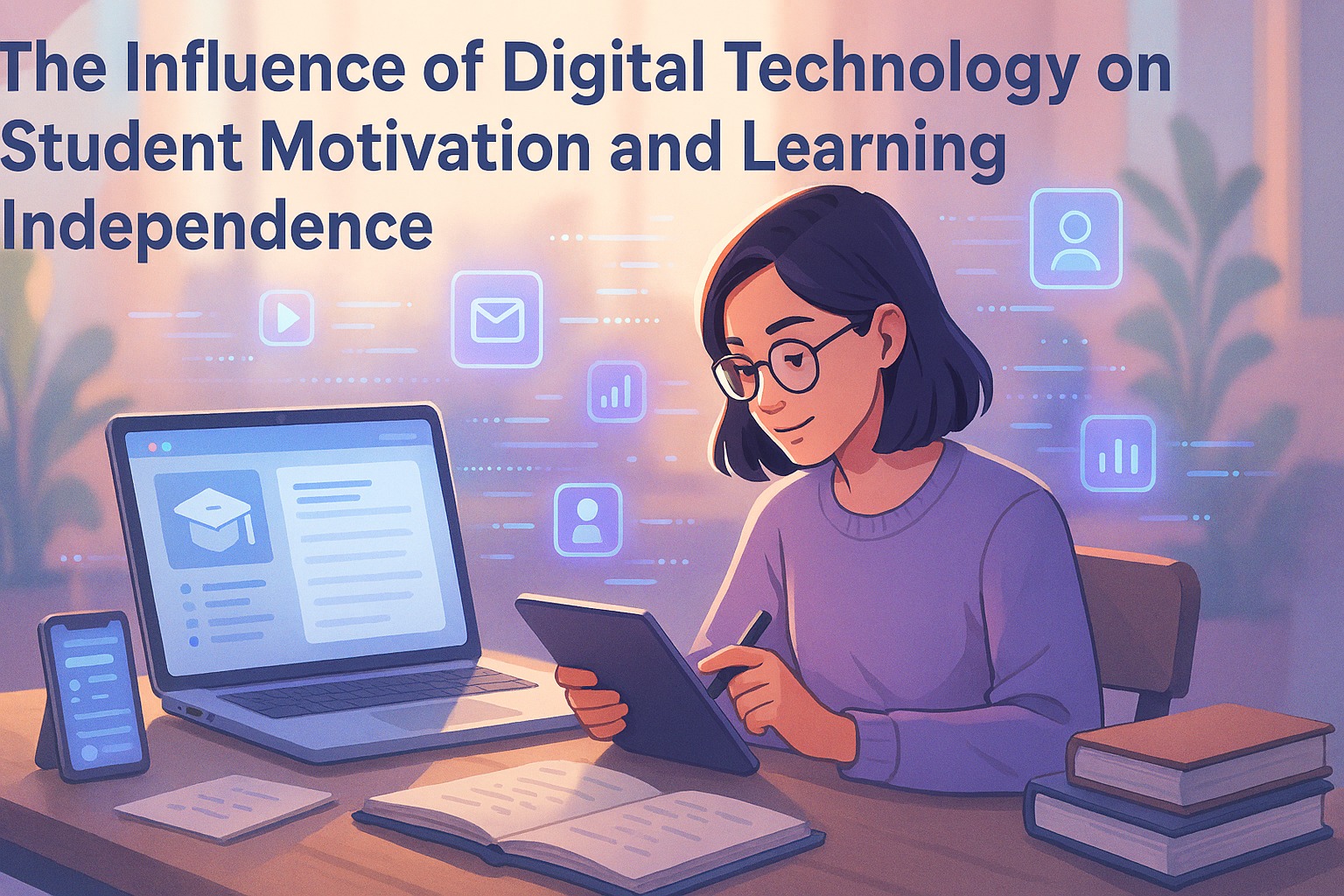
Digital technology has transformed the way students approach learning, creating new opportunities for engagement and understanding. Traditional classrooms, once limited to textbooks and lectures, now integrate multimedia, virtual simulations, and interactive platforms to make learning more dynamic. This shift has significantly influenced student motivation by making educational experiences more relevant and immersive.
Students today are increasingly drawn to digital tools such as educational apps, online courses, and collaborative platforms. These resources allow learners to engage actively with content, rather than passively absorbing information. The ability to explore subjects through videos, quizzes, and gamified experiences enhances curiosity and encourages continuous learning.
Additionally, digital technology supports diverse learning styles. Visual, auditory, and kinesthetic learners can access materials in formats that suit them best, ensuring a more personalized learning experience. This inclusivity helps maintain motivation among students who might struggle in traditional teaching methods.
Overall, the integration of digital technology in education provides a foundation for a more engaging and interactive learning environment. It encourages students to take ownership of their education, which is essential for cultivating learning independence.
ENHANCING STUDENT MOTIVATION THROUGH TECHNOLOGICAL TOOLS
Motivation is a critical factor in academic success, and digital technology has become a powerful tool to stimulate it. Educational software and apps often incorporate elements of gamification, such as points, badges, and leaderboards, which incentivize students to participate actively. This approach transforms learning into a rewarding experience, making students more willing to invest time and effort.
Furthermore, online learning platforms allow students to set their own learning pace and track progress. Real-time feedback and progress reports provide immediate reinforcement, helping students recognize achievements and stay motivated. This self-monitoring promotes a sense of control over learning outcomes, which is essential for intrinsic motivation.
Digital communication tools also facilitate collaboration, even in remote learning environments. Discussion forums, group projects, and virtual study sessions encourage peer interaction, fostering a sense of community. Students are more motivated when they feel connected to peers and can share knowledge and insights.
Finally, access to a wealth of information online allows students to pursue personal interests and explore topics beyond the curriculum. This autonomy in learning nurtures curiosity, deepens understanding, and enhances overall academic motivation.
FOSTERING LEARNING INDEPENDENCE THROUGH DIGITAL RESOURCES
Learning independence refers to a student's ability to take initiative and responsibility for their own education. Digital technology plays a pivotal role in cultivating this skill by offering resources that support self-directed learning. Platforms like e-learning courses, virtual libraries, and online tutorials enable students to access knowledge anytime and anywhere.
Self-paced learning allows students to identify strengths and weaknesses in their understanding. By choosing what to study and when, learners develop critical thinking and decision-making skills. They learn to evaluate resources, set goals, and implement strategies for effective learning, fostering autonomy and resilience.
Moreover, digital tools such as note-taking apps, project management platforms, and interactive exercises encourage organization and personal responsibility. Students learn to manage time, prioritize tasks, and maintain focus independently. These skills are crucial not only in academic contexts but also in professional life.
Ultimately, the integration of digital resources empowers students to take ownership of their learning journey. It shifts the focus from teacher-directed instruction to student-centered exploration, nurturing independence and lifelong learning habits.
THE IMPACT OF INTERACTIVE LEARNING ON ACADEMIC PERFORMANCE
Interactive learning environments created by digital technology positively influence academic performance. Simulations, virtual labs, and multimedia presentations provide experiential learning opportunities that enhance comprehension and retention. By actively participating in experiments or problem-solving exercises, students internalize concepts more effectively than through passive learning methods.
Moreover, adaptive learning platforms personalize content based on individual performance. These tools identify knowledge gaps and adjust difficulty levels, ensuring that students are challenged appropriately without feeling overwhelmed. Personalized learning paths increase engagement and promote mastery of subjects.
The integration of digital technology also encourages creativity and innovation. Students can collaborate on projects using digital design tools, programming platforms, or multimedia software, transforming ideas into tangible outputs. This active engagement strengthens critical thinking and analytical skills.
As a result, students not only improve their academic results but also develop competencies necessary for modern workplaces. The combination of interactive technology and independent learning reinforces motivation and ensures deeper learning outcomes.
CHALLENGES AND STRATEGIES FOR EFFECTIVE TECHNOLOGY USE
While digital technology offers significant benefits, it also presents challenges that may affect motivation and learning independence. Overreliance on digital devices can lead to distraction and reduced focus. Students may struggle to balance screen time with traditional study methods or personal reflection.
To address these issues, educators must implement strategies that guide effective technology use. Structured learning plans, clear objectives, and digital etiquette help students navigate online resources responsibly. Encouraging mindfulness and self-regulation ensures that technology enhances rather than hinders learning.
Parental and institutional support is also crucial. Providing access to reliable devices, stable internet connections, and technical guidance reduces barriers to independent learning. Additionally, promoting a healthy balance between online and offline activities fosters holistic development.
By addressing these challenges proactively, educators and students can maximize the positive impact of digital technology. When used thoughtfully, technology strengthens motivation, encourages autonomy, and enhances the overall learning experience.
About the Author
Gusti Ayu Tita
Author — STEKOM University
An active author focused on academic issues, educational technology, and human resource development in the campus environment.