
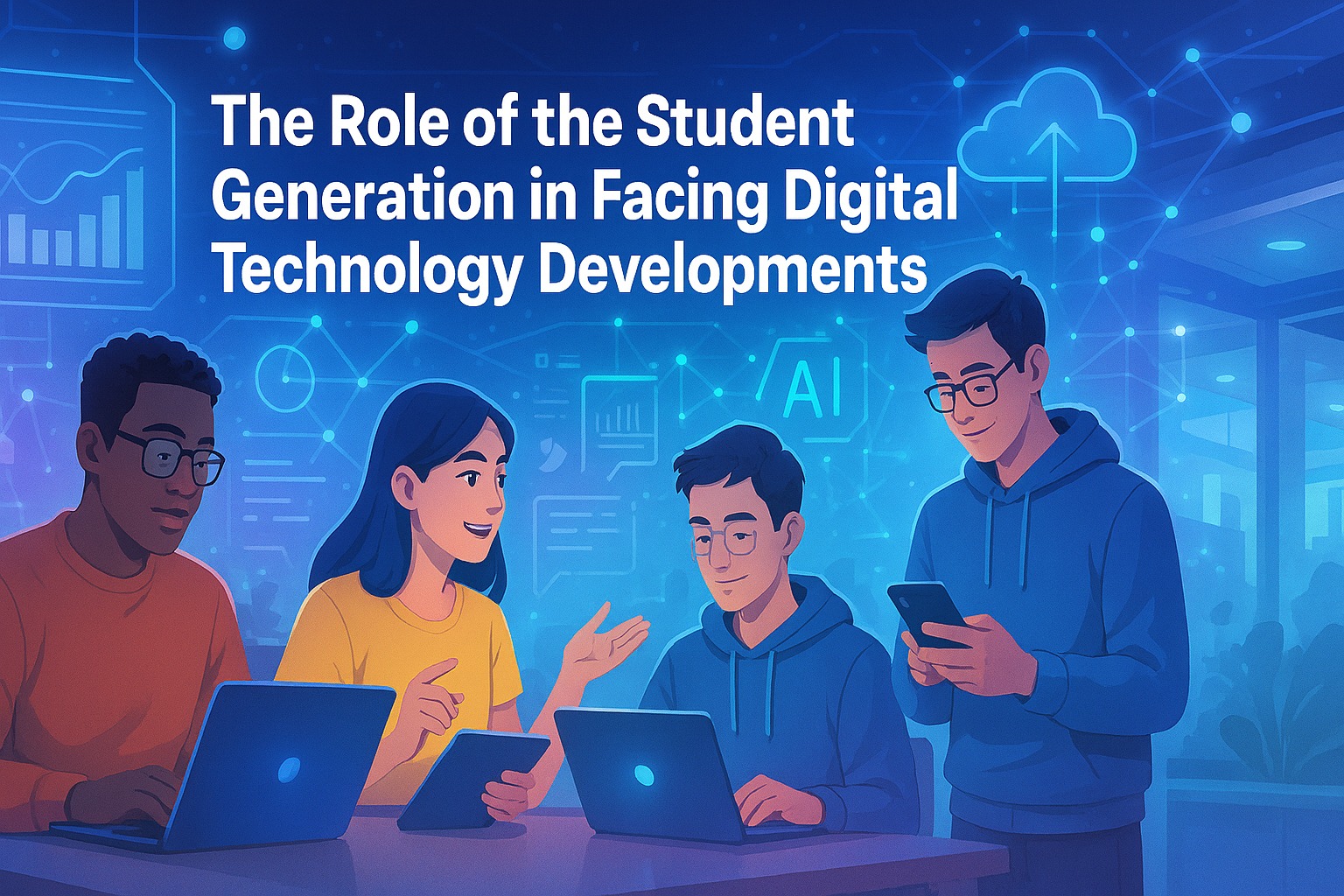
Digital technology has transformed many aspects of human life, from communication and education to business and entertainment. The rapid growth of the internet, artificial intelligence, and digital platforms has created a new environment where information moves faster than ever before. In this era, students are not only technology users but also important participants in shaping how technology is used in society.
The younger generation grows up surrounded by smartphones, social media, and online learning platforms. Because of this exposure, students often adapt more quickly to new technological tools compared to older generations. Their familiarity with digital systems enables them to explore new opportunities and create innovative solutions.
However, the presence of technology also brings challenges. The abundance of information online can lead to misinformation, distraction, and dependency on digital devices. Students must therefore learn to use technology wisely and responsibly so that it becomes a tool for growth rather than a barrier to productivity.
Understanding the role of students in the digital era is essential because they represent the future workforce and leaders of society. By developing strong digital awareness and critical thinking, students can contribute positively to technological development while avoiding its potential risks.
STUDENTS AS ACTIVE LEARNERS IN DIGITAL ENVIRONMENTS
One of the most significant roles of students in facing digital technology developments is becoming active learners in digital environments. Technology has expanded the ways students access knowledge, allowing them to learn beyond the classroom through online courses, digital libraries, and educational platforms.
Students who actively explore digital learning tools gain broader knowledge and skills. They can access international perspectives, collaborate with peers from different regions, and participate in global discussions. This learning flexibility allows students to build a more comprehensive understanding of various topics.
Moreover, digital technology encourages independent learning. Instead of relying solely on teachers or textbooks, students can search for information, watch educational videos, and join virtual discussions. This process helps them develop self-learning habits that are important in modern education.
By taking advantage of digital learning opportunities, students become more adaptive and knowledgeable. These qualities prepare them to face technological changes and future career demands that require continuous learning and skill development.
THE IMPORTANCE OF DIGITAL LITERACY FOR STUDENTS
Digital literacy has become a crucial skill for students in the modern era. It refers to the ability to access, analyze, evaluate, and create information using digital technologies. Without strong digital literacy, students may struggle to distinguish between reliable and misleading information.
Students who develop digital literacy skills are better equipped to navigate the vast amount of content available on the internet. They learn how to verify sources, identify credible information, and use technology responsibly. These skills are essential in preventing the spread of misinformation.
Digital literacy also supports academic and professional growth. Students who understand digital tools can conduct research more effectively, present ideas through multimedia platforms, and collaborate with others online. This capability increases their productivity and creativity.
In addition, digital literacy encourages ethical behavior in online spaces. Students learn the importance of respecting intellectual property, protecting personal data, and communicating respectfully on digital platforms. These values help create a healthier and more responsible digital community.
STUDENTS AS INNOVATORS IN THE DIGITAL AGE
In the era of technological advancement, students are not only consumers of technology but also potential innovators. Their creativity and curiosity allow them to develop new ideas, applications, and digital solutions that address real-world problems.
Many successful technological innovations begin with simple ideas developed by young people. Students who experiment with coding, digital design, and multimedia production can create applications, educational content, or digital campaigns that benefit society.
Innovation among students also emerges through collaboration. Working together in teams allows them to combine different skills and perspectives, leading to more creative solutions. Technology enables this collaboration through online platforms that connect students across schools and countries.
Encouraging innovation among students is important for national development. When students are supported in exploring technology creatively, they can contribute to the growth of digital industries and create opportunities that benefit both themselves and their communities.
CHALLENGES FACED BY STUDENTS IN THE DIGITAL ERA
Despite the many benefits of digital technology, students also face various challenges in adapting to rapid technological changes. One common challenge is information overload, where students encounter an overwhelming amount of content online.
Another challenge is the potential for digital distraction. Social media, online games, and entertainment platforms can reduce students’ focus on academic responsibilities if not managed properly. Maintaining a balance between learning and entertainment becomes an important skill.
Cybersecurity and online safety also present concerns for students. Without proper awareness, students may become vulnerable to cyberbullying, privacy violations, or online scams. Education about digital safety is therefore essential in helping students navigate online spaces securely.
Furthermore, unequal access to technology remains a problem in some regions. Not all students have the same opportunities to access reliable internet connections or digital devices. Addressing this gap is important to ensure that all students can benefit from digital learning opportunities.
BUILDING A RESPONSIBLE DIGITAL GENERATION
To face the rapid development of digital technology, students must develop responsibility in using digital tools. Responsible technology use includes managing screen time, protecting personal information, and communicating respectfully online.
Educational institutions play an important role in guiding students toward responsible digital behavior. Schools and universities can provide training on digital ethics, cybersecurity awareness, and effective use of technology for learning and innovation.
Parents and communities also contribute to shaping responsible digital habits. Supportive environments encourage students to explore technology in positive ways, such as learning new skills, creating digital projects, or participating in online educational communities.
By building a responsible digital generation, society can maximize the benefits of technological progress. Students who understand both the opportunities and risks of digital technology will be better prepared to lead and innovate in the future.
CONCLUSION THE FUTURE ROLE OF STUDENTS IN TECHNOLOGY DEVELOPMENT
The development of digital technology will continue to influence every aspect of life, making the role of students increasingly important. As members of the younger generation, students have the potential to shape how technology evolves and impacts society.
Through active learning, strong digital literacy, and creative innovation, students can become key contributors to technological progress. Their ability to adapt quickly to new tools and platforms allows them to explore opportunities that were not available in previous generations.
At the same time, students must remain aware of the challenges associated with digital technology. Responsible use, critical thinking, and ethical behavior are essential qualities that help students navigate the digital world safely and effectively.
Ultimately, the student generation represents a powerful force in the digital era. By embracing technology with knowledge, responsibility, and creativity, students can play a vital role in building a more innovative and connected future.
About the Author
Gusti Ayu Tita
Author — STEKOM University
An active author focused on academic issues, educational technology, and human resource development in the campus environment.



