
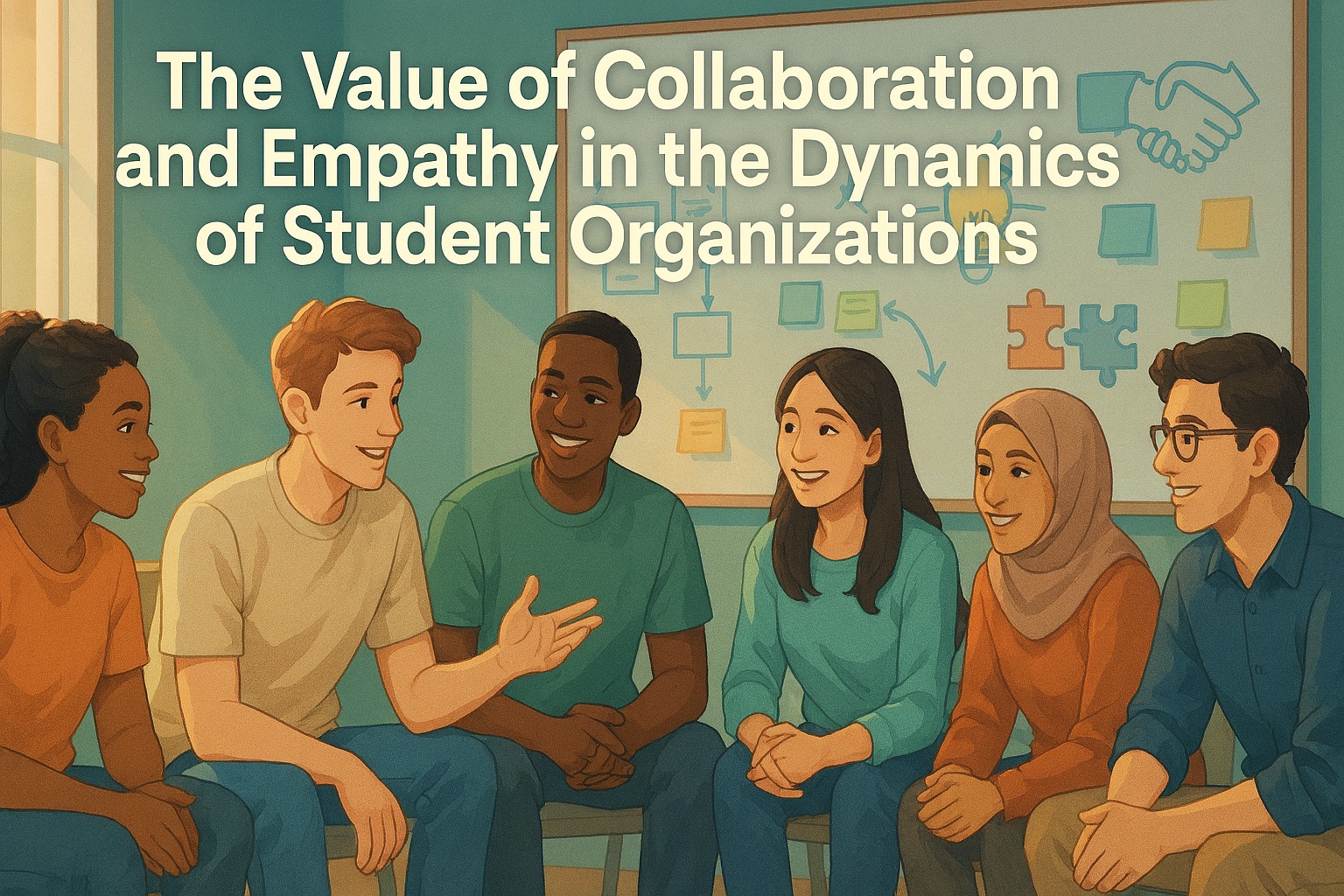
Student organizations play a pivotal role in shaping the personal and professional growth of students. Beyond academic learning, these groups provide a platform for students to develop critical soft skills such as communication, leadership, and problem-solving. Within these communities, collaboration and empathy emerge as central pillars that influence the overall effectiveness of organizational operations. Understanding these dynamics allows students to navigate challenges while cultivating meaningful relationships.
Participation in student organizations often exposes members to diverse perspectives. This diversity fosters opportunities to practice empathy, as students learn to appreciate viewpoints different from their own. The ability to empathize strengthens interpersonal bonds and creates a supportive environment where members feel valued and understood. In turn, such an environment encourages active participation and engagement, enhancing the collective experience.
Collaboration within student organizations is equally significant. When members work together toward shared goals, they learn to negotiate, delegate, and coordinate tasks efficiently. Collaboration not only accelerates the completion of projects but also teaches accountability and trust. By merging empathy with collaboration, student organizations cultivate a culture of mutual respect and shared responsibility.
Furthermore, these experiences mirror real-world professional settings. Students who have honed their collaborative and empathetic skills within organizations are better prepared for team-based work environments. The lessons learned extend beyond the campus, equipping them with practical tools for leadership, conflict resolution, and innovation.
BUILDING STRONGER INTERPERSONAL CONNECTIONS
Empathy serves as the cornerstone of meaningful interpersonal connections within student organizations. By acknowledging and understanding the emotions and perspectives of fellow members, students can foster trust and camaraderie. These relationships not only improve communication but also reduce misunderstandings and conflicts, enabling a smoother organizational workflow.
Regular interactions in group projects or events help members recognize individual strengths and weaknesses. This awareness allows for better delegation of responsibilities, ensuring that each member’s skills are utilized effectively. Empathetic leaders, in particular, can identify when a member needs support or encouragement, promoting a sense of inclusion and belonging.
Moreover, empathetic interactions nurture a positive organizational culture. Students who feel heard and understood are more likely to contribute ideas, take initiative, and remain committed to the organization’s goals. This sense of psychological safety is essential for fostering innovation and creative problem-solving.
Lastly, strong interpersonal connections encourage peer mentoring and learning. Older or more experienced members can guide newcomers, sharing knowledge and providing emotional support. This cyclical exchange enhances personal growth and strengthens the organization as a whole.
ENHANCING TEAMWORK THROUGH COLLABORATION
Collaboration in student organizations is not merely about dividing tasks; it is about creating synergy. When members pool their skills and knowledge, they can achieve results far greater than individual efforts. Effective collaboration requires clear communication, mutual respect, and a willingness to compromise when necessary.
Teamwork also teaches adaptability. Students often face unexpected challenges in projects or events, and successful collaboration requires flexibility and problem-solving skills. By working together, members learn to negotiate solutions that accommodate varying perspectives and constraints.
Collaboration enhances accountability within the team. When responsibilities are shared, each member recognizes their role in achieving the collective objective. This sense of responsibility motivates members to maintain high performance standards and contribute consistently to group efforts.
Moreover, collaborative experiences in student organizations help build a foundation for leadership development. Leading a team requires understanding both individual and group dynamics, delegating effectively, and balancing authority with empathy. These lessons are invaluable for future career and life endeavors.
THE ROLE OF LEADERSHIP IN FOSTERING EMPATHY
Leaders within student organizations play a crucial role in setting the tone for empathy and collaboration. Effective leaders model compassionate behavior, actively listen to members’ concerns, and encourage open dialogue. This approach cultivates a supportive atmosphere where members feel empowered to share ideas and address challenges.
Leadership also involves recognizing individual contributions. By acknowledging members’ efforts and providing constructive feedback, leaders reinforce a culture of appreciation and respect. Such recognition boosts morale and motivates members to maintain engagement and commitment.
Furthermore, empathetic leadership helps prevent conflicts and resolve them when they arise. By understanding the underlying emotions and motivations behind disagreements, leaders can mediate disputes and guide the team toward harmonious solutions.
Empathy-driven leadership is particularly important in multicultural or diverse student organizations. Sensitivity to cultural, social, and personal differences ensures that all members feel respected and included. This inclusive approach strengthens organizational cohesion and promotes mutual learning.
NAVIGATING CHALLENGES WITH COLLABORATIVE SOLUTIONS
Student organizations often encounter challenges, ranging from limited resources to time management and interpersonal conflicts. Collaborative problem-solving allows members to address these issues collectively, leveraging their combined skills and experiences.
By approaching problems collaboratively, members learn to analyze situations from multiple angles. Brainstorming sessions, group discussions, and collective decision-making create solutions that are both innovative and practical. Members also develop critical thinking skills as they evaluate and refine proposed strategies.
Collaboration encourages accountability and shared ownership of solutions. When all members contribute to problem-solving, they are more invested in the outcomes, leading to higher commitment and motivation.
Additionally, navigating challenges collaboratively reinforces empathy. Members must understand each other’s constraints and perspectives to negotiate compromises, maintain harmony, and achieve consensus. This dynamic strengthens organizational bonds and prepares students for future team-based professional scenarios.
THE LONG-TERM IMPACT OF EMPATHY AND COLLABORATION
The skills developed through collaboration and empathy in student organizations extend far beyond campus life. Alumni who have experienced these dynamics often excel in professional settings where teamwork, communication, and emotional intelligence are valued.
Empathetic collaboration fosters adaptability and resilience. Individuals who have practiced understanding and compromise are better equipped to navigate workplace challenges, manage conflicts, and lead diverse teams effectively.
Moreover, these experiences contribute to personal growth. Students develop self-awareness, patience, and a sense of responsibility toward others. Such qualities enhance not only professional success but also the ability to build meaningful personal relationships.
Ultimately, student organizations serve as microcosms of society. The values of collaboration and empathy learned within these groups prepare students to contribute positively to communities, workplaces, and broader social environments.
About the Author
Gusti Ayu Tita
Author — STEKOM University
An active author focused on academic issues, educational technology, and human resource development in the campus environment.



