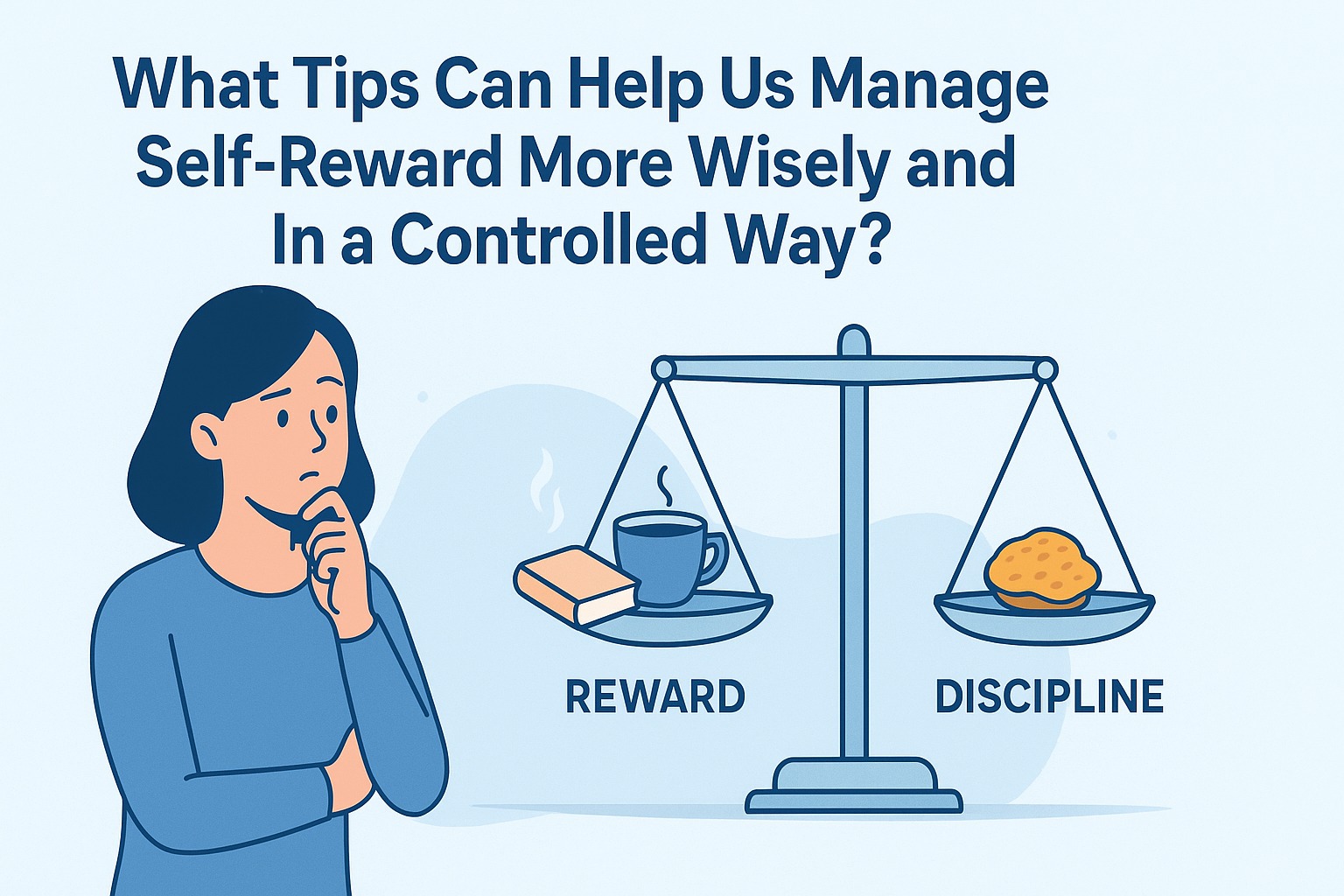
Self-reward has become a popular way to appreciate ourselves after working hard or getting through a tiring day. However, without clear boundaries, this habit can turn into excessive spending and disrupt long-term goals. So, how can self-reward remain enjoyable while still staying controlled?
UNDERSTANDING THE TRUE MEANING OF SELF-REWARD
Self-reward is not just about buying expensive items or engaging in luxurious activities. The core of this habit is giving appreciation to yourself for the effort you’ve made. By understanding its meaning, we can choose forms of reward that are not only instantly satisfying but also beneficial.
DETERMINING PRIORITIES BETWEEN NEEDS AND WANTS
An important step is distinguishing between needs and wants. Many people think impulsive shopping is a form of self-reward, when in reality it may just be stress relief. By knowing your priorities, you can choose rewards that align with your financial situation and life goals.
CREATING A SPECIAL BUDGET LIMIT
Self-reward can remain healthy if done within a clear budget limit. Setting aside a special fund—such as 5–10% of monthly income—can help control spending. This way, you can still enjoy rewarding yourself without disturbing your finances.
CHOOSING NON-MATERIAL REWARDS TO REDUCE OVERSPENDING
Not all rewards need to involve money or material goods. Simple activities like taking a break, watching a favorite movie, journaling, or visiting a quiet place can also serve as refreshing self-rewards. These options are safer from excessive spending.
EVALUATING THE BENEFITS FOR YOURSELF
The best way to stay controlled is by evaluating the rewards you choose. Do they make you more motivated? Do they provide long-term benefits? Through simple reflection, you can determine whether the reward is truly good or just a momentary impulse.
STAYING CONSISTENT WITH THE RULES YOU SET
Self-reward can become a healthy habit when done with discipline. By committing to your budget, reward criteria, and reasonable frequency, you can maintain balance between mental needs and financial stability.
About the Author
Gusti Ayu Tita
Author — STEKOM University
An active author focused on academic issues, educational technology, and human resource development in the campus environment.