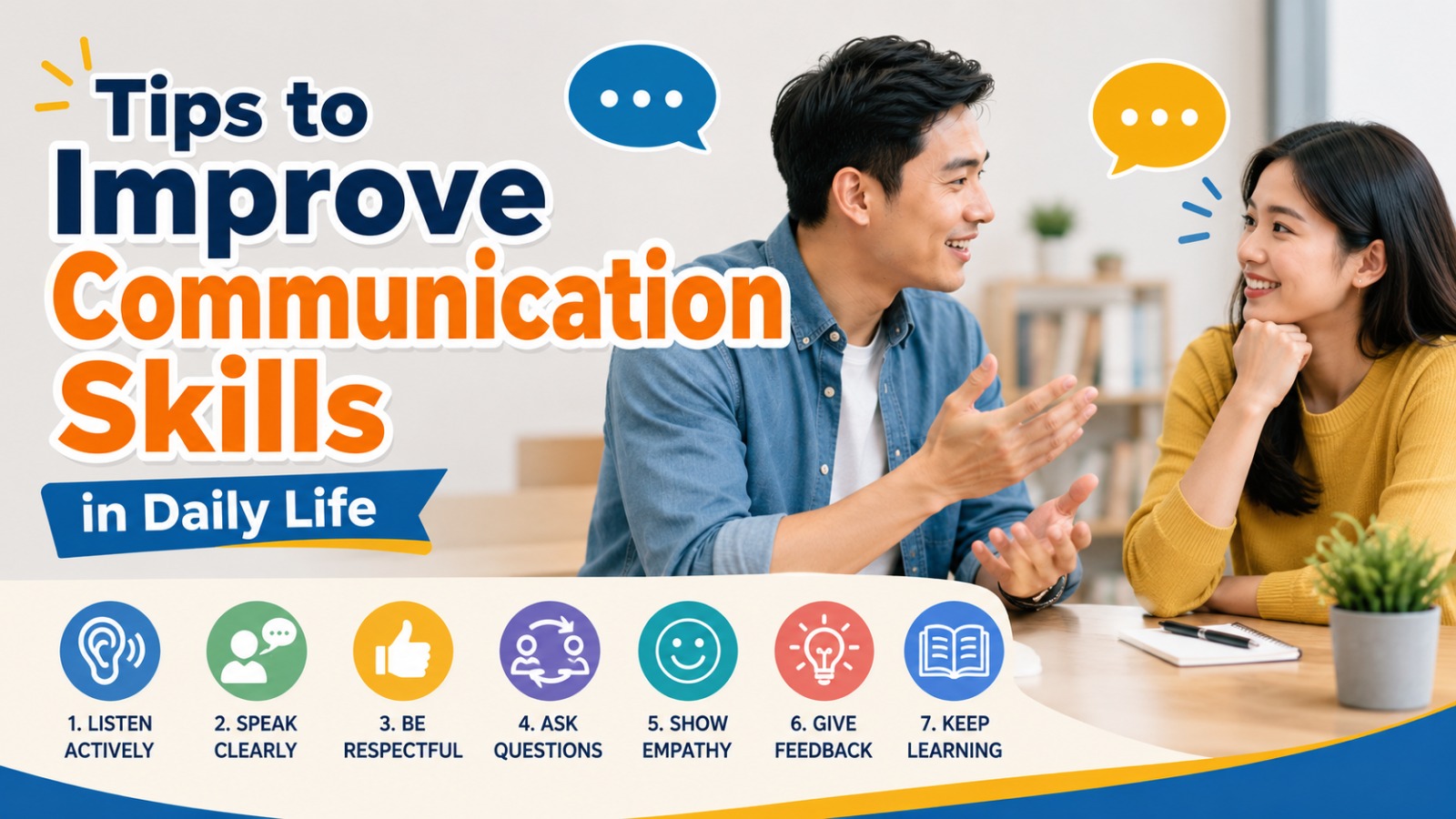
Communication skills are essential in everyday activities. Whether talking with family, friends, coworkers, or classmates, good communication helps people express ideas clearly and build stronger relationships. In modern life, communication is not only important for social interaction but also for career growth, teamwork, and personal confidence.
Many people struggle to communicate effectively because they feel nervous, shy, or unsure about what to say. Fortunately, communication skills can improve through regular practice and simple habits. By learning a few effective techniques, anyone can become a better communicator in daily life.
UNDERSTAND THE IMPORTANCE OF COMMUNICATION
Communication is more than just speaking. It also includes listening, understanding emotions, body language, and responding appropriately. Good communication helps prevent misunderstandings and creates positive interactions with others.
People with strong communication skills often find it easier to:
- Build friendships
- Solve problems peacefully
- Work effectively in teams
- Express opinions confidently
- Create better opportunities in life
Improving communication can positively affect both personal and professional relationships.
PRACTICE ACTIVE LISTENING
One of the most important communication habits is active listening. Many conversations fail because people focus only on their own responses instead of understanding the speaker.
Active listening means giving full attention during conversations. This includes maintaining eye contact, avoiding interruptions, and responding thoughtfully. When people feel heard, communication becomes more meaningful and respectful.
Good listeners also understand emotions better and can respond in a more supportive way.
SPEAK CLEARLY AND CONFIDENTLY
Clear communication helps others understand messages quickly and accurately. Speaking too fast, mumbling, or using complicated words may confuse listeners.
To communicate more effectively:
- Speak at a comfortable pace
- Use simple and direct language
- Organize thoughts before speaking
- Maintain a confident tone of voice
Confidence improves naturally with practice. The more often people communicate, the more comfortable they become.
IMPROVE BODY LANGUAGE
Body language is a powerful part of communication. Facial expressions, gestures, posture, and eye contact can affect how messages are received.
Positive body language can make conversations more engaging and trustworthy. Smiling, standing confidently, and maintaining eye contact show interest and confidence.
Negative body language, such as avoiding eye contact or crossing arms, may create barriers in communication.
EXPAND YOUR VOCABULARY
A better vocabulary helps people express ideas more clearly. Learning new words can improve speaking and writing abilities in daily conversations.
Reading books, articles, and online content regularly can naturally increase vocabulary. Watching educational videos or listening to podcasts can also improve pronunciation and language understanding.
Using appropriate words helps conversations become more effective and professional.
AVOID INTERRUPTING OTHERS
Interrupting during conversations can make people feel ignored or disrespected. Good communicators allow others to finish speaking before responding.
Patience during discussions shows respect and creates a more comfortable environment for communication. Listening carefully before answering also helps people give more thoughtful responses.
Respectful communication strengthens relationships and reduces misunderstandings.
PRACTICE COMMUNICATION EVERY DAY
Communication skills improve through consistent practice. Simple daily interactions can help people become more comfortable speaking with others.
Useful ways to practice include:
- Joining group discussions
- Asking questions during conversations
- Sharing opinions politely
- Practicing public speaking
- Talking with new people
Regular practice helps reduce nervousness and builds confidence over time.
LEARN TO MANAGE EMOTIONS
Emotional control is an important part of effective communication. Speaking while angry or frustrated may lead to misunderstandings and conflict.
Good communicators stay calm, think before responding, and choose words carefully. Managing emotions helps conversations remain respectful and productive even during disagreements.
Patience and empathy are valuable communication qualities in daily life.
USE TECHNOLOGY WISELY
Technology offers many opportunities to improve communication skills. Video calls, online courses, and language-learning applications can help people practice speaking and listening.
Social media can also help individuals connect with different communities and exchange ideas. However, face-to-face communication remains important for developing strong interpersonal skills.
Balancing online and offline communication can create better overall communication abilities.
CONCLUSION
Improving communication skills in daily life is possible through simple habits and regular practice. Listening actively, speaking clearly, using positive body language, and managing emotions can make communication more effective and meaningful.
Strong communication skills help people build confidence, improve relationships, and create better opportunities in both personal and professional life. With patience and consistent effort, anyone can become a more successful communicator.
About the Author
Gusti Ayu Tita
Author — STEKOM University
An active author focused on academic issues, educational technology, and human resource development in the campus environment.