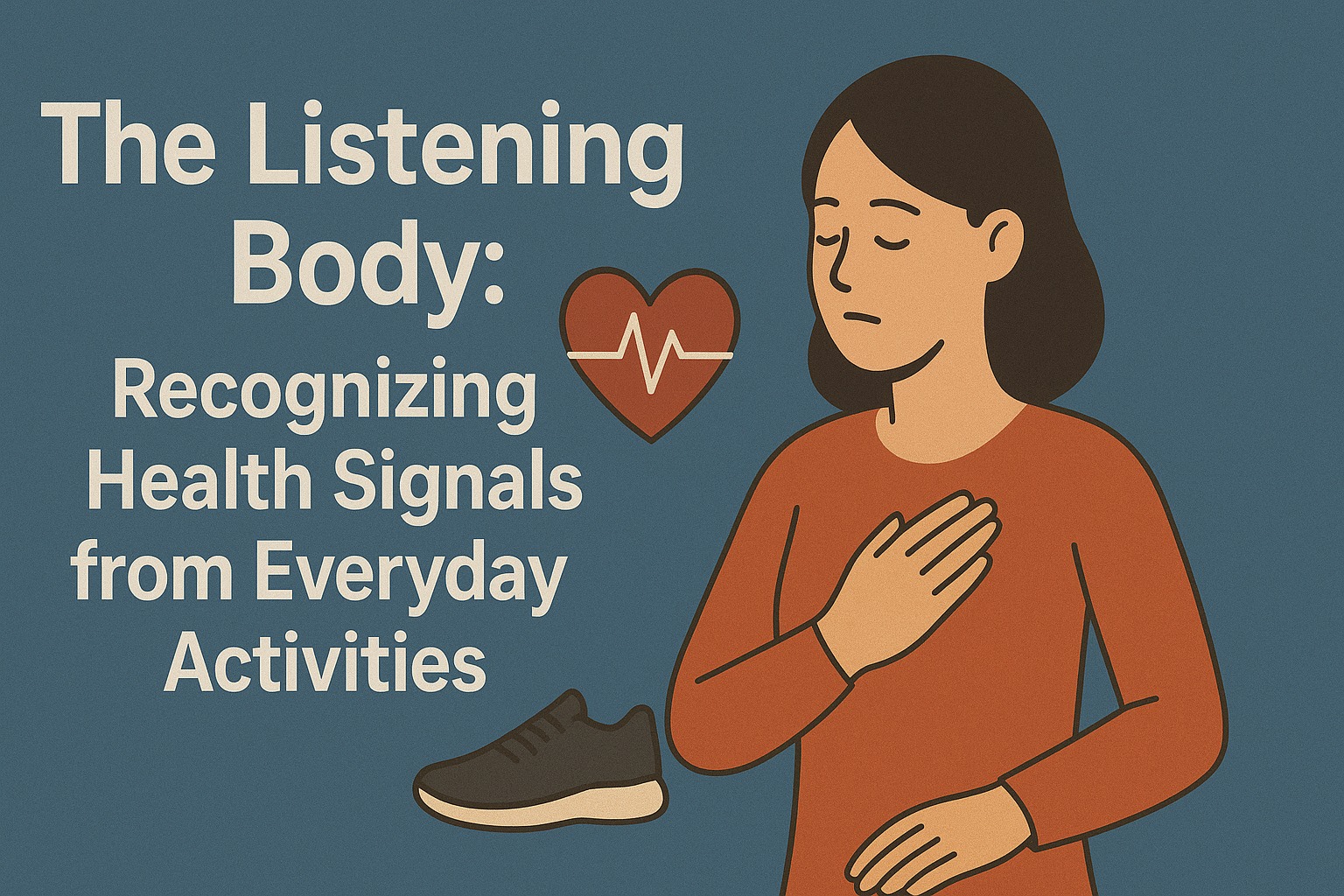
Our bodies are always communicating, but we are often too busy to listen.** Persistent fatigue, mild aches, digestive issues, or mood changes are signals telling us that something needs attention. Our daily activities—how we move, eat, and sleep—reflect the overall condition of our health.
Recognizing these signals early helps us prevent serious issues, improve our quality of life, and maintain balance between physical and mental well-being. This article explains how daily activities can serve as indicators of health and what steps we can take in response.
BODY SIGNALS FROM DAILY ACTIVITIES
Every movement and daily habit provides information about our physical state. A healthy body shows signs such as stable energy levels, restful sleep, and smooth digestion. On the other hand, excessive fatigue, headaches, or digestive problems can serve as warning signs that require attention.
Unexplained Fatigue
If you feel tired despite getting enough sleep and eating regularly, it may indicate metabolic issues, vitamin deficiencies, or accumulated stress. Paying attention to sleep patterns, nutrition, and physical activity levels can help determine the cause.
Digestive Issues
Changes in bowel habits, bloating, or stomach discomfort can be signals that your body needs attention. Diet, hydration, and activity levels are key factors influencing digestive health.
Mood and Focus Changes
Difficulty concentrating, irritability, or feeling sluggish are indicators of both mental and physical health. Physical activity, sleep quality, and stress levels directly affect psychological well-being.
PHYSICAL SIGNS THAT SHOULD NOT BE IGNORED
Some body signals appear as simple physical symptoms but are often overlooked. Recognizing these signs early allows for better prevention and timely care.
* Joint Pain or Stiffness: May indicate muscle fatigue, lack of exercise, or early joint issues.
* Frequent Headaches: Often related to dehydration, lack of sleep, or stress.
* Sudden Weight Changes: Could signal metabolic issues or hormonal imbalance.
* Irregular Heartbeat: May be a sign of cardiovascular problems or anxiety.
* Sleep Disturbances: Difficulty falling asleep or waking frequently can indicate stress, irregular sleep habits, or underlying health problems.
Monitoring these symptoms through daily activities helps prevent issues from becoming serious.
HOW TO MAINTAIN HEALTH THROUGH DAILY HABITS
1. Stay Physically Active
Light to moderate physical activity—like walking, stretching, or short exercises—supports heart, muscle, and metabolic health. Regular movement also boosts mood and energy.
2. Pay Attention to Your Diet
A balanced intake of protein, fiber, vitamins, and minerals provides optimal energy and supports organ function. Avoid overeating and limit processed foods that can strain digestion.
3. Prioritize Quality Sleep
Adequate, quality sleep allows the body to repair cells, restore energy, and maintain hormonal balance. Set a consistent bedtime routine and create a comfortable sleep environment.
4. Manage Stress
Meditation, hobbies, or taking short breaks help maintain balance. Relaxing activities prevent the buildup of stress that can lead to chronic health issues.
5. Do Regular Health Check-Ups
Routine check-ups help detect problems early. Combining self-observation with medical examinations is an effective strategy for maintaining health.
CONCLUSION
Our bodies constantly send signals through energy levels, mood, and daily physical conditions. Ignoring these signs can lead to more serious issues in the future.
By recognizing signals from daily activities, maintaining a healthy diet, staying active, getting quality sleep, and managing stress, we can care for our bodies more effectively. Developing the habit of “listening to your body” not only prevents illness but also enhances overall quality of life and vitality.
About the Author
Gusti Ayu Tita
Author — STEKOM University
An active author focused on academic issues, educational technology, and human resource development in the campus environment.