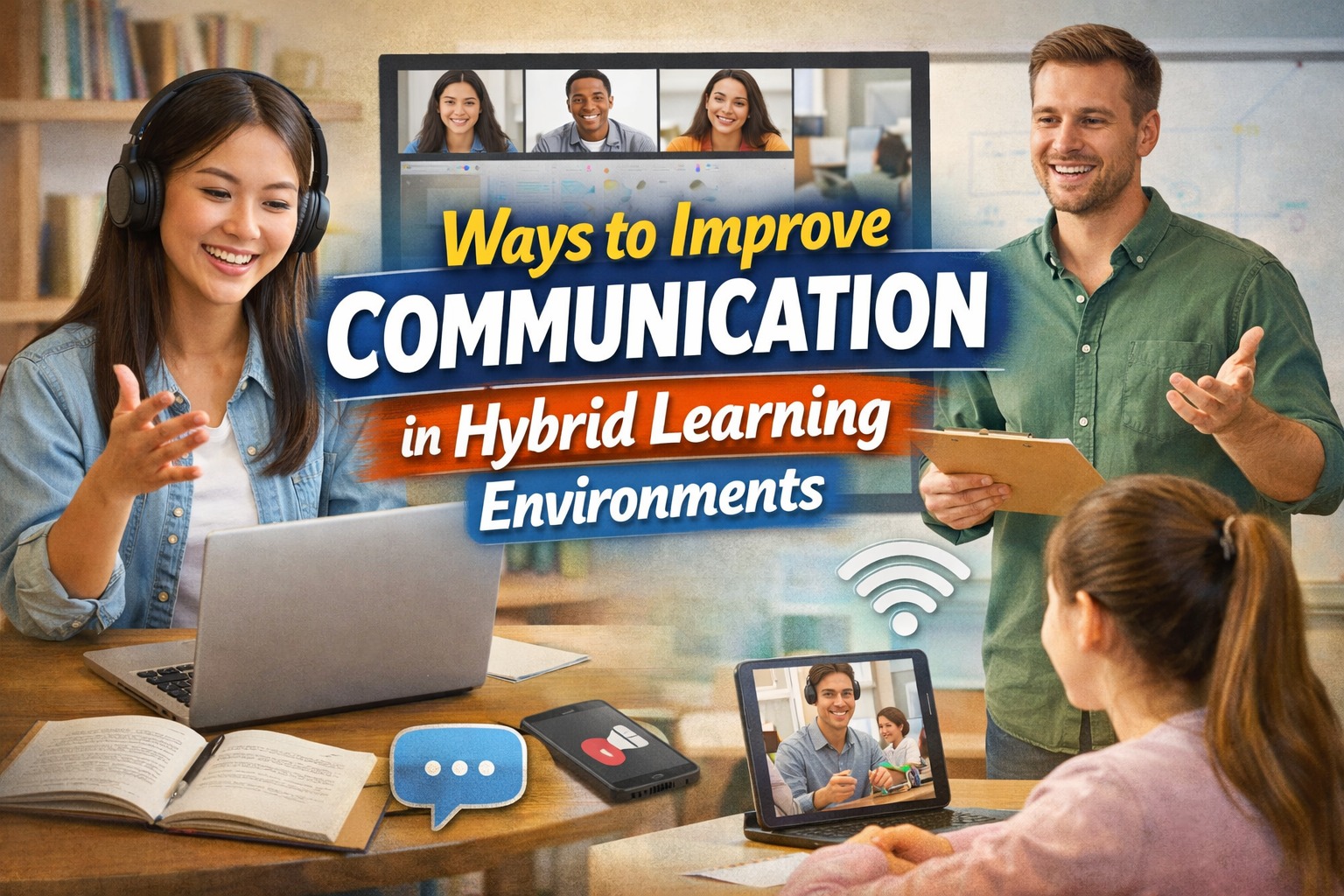
Hybrid learning has transformed modern education by combining face-to-face classes with online learning experiences. This approach provides flexibility and convenience for students and educators, allowing learning to continue regardless of location. However, effective communication remains one of the biggest challenges in hybrid learning environments. When communication is not managed properly, students may feel disconnected, miss important information, or struggle to collaborate with others.
Improving communication in hybrid learning environments is essential for creating a productive and engaging educational experience. By implementing the right strategies, educators and students can build stronger connections, enhance participation, and achieve better learning outcomes.
ESTABLISH CLEAR COMMUNICATION GUIDELINES
One of the most effective ways to improve communication in hybrid learning environments is by establishing clear communication guidelines. Students should know how and when to communicate with instructors and classmates. Providing clear expectations regarding response times, discussion participation, and assignment submissions helps reduce confusion and misunderstandings.
It is also important to choose official communication channels and use them consistently. Whether through email, learning management systems, or messaging platforms, having a centralized communication method ensures that everyone receives the same information. Consistency helps students stay informed and engaged throughout the learning process.
UTILIZE MULTIPLE COMMUNICATION TOOLS
Hybrid learning environments benefit greatly from the use of various communication tools. Different students have different preferences, and offering multiple options can improve accessibility and participation. Video conferencing platforms, discussion forums, chat applications, and collaborative workspaces can support effective interaction.
Using a combination of synchronous and asynchronous communication methods allows students to engage according to their schedules while still maintaining meaningful connections. Video meetings encourage real-time discussions, while forums and messaging tools provide flexibility for students who need additional time to respond.
ENCOURAGE ACTIVE STUDENT PARTICIPATION
Student engagement plays a critical role in communication success. Instructors should create opportunities for students to share ideas, ask questions, and participate in discussions. Encouraging active involvement helps learners feel connected to the class community regardless of whether they attend in person or online.
Interactive activities such as group projects, polls, quizzes, and breakout sessions can significantly increase participation. When students are actively involved, communication becomes more dynamic and meaningful. This leads to a more collaborative learning environment where everyone feels valued.
PROVIDE REGULAR FEEDBACK AND UPDATES
Consistent feedback is essential for maintaining strong communication in hybrid learning settings. Students need timely information about their performance, progress, and areas for improvement. Regular feedback helps learners stay motivated and understand what is expected of them.
Instructors should also provide frequent updates regarding schedules, assignments, and course changes. Sharing important information through multiple channels ensures that both online and in-person students receive the same messages. This approach minimizes confusion and promotes transparency.
FOSTER A COLLABORATIVE LEARNING CULTURE
Building a collaborative culture strengthens communication among students and educators. Encouraging teamwork and peer interaction creates opportunities for knowledge sharing and mutual support. Students who communicate regularly with their peers often develop stronger learning relationships.
Collaborative activities can include virtual study groups, peer reviews, and team-based projects. These experiences help students improve communication skills while developing a sense of belonging within the learning community. Strong collaboration also contributes to higher engagement and better academic performance.
IMPROVE DIGITAL COMMUNICATION SKILLS
Effective communication in hybrid learning environments requires strong digital literacy skills. Both students and educators should understand how to use online communication tools effectively. This includes participating in virtual meetings, writing clear messages, and practicing proper online etiquette.
Training sessions and technology support can help individuals become more comfortable with digital platforms. As digital communication skills improve, interactions become more efficient and productive. This creates a smoother learning experience for everyone involved in the hybrid environment.
CREATE AN INCLUSIVE AND SUPPORTIVE ENVIRONMENT
An inclusive learning environment encourages open communication and participation from all students. Educators should ensure that both online and in-person learners have equal opportunities to contribute. Making everyone feel heard and respected helps strengthen classroom communication.
Providing support for diverse learning needs is equally important. Flexible communication methods, accessible resources, and respectful interactions can help all students succeed. A supportive environment promotes confidence, engagement, and meaningful collaboration.
CONCLUSION
Effective communication is the foundation of successful hybrid learning environments. By establishing clear guidelines, utilizing multiple communication tools, encouraging participation, providing regular feedback, fostering collaboration, improving digital communication skills, and creating an inclusive atmosphere, educators and students can enhance the overall learning experience. Strong communication not only improves academic performance but also builds stronger connections among learners, making hybrid education more effective and engaging for everyone.
About the Author
Gusti Ayu Tita P
Author — STEKOM University
An active author focused on academic issues, educational technology, and human resource development in the campus environment.