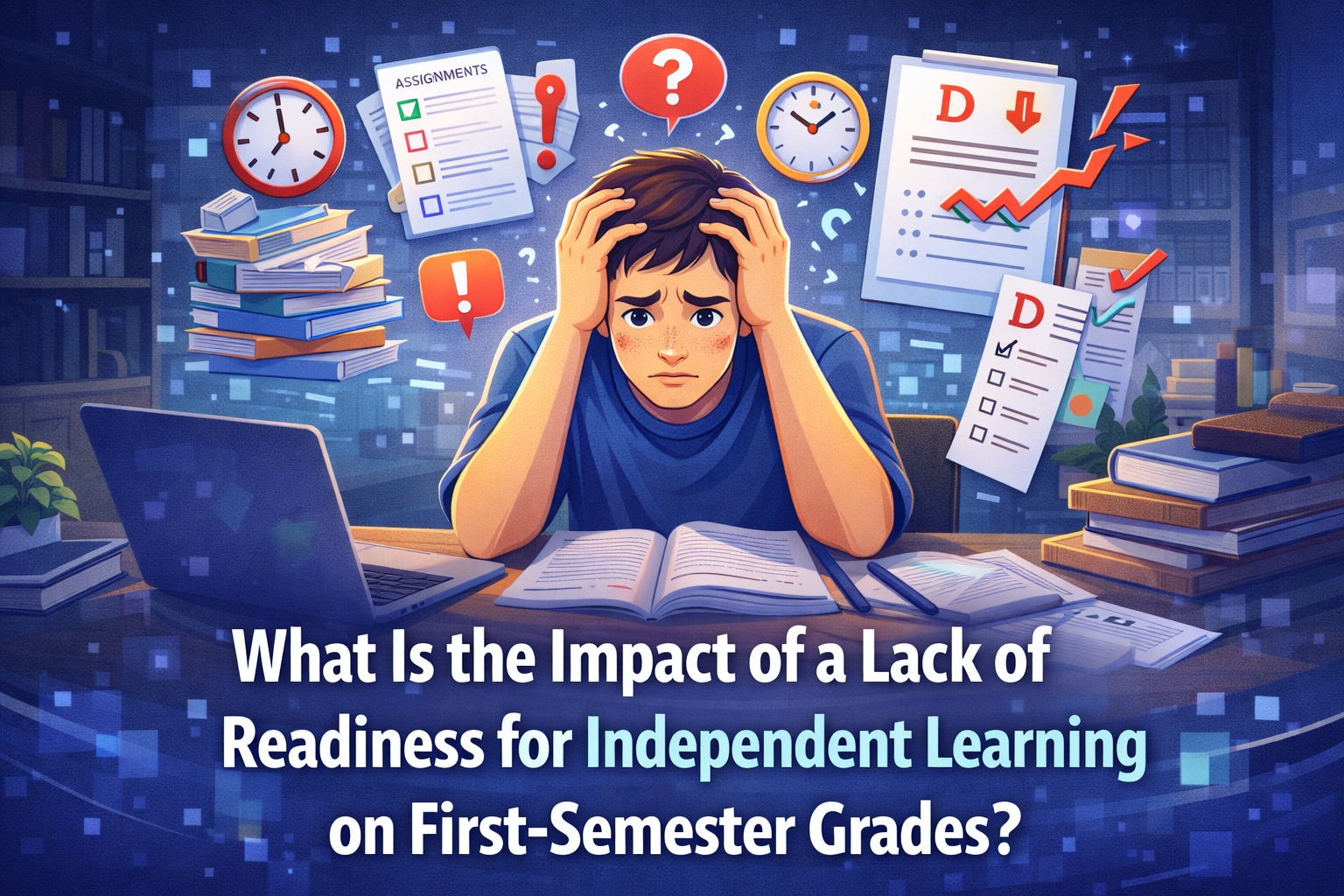
The first semester of university is a critical transition period for new students. Alongside adapting to campus life, students must shift toward independent learning. Unfortunately, not all students are adequately prepared, which often affects academic performance, especially first-semester grades.
A lack of readiness for independent learning does not indicate low intelligence, but rather undeveloped learning management skills.
Differences in Learning Demands at University
In school, learning is structured with clear guidance. At university, learning becomes flexible and student-centered.
Students are expected to:
- Manage their own study schedules
- Seek additional references independently
- Understand material deeply
- Complete analytical assignments
Without mental readiness and proper learning strategies, students may feel overwhelmed from the start.
Direct Impact on Material Comprehension
Students who lack independent learning skills often rely solely on brief lecturer explanations, resulting in:
- Weak understanding of core concepts
- Difficulty following advanced material
- Falling behind in fast-paced classes
This shallow understanding is reflected in quizzes, assignments, and exams.
Poor Time Management Lowers Grades
Independent learning requires strong time management. Unprepared students often procrastinate due to lack of supervision.
Common patterns include:
- Studying only before exams
- Completing assignments near deadlines
- Spending excessive time on non-academic activities
These habits reduce learning effectiveness and negatively impact grades.
Difficulty Understanding Assignment Instructions
University assignments are often open-ended and require interpretation. Without independent learning skills, students may:
- Misinterpret expectations
- Provide shallow analysis
- Receive low grades despite effort
This issue relates more to initiative than academic ability.
Decline in Academic Self-Confidence
Poor early grades can damage students’ confidence, leading to:
- Reduced learning motivation
- Reluctance to participate in class
- Fear of trying new academic challenges
How to Overcome a Lack of Independent Learning Readiness
The good news is that independent learning skills can be developed:
1. Create a regular study schedule
2. Use multiple learning resources
3. Improve note-taking skills
4. Ask questions without hesitation
5. Regularly evaluate learning methods
Conclusion
A lack of readiness for independent learning can significantly affect first-semester grades. Weak comprehension, poor time management, and difficulty understanding assignments are major contributing factors.
However, this is not the end. By building structured and proactive study habits, students can improve academic performance in later semesters and develop the independence essential for university success.
About the Author
Gusti Ayu Tita P
Author — STEKOM University
An active author focused on academic issues, educational technology, and human resource development in the campus environment.