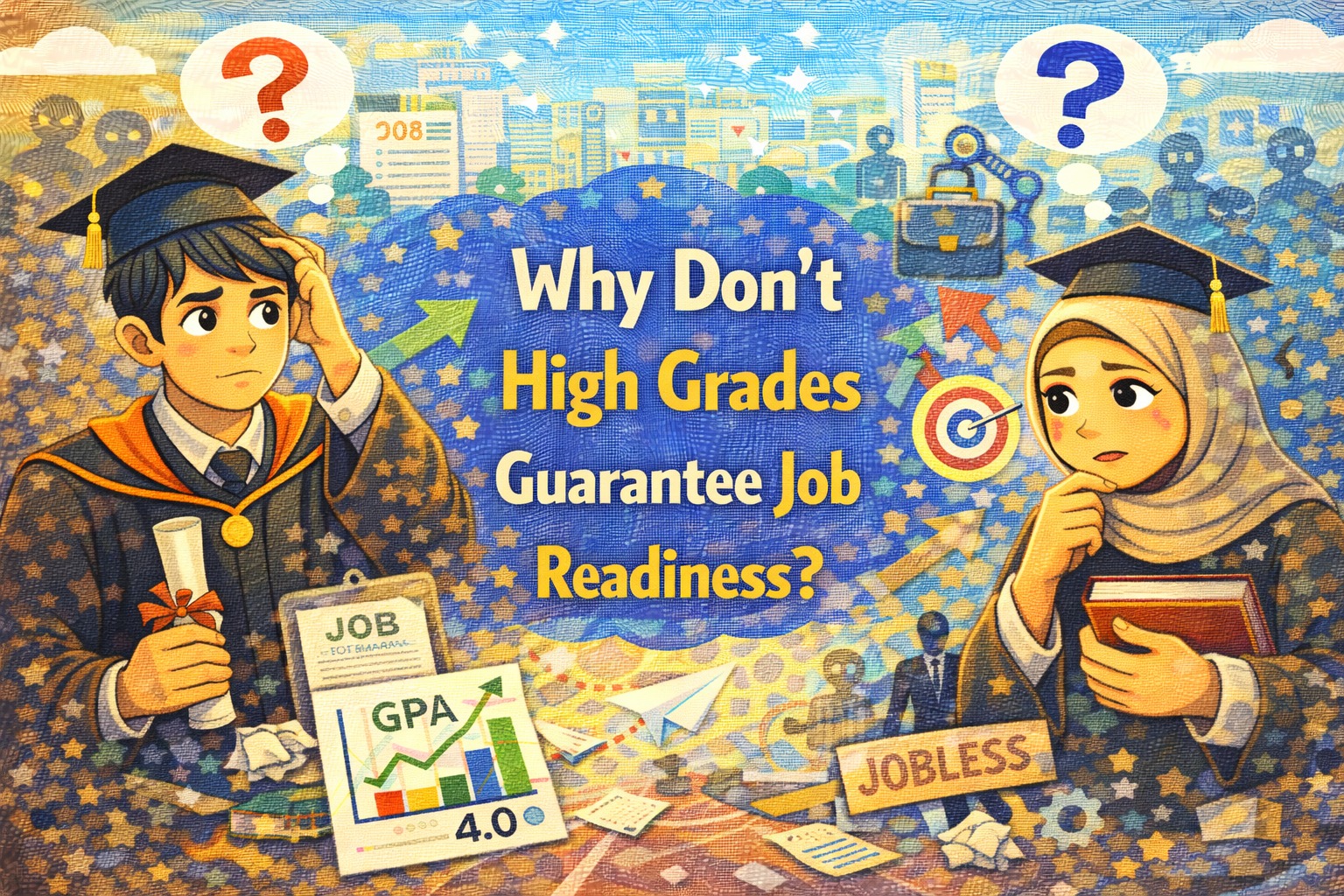
Many students believe that achieving top grades ensures success in the professional world. While academic excellence demonstrates intelligence and discipline, it does not automatically prepare students for the complex demands of a workplace. Understanding why high grades alone may fall short is crucial for students aiming to bridge the gap between education and career readiness.
THE LIMITATIONS OF ACADEMIC SUCCESS
High grades reflect mastery of theory, exams, and structured assignments. However, the professional environment requires more than academic knowledge. Skills like problem-solving in unpredictable situations, effective communication, teamwork, and adaptability are often not fully developed through coursework alone. This gap can leave even top-performing students feeling unprepared when entering the workforce.
THE IMPORTANCE OF PRACTICAL EXPERIENCE
Practical experience is essential to complement academic achievements. Internships, volunteering, and collaborative projects expose students to real-world scenarios and workplace expectations. Through these experiences, students learn how to handle responsibility, deadlines, and interpersonal dynamics—skills that high grades cannot measure.
DEVELOPING SOFT SKILLS FOR CAREER SUCCESS
Soft skills are equally important as technical knowledge. Leadership, communication, time management, and emotional intelligence help students navigate challenges and build professional relationships. Students who focus only on grades may struggle in environments that prioritize teamwork and adaptability.
STRATEGIES TO IMPROVE JOB READINESS
To ensure a smoother transition from campus to career, students should:
* Engage in internships and practical projects
* Participate in extracurricular activities and student organizations
* Build professional networks through mentors and alumni
* Develop soft skills like communication and leadership
* Learn industry-relevant tools and practices
CONCLUSION
High grades are important, but they do not guarantee job readiness. Combining strong academic performance with practical experience and soft skill development ensures students are better prepared to succeed in a competitive professional environment.
About the Author
Gusti Ayu Tita P
Author — STEKOM University
An active author focused on academic issues, educational technology, and human resource development in the campus environment.