Gen Z is a generation that has grown up in a highly connected world. Digital technology has been part of daily life since an early age, shaping shopping habits, money management, and financial decision-making through online platforms. E-commerce apps, digital wallets, continuous promotions, and instant payment methods make financial activities far more convenient—but also far riskier if left unmanaged. In an era where money moves so quickly, financial stability is not only about how much one earns, but about how well one manages, plans, and maintains financial balance.
For Gen Z, financial management is a crucial first step toward building a more secure future. By understanding smart spending, creating clear budgets, and maintaining a balance between present needs and long-term goals, this generation can avoid common traps of unconscious consumerism. Good financial management not only provides a sense of security, but also opens wider opportunities to achieve dreams such as higher education, a desired career, and ultimately financial freedom.
SMART SPENDING IN THE DIGITAL ERA
The convenience of digital shopping often leads people to lose control. Discount notifications appear constantly, product recommendations are continuously updated, and digital content reinforces the urge to follow trends. As a result, purchasing decisions are often made impulsively without considering real needs. Therefore, building smart spending habits is the first step toward maintaining financial stability.
Smart spending does not mean strict self-restriction, but ensuring that every purchase adds value rather than simply satisfying momentary desires. This habit helps Gen Z become more aware of their spending and avoid regret after transactions.
1. Differentiate needs from wants
Although it sounds simple, this distinction is a fundamental foundation for controlling consumption. By identifying what is truly necessary, Gen Z can significantly reduce unnecessary expenses driven by trends or lifestyle pressure.
2. Set a monthly spending limit
Spending limits create discipline and control. With clear boundaries, expenses become more manageable and less influenced by mood, leading to more stable monthly finances.
3. Be cautious with pay-later features
Pay-later options offer convenience, but many users fall into accumulating bills. If not used carefully, they can disrupt cash flow and create unnecessary financial stress.
4. Compare prices before purchasing
Product prices can vary significantly across platforms. Comparing prices offers long-term benefits and prevents overpaying, while also fostering healthy financial awareness.
BUDGETING FOR THE DIGITAL GENERATION
Budgeting is the most effective tool to prevent money from being spent without direction. In the digital era, cash flow moves so fast that without planning, it is easy to lose control. A budget is not just a plan—it is a strategy that ensures every unit of money has a clear purpose. For Gen Z, budgeting is a way to understand and gradually improve personal financial behavior.
With a structured budget, Gen Z can allocate money to priorities such as savings, self-development, education, or investment. A budget also supports better decision-making by providing a realistic picture of financial capacity.
1. Choose the most suitable budgeting method
Simple methods like the 50–30–20 rule work well for beginners, while those who prefer detail may use zero-based budgeting. Choosing the right method makes budgeting feel natural rather than burdensome.
2. Record all income and expenses
Tracking transactions helps reveal spending patterns that may have gone unnoticed. This insight is essential for fixing inefficiencies and eliminating small but persistent budget leaks.
3. Prioritize an emergency fund
An emergency fund acts as a financial safety net. Without it, unexpected situations such as illness, job loss, or essential repairs can create serious problems. Building this fund early is crucial.
4. Optimize digital financial apps
Financial apps provide features such as automatic tracking, spending charts, and bill reminders. Using technology makes budgeting easier, more accurate, and more consistent.
5. Allocate funds for self-development
Investing in oneself is one of the most valuable investments. A budget should include costs for courses, training, or certifications that can enhance future professional value.
FINANCIAL BALANCE FOR THE FUTURE
Balance is the ability to maintain harmony between financial stability and quality of life. Many people can save or budget, yet still struggle to balance enjoying the present with preparing for the future. For Gen Z, financial balance is essential to avoid burnout while staying on track.
This balance involves mindset, emotional control, and habits that support long-term goals. With proper balance, Gen Z can enjoy life without losing financial direction.
1. Develop consistent saving habits
Consistency matters more than large amounts. Regular saving builds a strong foundation for future stability.
2. Learn to invest gradually
Investment offers growth beyond regular savings. Gen Z can start with safer options while gradually increasing knowledge and confidence.
3. Maintain life balance to avoid pressure
Managing finances does not mean eliminating all enjoyment. Balancing emotional needs and financial responsibility is vital for mental well-being.
4. Set clear and realistic financial goals
Goals provide direction. With clear targets, financial decisions become more focused and achievable.
5. Continuously improve financial literacy
Financial knowledge is a form of self-protection. The more Gen Z understands financial and economic concepts, the greater their potential for stable growth.
CONCLUSION
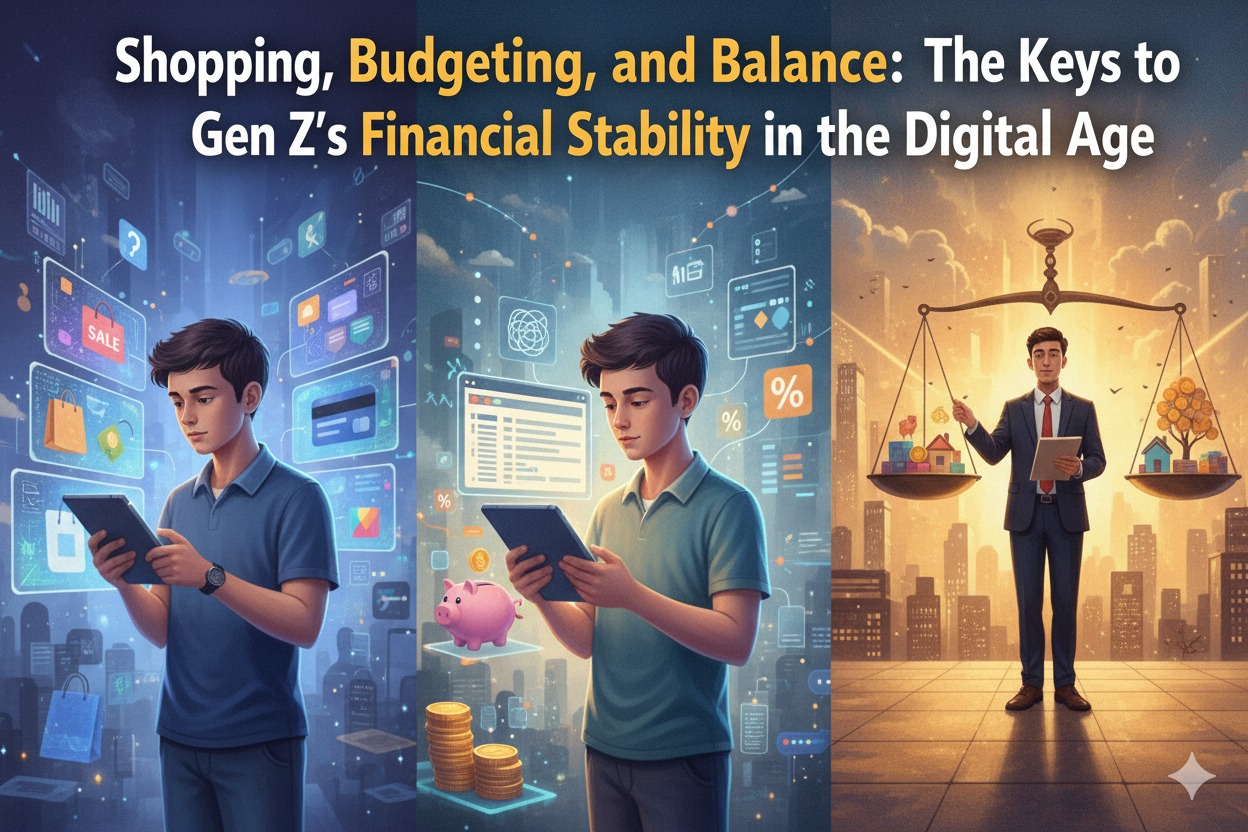
Spending, budgeting, and balance are the three main pillars of Gen Z’s financial stability in the digital era. Through smart spending, effective budgeting, and a healthy life balance, this generation can manage finances more maturely and face the future with confidence. Strong financial habits not only create security, but also open the door to a more stable, purposeful, and opportunity-rich life.
Tentang Penulis
Gusti Ayu Tita
Penulis — Universitas STEKOM
Penulis aktif yang berfokus pada isu-isu akademik, teknologi pendidikan, dan pengembangan sumber daya manusia di lingkungan kampus.