From Cashless to Conscious: How Gen Z Can Manage Finances Wisely in the Digital Era
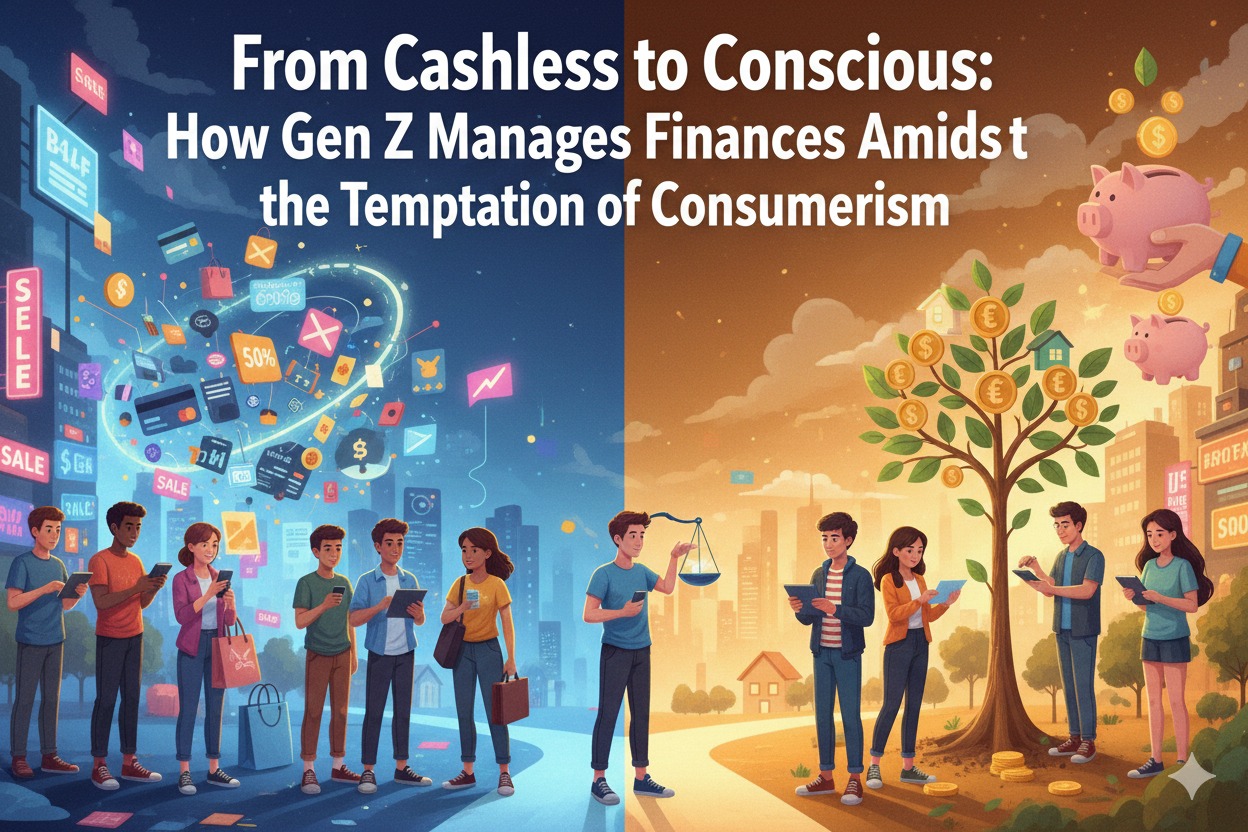
Technological advancements have made payment systems increasingly practical. Gen Z, as a generation that has grown up alongside digitalization, is now accustomed to a cashless lifestyle through digital wallets, debit cards, paylater services, and QR codes. While this convenience supports daily activities, it also comes with a hidden risk: growing consumerist temptation. Instant promotions and fast checkouts often make spending feel effortless, even as expenses quietly increase. For this reason, Gen Z needs to shift from being merely cashless to becoming more **conscious** in managing their finances.
CASHLESS SYSTEMS AND GEN Z’S CONSUMPTIVE BEHAVIOR
Digital convenience not only simplifies transactions but also shapes fast and impulsive habits. Several factors explain why cashless systems often encourage overspending:
* Transactions Feel Unreal
Without physical cash, money does not feel like it is decreasing, making spending seem lighter.
* Intensive Promotions and Notifications
Gen Z is constantly exposed to discounts, cashback offers, and flash sales that trigger impulse purchases.
* Transaction Speed
Purchases can be completed in seconds, reducing time for thoughtful consideration.
* Paylater Availability
This system creates a false sense of security while increasing future financial burdens.
Without conscious control, these patterns turn financial management into a serious challenge.
THE IMPACT OF UNCONTROLLED SPENDING HABITS
Impulse shopping and unplanned cashless usage can lead to long-term negative consequences:
* Unnoticed Overspending
Small but frequent expenses can drain monthly income.
* Lack of Emergency Savings
Spending priorities often replace savings and financial security.
* Rising Installment Burdens
Paylater traps many users in accumulating small debts.
* Financial Stress
Guilt and financial pressure can affect mental health and productivity.
FROM CASHLESS TO CONSCIOUS: GEN Z FINANCIAL STRATEGIES
To avoid sinking into consumerism, Gen Z must develop more mindful and structured financial habits:
1. Set Limits on Digital Wallet Usage
Create weekly or monthly spending caps and stop once the limit is reached.
2. Separate Accounts by Purpose
Maintain different accounts for necessities, lifestyle expenses, and savings or investments.
3. Use a Flexible Budgeting System
Methods such as 50/30/20 or 70/20/10 can help align spending with priorities.
4. Apply the 48-Hour Rule Before Buying
Delay non-essential purchases to ensure rational decision-making.
5. Disable Promotional Notifications
Reducing exposure to promos lowers impulsive spending triggers.
6. Track Expenses Regularly
Recording daily or weekly expenses increases financial awareness.
7. Use Paylater Responsibly
Limit usage to urgent needs, ensure affordability, and keep it under 20% of income.
CONSCIOUS FINANCIAL HABITS FOR A MORE STABLE LIFE
Beyond controlling spending, building healthy financial habits leads to long-term stability:
* Build an emergency fund equal to 3–6 months of expenses
* Start investing early, even with small amounts
* Review expenses monthly to identify financial leaks
* Set clear short-term and long-term financial goals
CONCLUSION
Cashless transactions are an integral part of Gen Z’s lifestyle, but they do not have to lead to uncontrolled consumption. By adopting a conscious approach—more aware, more planned, and more disciplined—Gen Z can enjoy digital convenience without losing financial control. Although change takes time, consistent strategies can pave the way toward a more secure and stable financial future.
Tentang Penulis
Gusti Ayu Tita
Penulis — Universitas STEKOM
Penulis aktif yang berfokus pada isu-isu akademik, teknologi pendidikan, dan pengembangan sumber daya manusia di lingkungan kampus.