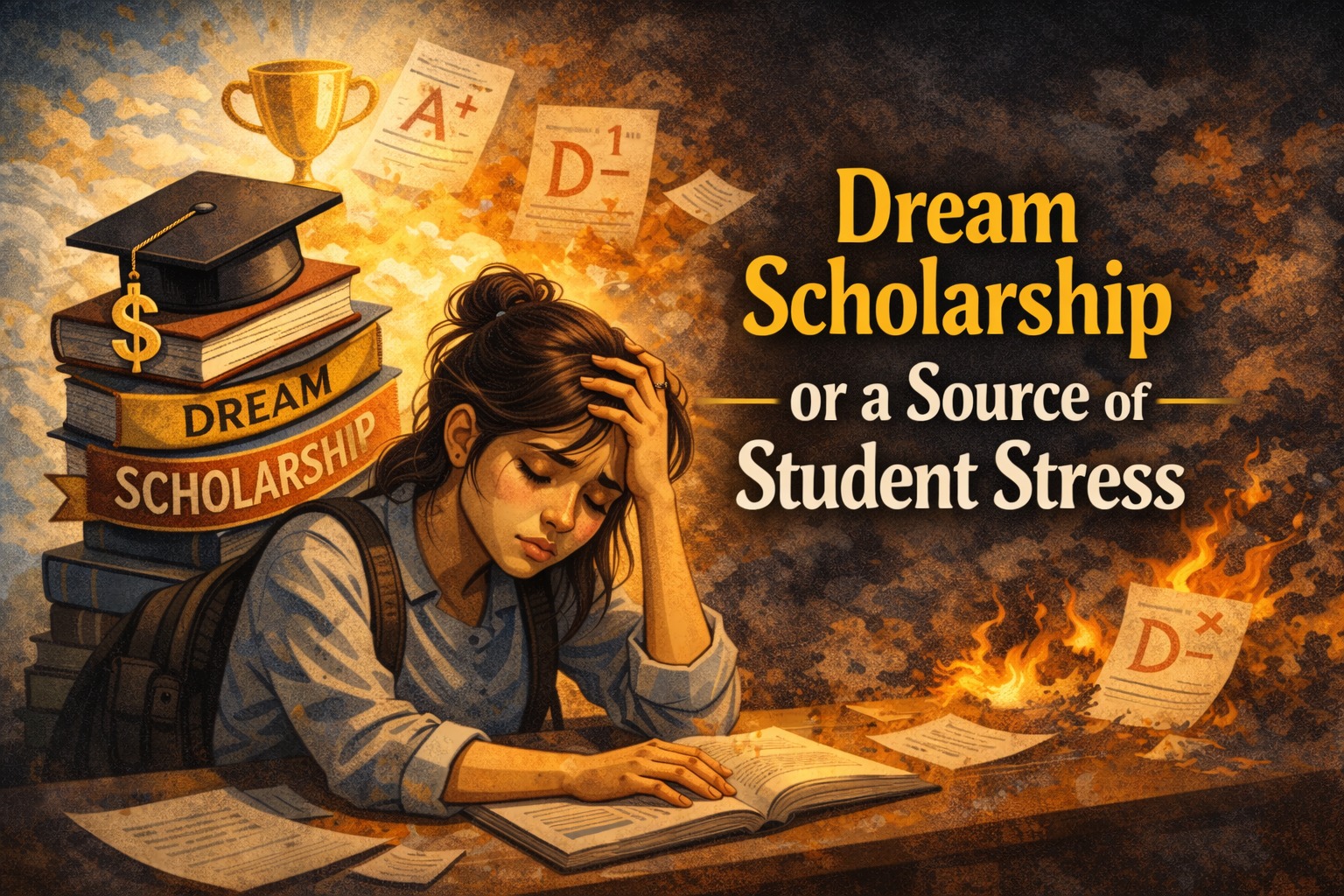
For countless students, earning a scholarship feels like a life changing achievement. It represents recognition, financial relief, and a clear path toward academic success. Families celebrate it as a proud milestone, and institutions highlight it as proof of excellence. Yet behind this dream opportunity, many students quietly struggle with overwhelming pressure.
Is a scholarship purely a blessing, or can it also become a source of student stress? The answer often depends on the expectations, conditions, and emotional resilience surrounding the award.
THE PROMISE OF OPPORTUNITY
Scholarships play a vital role in expanding access to higher education. They reduce tuition burdens, minimize student debt, and allow talented individuals to pursue their academic goals without constant financial worry.
For students from limited economic backgrounds, scholarships can transform their future. They create opportunities that might otherwise remain out of reach. This financial support often motivates recipients to work harder and aim higher.
However, with great opportunity often comes significant responsibility.
ACADEMIC STANDARDS AND PERFORMANCE PRESSURE
Most scholarship programs require students to maintain a specific grade point average or fulfill strict academic criteria. While these standards aim to encourage excellence, they can also generate intense pressure.
Every test becomes critical. Every assignment feels like a measurement of worth. Students may sacrifice rest, social life, and personal interests to maintain high performance. Over time, this relentless pursuit of perfection can lead to exhaustion and anxiety.
Instead of enjoying the learning process, some students focus solely on protecting their scholarship status.
THE FEAR OF LOSING SUPPORT
For many recipients, scholarships are not simply rewards but necessities. Losing funding could mean postponing or even ending their education. This fear creates a constant sense of uncertainty.
Academic setbacks, which are a normal part of growth, may feel catastrophic. Students may avoid challenging courses or new experiences to minimize risk. Living in fear of failure can significantly impact mental health and self confidence.
The scholarship that once symbolized freedom may begin to feel like a fragile lifeline.
SOCIAL EXPECTATIONS AND SELF DOUBT
Scholarship recipients are often perceived as high achievers. Families and communities may place strong expectations on them to succeed consistently. While encouragement can be empowering, excessive expectations can become burdensome.
Some students struggle with impostor syndrome. They question whether they truly deserve their scholarship or if they were simply fortunate. Being surrounded by equally talented peers may intensify comparison and self doubt.
These emotional struggles are rarely visible, yet they deeply affect overall well being.
FINDING A HEALTHIER BALANCE
Addressing scholarship related stress requires a balanced approach. Educational institutions can provide mental health services, mentorship programs, and flexible academic policies. Open communication about expectations and support systems can reduce unnecessary anxiety.
Students also benefit from learning that setbacks do not define their value. Growth often involves mistakes, challenges, and adjustments. Recognizing this reality can ease the pressure to be constantly perfect.
Scholarships should empower students, not overwhelm them.
CONCLUSION
A dream scholarship can open doors to remarkable opportunities. Yet without proper support and realistic expectations, it may also become a source of student stress. Recognizing both sides of the experience allows institutions and families to create environments where excellence and well being coexist.
When academic success is balanced with emotional care, scholarships can truly remain dreams fulfilled rather than burdens silently carried.
Tentang Penulis
Gusti Ayu Tita P
Penulis — Universitas STEKOM
Penulis aktif yang berfokus pada isu-isu akademik, teknologi pendidikan, dan pengembangan sumber daya manusia di lingkungan kampus.