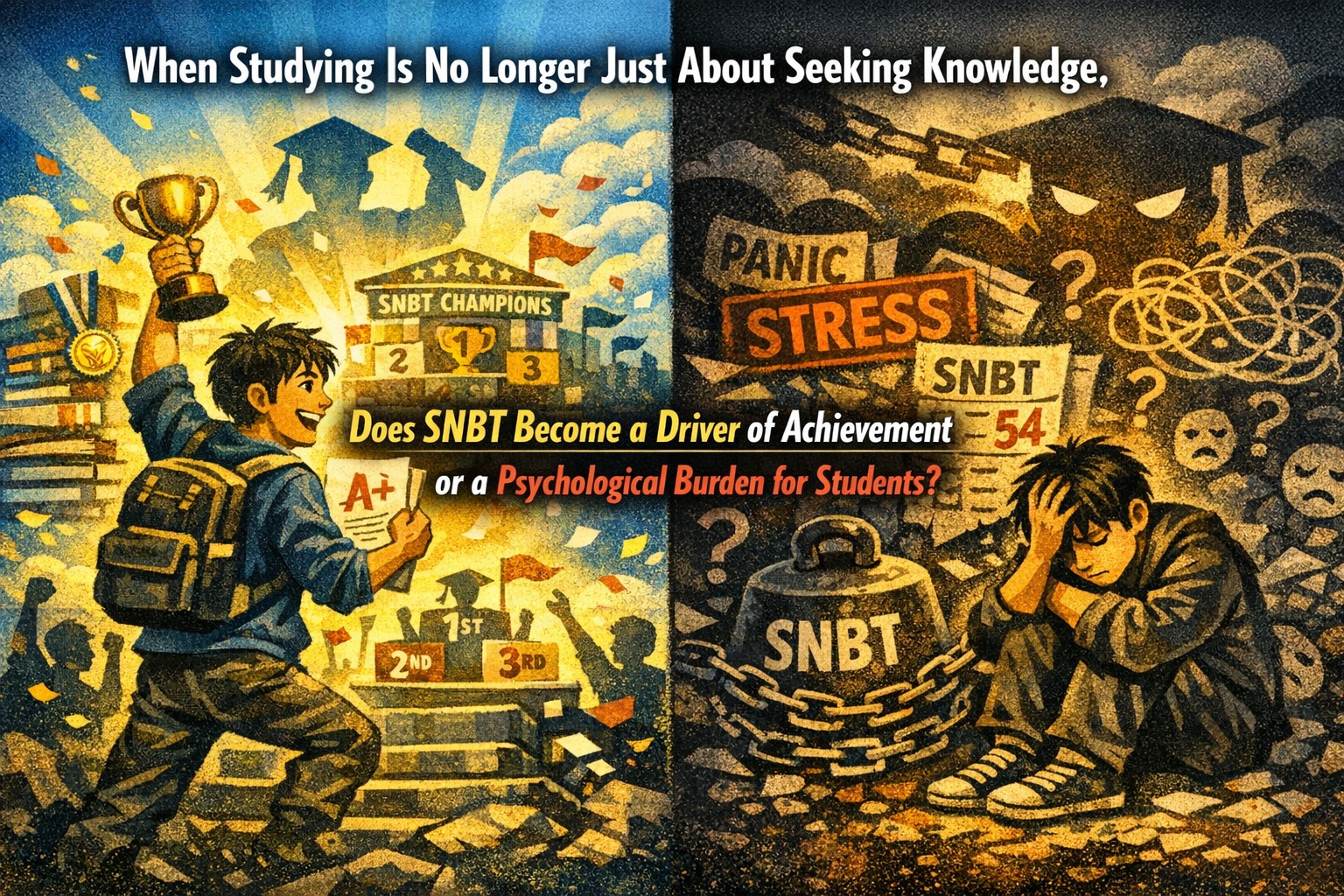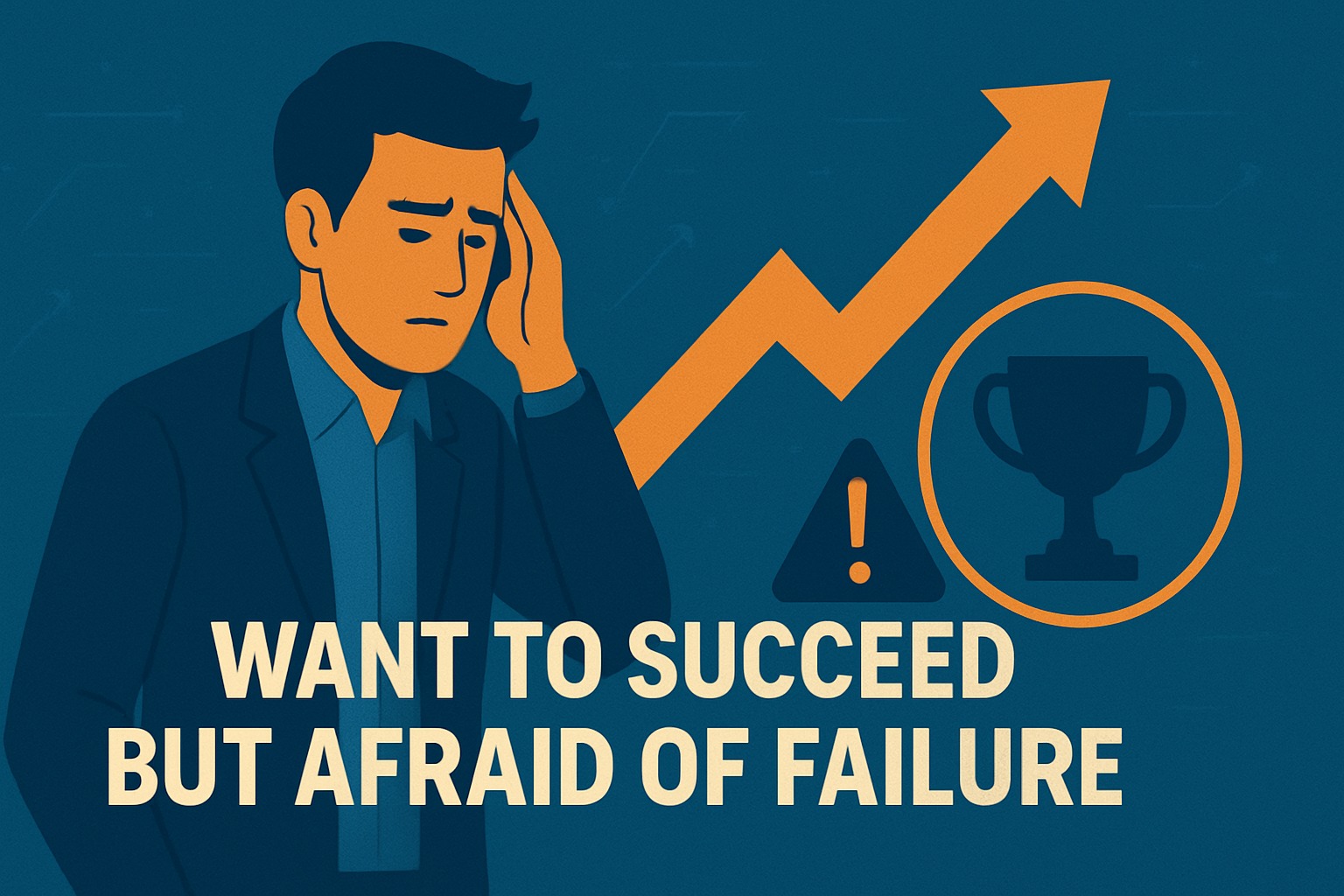
Many young people today grow up with big dreams in their minds, yet their steps feel small because they are overshadowed by the fear of failure. On one hand, there is a strong push to “become something” meaningful; on the other hand, a doubtful inner voice keeps asking, “What if it doesn’t work?” This dilemma often arises during transition periods—graduating from school, choosing a major, searching for a job, or starting a business—when the future feels both wide open and terrifying at the same time.
This fear does not always show up as panic. It may appear in the form of delaying decisions, spending too much time “preparing,” or choosing a comfortable zone that feels safe. Without realizing it, time passes and opportunities slip away. This is why it is important to understand the root of the fear, the impact it has on life, and the realistic strategies that help you move forward with greater courage.
ROOT CAUSES OF YOUNG PEOPLE’S FEAR OF FAILURE
The fear of failure rarely stands alone. It is built from family expectations, social pressure, and an increasingly intense comparison culture fueled by social media. When “success” is constantly portrayed as something instant—young executives, skyrocketing businesses, seemingly perfect lives—failure becomes something shameful that must be avoided. Yet what is shown online is often just a fragment of the story, not the entire journey.
Additionally, small painful experiences—bad grades, job rejection, a first business that didn’t sell—can shape a false belief that failure is an identity, not an event. When identity and results are equated, every risk feels like a threat to self-worth. As a result, safe choices become far more tempting than bold moves.
THE IMPACT OF THIS DILEMMA ON MENTAL HEALTH AND THE FUTURE
Holding back because of fear is not without consequences. Anxiety can turn into stagnation: big dreams remain mere ideas, while potential goes undeveloped. In the long run, frustration and regret begin to appear—not because of failure, but because of never trying.
Even more, the mindset of “avoiding failure” often grows into excessive perfectionism. Standards become too high, causing someone to delay starting until they feel “perfectly ready”—a condition that rarely arrives. Lost momentum is often more damaging than making a few mistakes along the way.
SIGNS YOU ARE STUCK IN FEAR MODE
*Taking Too Long to Gather Information
Research is important, but if learning never leads to action, it may be a form of avoidance.
*Frequently Delaying Major Decisions
Choices related to education, career, or business are postponed repeatedly out of fear of choosing wrong.
*Comparing Yourself Excessively
Unhealthy comparison destroys confidence and blurs your personal goals.
*Underestimating Your Own Potential
Rejecting opportunities with the excuse of “not being ready” often stems from fear of failure.
REALISTIC STRATEGIES TO MOVE FORWARD WITHOUT DENYING YOUR FEAR
*Redefine Failure as Data
See failure as valuable information, not a verdict. Every outcome provides clues for the next step.
*Create Small, Measurable Goals
Break big dreams into daily or weekly tasks. Small progress reduces mental pressure and builds confidence.
*Build a Support Network
Friends, mentors, or healthy communities can provide perspective and encouragement when doubt appears.
*Limit Exposure to Comparison
Curate your social media to avoid constant comparison. Focusing on your own process is far healthier.
BUILDING MENTAL RESILIENCE EARLY
Mental resilience does not mean being fearless—it means moving forward despite fear. It grows from the habit of reflecting, learning from failure, and celebrating even the smallest progress. Young people who develop resilience tend to be more adaptive in facing the rapidly changing world of work.
It is also important to create a personal definition of success. For some, success means an outstanding career; for others, a balanced and meaningful life. When you define success for yourself, external pressure decreases and your decisions align more closely with your values.
CONCLUSION
The desire to succeed and the fear of failure are two natural sides of a young person’s journey. But if fear is allowed to lead, big dreams will only remain a list of hopes with no form. Failure is not the end of the story—it is part of the growth process.
By shifting how you see failure, setting consistent small steps, and building a supportive environment, young people can move forward with greater courage. Success is not about being free from fear, but about choosing to move even when the fear is still there.
Tentang Penulis
Gusti Ayu Tita
Penulis — Universitas STEKOM
Penulis aktif yang berfokus pada isu-isu akademik, teknologi pendidikan, dan pengembangan sumber daya manusia di lingkungan kampus.