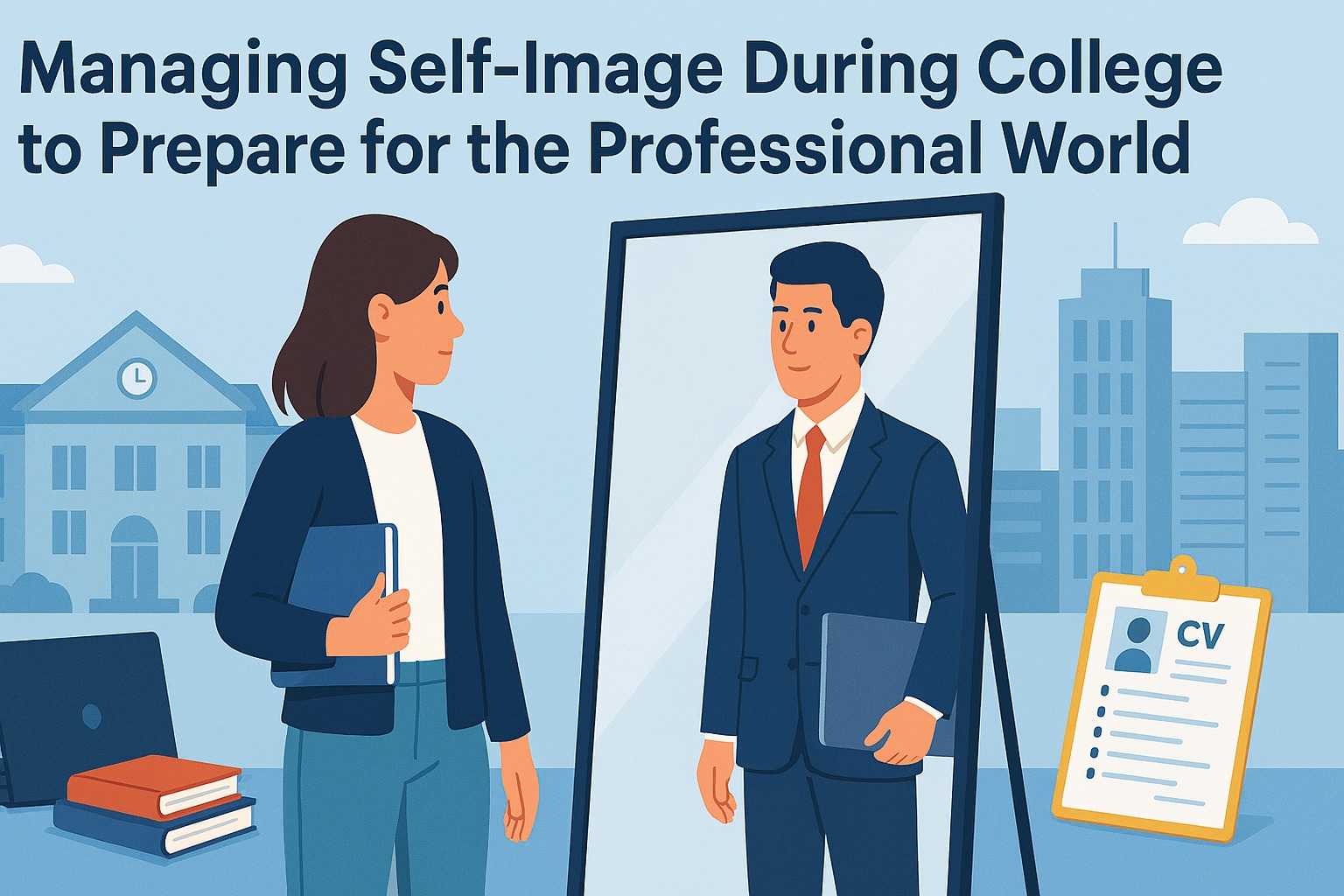
College is often seen as a time to focus on grades, assignments, and graduation targets. However, academic achievement alone is no longer enough to succeed in today’s competitive professional landscape. Employers increasingly value character, communication skills, and reputation just as much as technical knowledge. This is where managing self-image becomes essential.
Self-image during college shapes how others perceive you, from classmates and lecturers to mentors and future recruiters. The habits, attitudes, and behaviors you develop now gradually build a personal reputation that can either open doors or limit opportunities. By consciously managing self-image early on, students can prepare themselves not only to graduate but also to enter the professional world with confidence and credibility.
UNDERSTANDING WHAT SELF-IMAGE REALLY MEANS
Self-image refers to the overall impression others have of you based on your behavior, mindset, and interactions. It is not about pretending to be perfect or creating a fake persona. Instead, it reflects how consistently you demonstrate responsibility, integrity, and professionalism in daily life.
In a college environment, self-image is formed through simple yet meaningful actions. The way you participate in class discussions, meet deadlines, communicate with peers, and handle challenges all contribute to how people evaluate you. Over time, these small impressions combine to create a lasting perception. A positive self-image makes you known as reliable and capable, while a careless attitude can quickly damage trust. Understanding this concept is the first step toward building a strong personal foundation for future success.
WHY SELF-IMAGE MATTERS FOR FUTURE CAREERS
Many students underestimate how much their college reputation influences their career prospects. In reality, lecturers, supervisors, and internship mentors often become references or recommendation sources when applying for jobs. A strong self-image increases the likelihood that others will speak positively about your work ethic and personality.
Employers are not only looking for high academic scores but also for individuals who can collaborate, adapt, and solve problems professionally. Students who consistently show initiative, discipline, and respect are more likely to be trusted with responsibilities and opportunities. A well-managed self-image therefore becomes a competitive advantage, helping graduates stand out in a crowded job market. It signals readiness to handle real-world challenges beyond the classroom.
BUILDING A POSITIVE SELF-IMAGE THROUGH DAILY HABITS
Managing self-image does not require dramatic changes. It starts with everyday habits that reflect maturity and professionalism. Being punctual, completing tasks on time, and honoring commitments show that you value responsibility. These behaviors may seem small, yet they strongly influence how others perceive your reliability.
Communication also plays a critical role. Speaking clearly, listening actively, and expressing opinions respectfully demonstrate emotional intelligence. Students who communicate effectively are often seen as leaders and problem solvers. In addition, maintaining a positive attitude during difficulties shows resilience, a trait highly valued in professional settings.
Consistency is the key factor. One or two good actions are not enough to shape a lasting image. Repeated positive behavior gradually builds trust and credibility, turning everyday discipline into a strong professional identity.
USING EXPERIENCES AND DIGITAL PRESENCE STRATEGICALLY
College offers numerous opportunities to shape self-image through experiences outside the classroom. Participating in organizations, volunteering, competitions, or internships allows students to develop teamwork, leadership, and practical skills. These activities not only enrich knowledge but also demonstrate initiative and commitment. Each experience adds depth to your personal story and strengthens your professional profile.
In the digital era, online presence is equally important. Social media and professional platforms often serve as the first impression for recruiters. Sharing achievements, projects, or thoughtful insights can highlight your competence and interests. On the other hand, careless or negative content may harm your reputation. Managing digital behavior wisely helps ensure that your online image aligns with the professional identity you want to present. A clean and purposeful digital footprint supports credibility and reinforces your personal brand.
PREPARING FOR THE PROFESSIONAL WORLD WITH CONFIDENCE
Ultimately, managing self-image during college is an investment in your future. Students who develop a strong and authentic image tend to feel more confident when entering internships, job interviews, and workplace environments. They understand their strengths, communicate effectively, and adapt more easily to professional expectations.
A positive self-image also fosters long-term growth. It encourages continuous learning, self-improvement, and accountability. Rather than worrying about how to impress others, students can focus on becoming competent and dependable individuals. This mindset naturally attracts opportunities and professional relationships.
By taking small but consistent steps to manage self-image today, college students prepare themselves to face the professional world with clarity, readiness, and resilience. In the end, reputation built during college can become one of the most valuable assets in a lifelong career journey.
Tentang Penulis
Gusti Ayu Tita P
Penulis — Universitas STEKOM
Penulis aktif yang berfokus pada isu-isu akademik, teknologi pendidikan, dan pengembangan sumber daya manusia di lingkungan kampus.