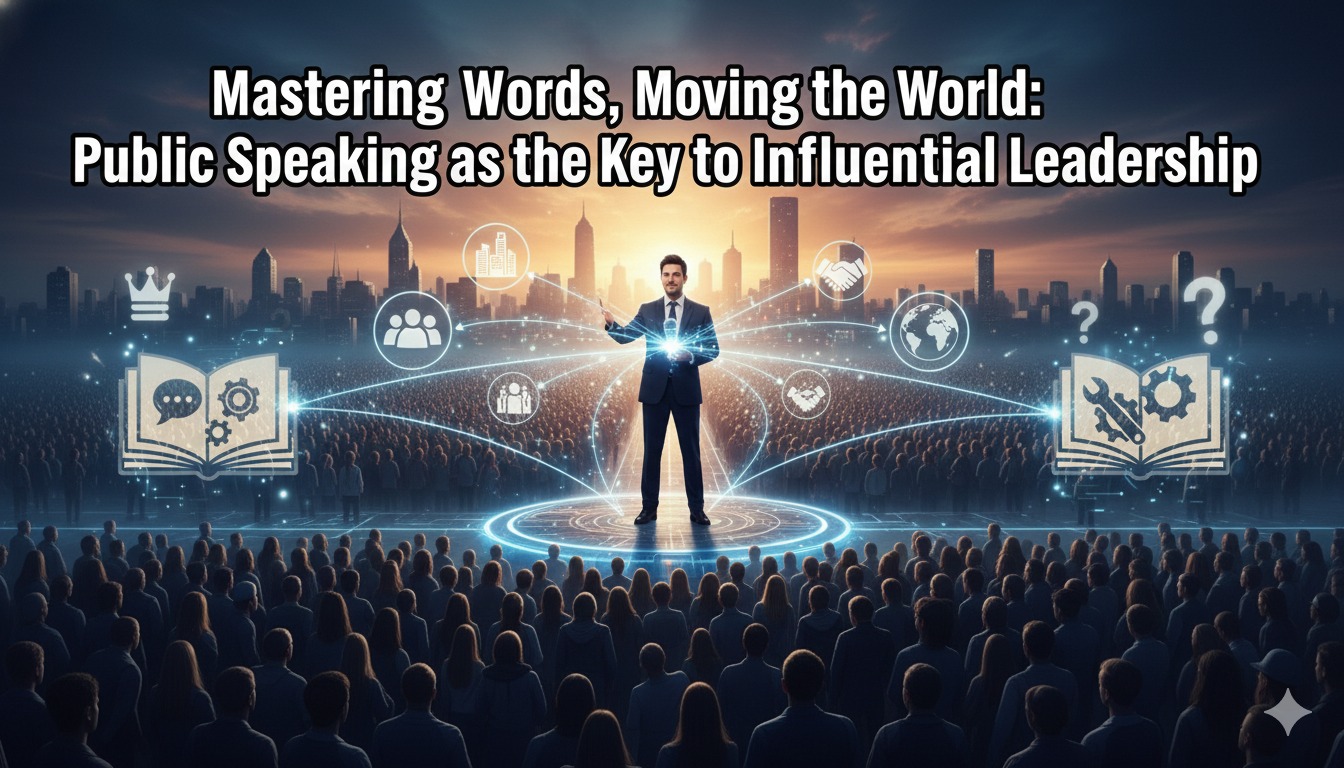
The Power of Words: Public Speaking as the Key to Building Personal Influence
Words have a power that is often underestimated. Through well-crafted sentences, a person can build trust, change perspectives, and even inspire many people to take action. In an increasingly open and competitive world, the ability to communicate ideas clearly is no longer just an added value, but a necessity. This is where public speaking plays an essential role as a skill that shapes a person’s influence in many aspects of life.
Public speaking is not limited to speaking on a stage or in front of a large audience. More than that, it reflects how someone manages thoughts, emotions, and messages so they can be received effectively. This article explores why public speaking is a key factor in building an influential personality and how this skill can be developed sustainably.
Public Speaking as the Art of Communicating Ideas
Public speaking is the art of communicating ideas effectively to others. A good speaker does not merely deliver information but also builds an emotional connection with the audience, making the message easier to understand and remember.
In practice, public speaking involves structuring messages clearly, choosing appropriate words, and adapting the speaking style to the audience. When ideas are delivered clearly and persuasively, listeners become more open to accepting and considering the message. This is what distinguishes ordinary speaking from impactful communication.
The Role of Public Speaking in Building Influence
Influence does not always come from position or authority, but from the ability to shape how others think and act. Public speaking serves as a primary tool in this process because verbal communication bridges ideas and action.
Some important roles of public speaking in building influence include:
* Enhancing personal credibility
Clear, confident, and structured speech makes a person appear more competent and trustworthy.
* Building trust and empathy
Through tone, expression, and word choice, a speaker can convey sincerity and foster stronger connections with the audience.
* Inspiring action
Effective public speaking goes beyond sharing information; it motivates changes in attitudes or behavior aligned with the speaker’s goals.
Influence built through effective communication tends to last longer because it grows from understanding rather than coercion.
Key Components of Effective Public Speaking
To create real impact, public speaking requires several essential components that must be practiced consistently.
* Mastery of the subject matter
A speaker who understands the topic deeply will speak with greater confidence and flexibility.
* Body language and vocal delivery
Gestures, eye contact, tone, and pace significantly strengthen the message when aligned with spoken words.
* Clear message structure
A well-organized message helps the audience follow the flow of ideas, from a strong opening to a memorable conclusion.
These components work together as the foundation of influential public speaking.
Public Speaking in Everyday Life
Many people assume public speaking is only for public figures or leaders. In reality, this skill is highly relevant in daily life—during classroom discussions, workplace presentations, or when expressing opinions in group settings.
The ability to speak clearly and persuasively helps individuals convey ideas without misunderstanding. It also builds confidence and courage, both of which are crucial for navigating social and professional challenges.
Developing Public Speaking Skills Sustainably
Public speaking is not merely an innate talent but a skill that can be developed through consistent practice. Regular training can significantly improve how someone communicates and influences others.
Practicing in front of a mirror, participating in discussions, or joining organizations that encourage active communication are effective starting points. Being open to feedback and evaluation also helps identify areas for improvement. Over time, public speaking can become a powerful personal strength.
Conclusion
Mastering words means mastering the ability to express thoughts clearly, persuasively, and meaningfully. Public speaking is more than a speaking skill; it is a key to building influence, trust, and leadership across many areas of life. By developing public speaking consistently, individuals can shape the world around them through the conscious and purposeful use of words.
Tentang Penulis
Gusti Ayu Tita
Penulis — Universitas STEKOM
Penulis aktif yang berfokus pada isu-isu akademik, teknologi pendidikan, dan pengembangan sumber daya manusia di lingkungan kampus.