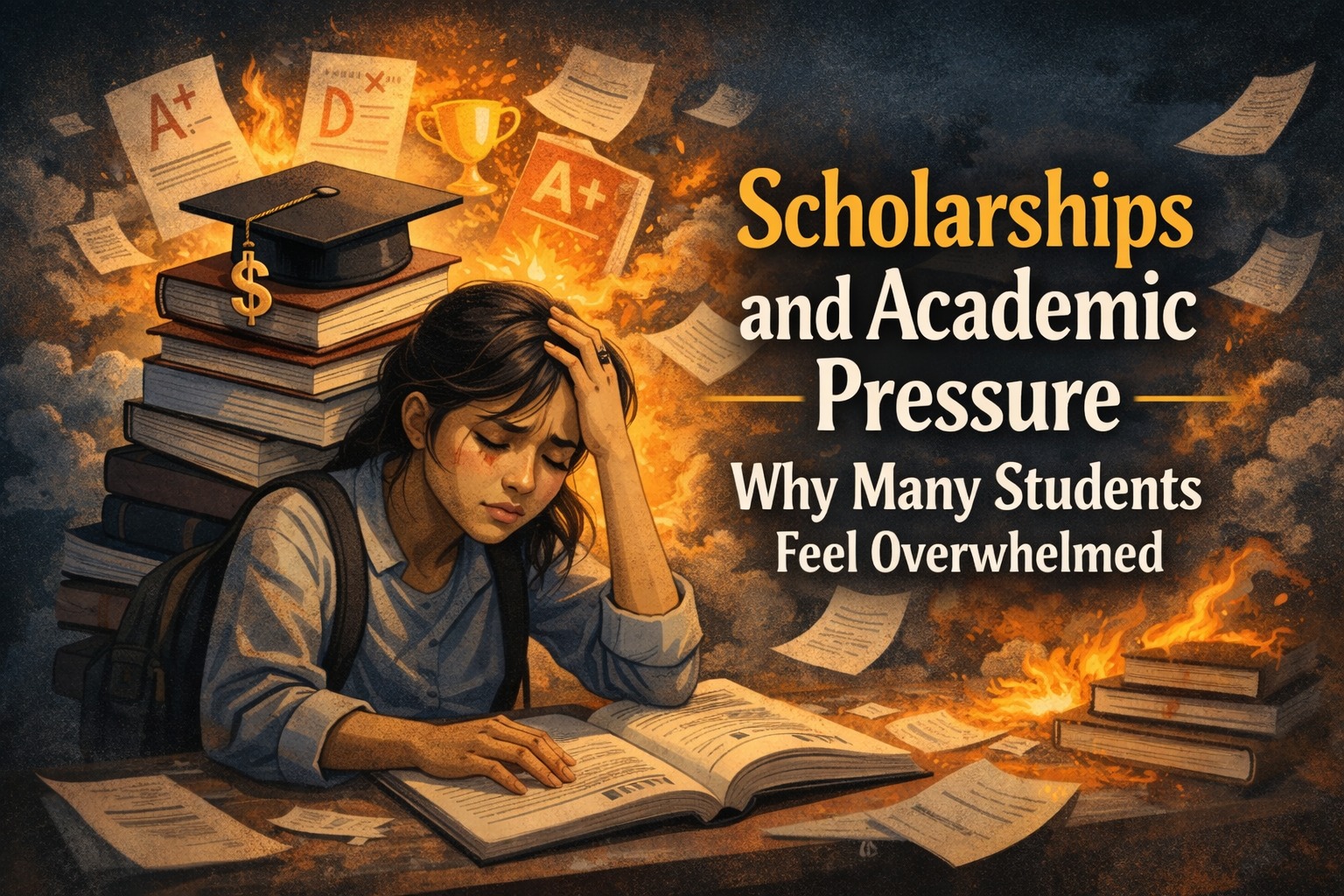
Scholarships are widely viewed as life changing opportunities. They reduce financial stress, open access to quality education, and reward academic excellence. For many students, earning a scholarship is a moment of pride and relief. However, behind the recognition and celebration, there is a side of the story that is rarely discussed.
While scholarships provide support, they can also create intense academic pressure. Many students feel overwhelmed by expectations, performance standards, and the fear of losing their funding. Understanding this hidden reality is essential to building a healthier academic environment.
THE HIGH COST OF HIGH EXPECTATIONS
Receiving a scholarship often means maintaining a specific grade point average. In some cases, students must consistently rank among the top performers in their class. This requirement can transform learning into a constant competition.
Instead of focusing on understanding concepts deeply, students may prioritize scores above all else. Every assignment becomes critical. Every exam feels like a make or break moment. Over time, this pressure can lead to anxiety, sleep problems, and emotional exhaustion.
The scholarship that once symbolized achievement can slowly become a source of stress.
FEAR OF LOSING FINANCIAL SUPPORT
For many recipients, scholarships are not simply awards. They are essential financial lifelines. Tuition fees, housing costs, and daily expenses often depend entirely on continued funding.
This reality creates a persistent fear of failure. A single academic setback may threaten their ability to stay enrolled. As a result, students may avoid challenging courses or new experiences that carry academic risk.
The constant awareness that funding is conditional can make it difficult to relax, even during breaks.
SOCIAL AND FAMILY PRESSURE
Scholarship recipients are often seen as role models in their families and communities. Parents may express pride and place high hopes on their children’s future. Friends and relatives may expect consistent success.
Although this support is encouraging, it can also feel overwhelming. Students may hesitate to admit struggles or mental fatigue. They worry about disappointing the people who believe in them.
This silent pressure can increase feelings of isolation. Instead of seeking help, students may internalize stress and attempt to handle everything alone.
COMPETITION AND COMPARISON
Scholarship programs frequently bring together high achieving individuals. Being surrounded by equally talented peers can inspire growth, but it can also trigger comparison.
Students may begin to question their abilities. They may feel that they are not as capable as others in the program. Even strong academic performance might not feel enough.
These feelings often relate to impostor syndrome, where students doubt their own achievements despite clear evidence of success. Over time, this mindset can damage self confidence and overall well being.
IMPACT ON MENTAL HEALTH
Academic pressure does not only affect grades. It directly influences mental health. Prolonged stress can contribute to burnout, anxiety disorders, and depression.
When students tie their identity solely to academic performance, setbacks become deeply personal. A lower grade may feel like a failure of character rather than a normal part of learning.
Without proper support systems, the emotional toll can become overwhelming.
BUILDING A HEALTHIER SCHOLARSHIP CULTURE
Addressing scholarship related pressure requires collaboration between institutions, families, and students. Universities can provide accessible counseling services, flexible academic policies, and mentorship programs. Clear communication about expectations and available support is equally important.
Families and communities can help by emphasizing growth over perfection. Encouraging open conversations about stress reduces stigma and allows students to seek assistance when needed.
Scholarships should empower students, not burden them with fear. By creating environments that value balance and well being, academic success can coexist with mental health.
CONCLUSION
Scholarships remain powerful tools for expanding educational access and rewarding hard work. However, the pressure associated with maintaining them can leave many students feeling overwhelmed.
Recognizing the emotional challenges tied to scholarship programs is the first step toward meaningful change. When academic achievement is balanced with compassion and support, scholarships can truly fulfill their purpose as gateways to opportunity rather than sources of constant anxiety.
Tentang Penulis
Gusti Ayu Tita P
Penulis — Universitas STEKOM
Penulis aktif yang berfokus pada isu-isu akademik, teknologi pendidikan, dan pengembangan sumber daya manusia di lingkungan kampus.