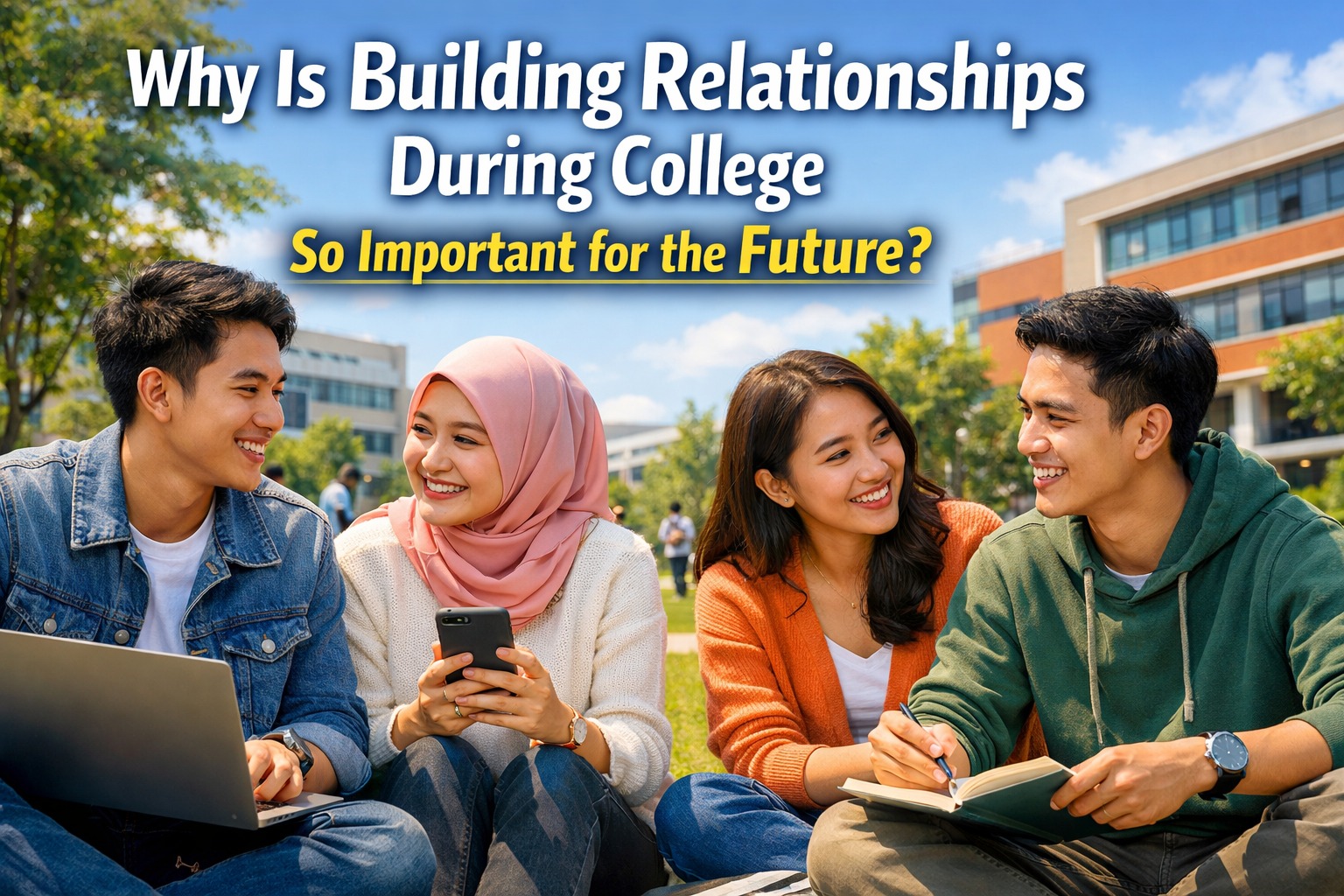
College is not only a place to gain academic knowledge, but also a crucial stage for building meaningful relationships. While grades and achievements matter, the connections students form during college often play an equally powerful role in shaping their future careers and personal growth. Strong college relationships can open doors to opportunities, collaboration, and long-term success.
Expanding Career Opportunities
One of the biggest advantages of building relationships during college is access to wider career opportunities. Classmates today may become colleagues, business partners, or industry leaders in the future. Staying connected increases the chances of receiving job recommendations, referrals, or information about vacancies.
Many job opportunities are shared through professional networks rather than public advertisements. By maintaining good relationships with peers, seniors, lecturers, and alumni, students create a support system that can help them enter the workforce more smoothly after graduation.
Developing Soft Skills
Building relationships in college helps students develop essential soft skills such as communication, teamwork, empathy, and leadership. Group assignments, student organizations, and campus events require collaboration with different personalities and backgrounds.
These experiences prepare students for real workplace situations where cooperation and emotional intelligence are highly valued. Employers often prioritize candidates who can work effectively in teams and build positive professional relationships.
Creating a Support System
College life can be challenging academically and emotionally. Having supportive friends and mentors makes it easier to handle stress, deadlines, and personal struggles. A strong support system encourages motivation, resilience, and confidence.
In the long term, these relationships may continue beyond graduation. Trusted friends and mentors can provide career advice, business partnerships, or even emotional encouragement during major life decisions.
Building Professional Reputation
The way students interact with others in college contributes to their personal and professional reputation. Being responsible, respectful, and cooperative helps build a positive image that others will remember.
Reputation spreads quickly within networks. When someone is known as reliable and proactive, people are more likely to recommend or collaborate with them in the future. College is the perfect environment to start building that professional identity.
Encouraging Personal Growth
Interacting with diverse individuals exposes students to different perspectives, cultures, and ideas. This broadens their mindset and improves adaptability. Students learn how to manage conflicts, negotiate differences, and respect varying opinions.
These qualities are essential for long-term success in both professional and personal life. Relationships built during college often shape character, confidence, and social awareness.
Conclusion
Building relationships during college is not just about making friends—it is about creating a foundation for future success. Strong networks provide career opportunities, emotional support, skill development, and long-term collaboration possibilities. While academic achievement remains important, meaningful connections often become the bridge between education and real-world success.
Tentang Penulis
Gusti Ayu Tita P
Penulis — Universitas STEKOM
Penulis aktif yang berfokus pada isu-isu akademik, teknologi pendidikan, dan pengembangan sumber daya manusia di lingkungan kampus.