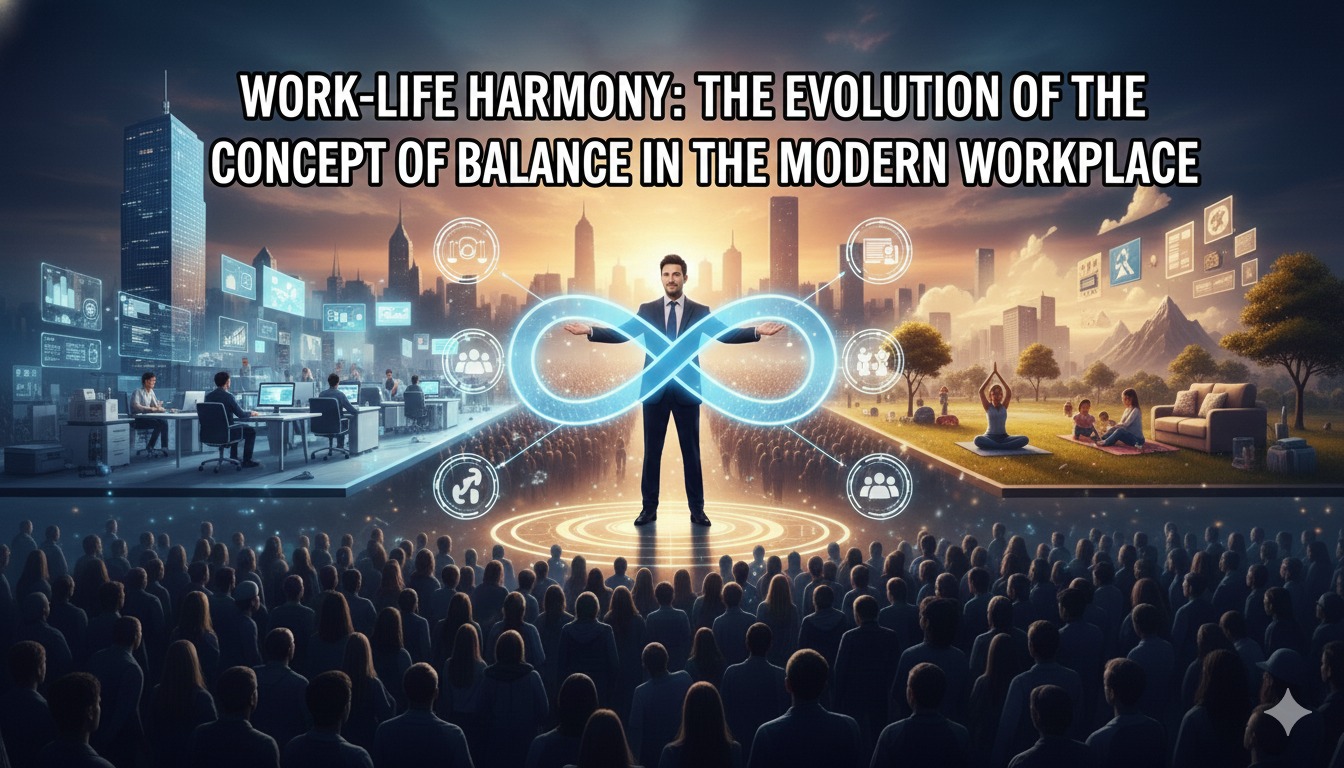
Work-Life Harmony: A More Relevant Approach for the Modern Workplace
Work-life harmony is increasingly discussed in today’s working world. In the past, the focus was mainly on work-life balance, which emphasized a clear separation between personal and professional life. However, harmony is now considered more relevant. A constantly evolving work environment, rapid digitalization, and flexible lifestyles require workers to adopt a more dynamic approach to maintaining well-being.
Work-life harmony is a modern adaptation that emphasizes how work and personal life can complement each other rather than compete. By understanding this concept, modern workers can find more natural ways to remain productive without sacrificing happiness.
Understanding the Shift from Work-Life Balance to Work-Life Harmony
Work-life balance focuses on dividing time equally between work and personal life. In practice, however, many workers find this difficult to apply, especially with flexible schedules and digital work demands. This is where work-life harmony emerges as a more suitable solution.
Work-life harmony emphasizes alignment rather than time division. Personal life and work can support each other based on individual needs, allowing greater flexibility without feelings of guilt or pressure. This approach is better suited to a modern environment that is constantly changing and unpredictable.
This concept highlights that balance is not about equal time allocation, but about finding a rhythm that supports mental, physical, and professional needs.
Factors Driving the Evolution of the Balance Concept
Several factors have made work-life harmony a more relevant approach in today’s workplace, including:
Technological Advancement
Technology enables work to be done anywhere and anytime. However, without proper management, it can blur the boundaries between work and personal life.
Changing Lifestyles of Modern Generations
Younger generations tend to seek meaning and fulfillment in their careers. They desire lives that align career growth with health and social relationships.
Flexible Work Models
Hybrid and remote work systems encourage more adaptive working styles, reducing dependence on rigid schedules.
Increased Mental Health Awareness
Workers are now more aware of emotional well-being. Harmony allows individuals to maintain health while pursuing their careers.
New Skill Demands
Modern jobs require creativity, flexibility, and sustained focus, all of which depend on a harmonious mental state.
Differences Between Work-Life Balance and Work-Life Harmony
Although often used interchangeably, work-life balance and work-life harmony differ in approach. Work-life balance focuses on time separation, while work-life harmony emphasizes synergy.
Work-life balance requires dividing time between work and personal life to achieve equilibrium, but in today’s fast-paced digital era, this model can feel rigid. In contrast, work-life harmony encourages natural adjustment, allowing both aspects of life to coexist without conflict.
With harmony, individuals do not need to enforce strict boundaries but instead adapt to daily needs—such as finishing work earlier to spend time with family or taking short breaks during the day when energy levels decline.
How to Create Work-Life Harmony in the Digital Era
Achieving work-life harmony requires building new habits, routines, and awareness in managing time and energy. Some practical steps include:
1. Aligning Work Rhythm with Personal Energy Levels
Everyone has different energy patterns. Recognizing these rhythms helps create more effective schedules.
2. Creating a Comfortable and Flexible Workspace
A supportive work environment improves focus and reduces stress without disrupting personal life.
3. Managing Technology Wisely
Technology should assist, not dominate. Managing notifications, using focus features, and scheduling offline time help maintain harmony.
4. Making Time for Self-Care
Self-care is an essential part of harmony. Activities such as light exercise, journaling, or meditation help maintain mental stability and energy.
The Role of Companies in Building Work-Life Harmony
Work-life harmony is not solely the responsibility of workers. Companies play a major role in creating supportive environments. When organizations prioritize employee well-being, productivity and loyalty increase significantly.
Company support may include:
* Flexible work systems
* Mental health–oriented policies
* Transparent communication
* Personal development programs
* Work cultures that respect personal boundaries
Organizations that balance business needs with employee well-being foster positive and productive work ecosystems.
Benefits of Work-Life Harmony for Modern Workers
When harmony between work and life is achieved, its impact is far-reaching. Benefits include:
* Greater mental stability
* Increased productivity
* Healthier social relationships
* Enhanced creativity
* Sustained physical energy
Work-life harmony not only improves happiness but also strengthens overall quality of life.
Conclusion
Work-life harmony represents a new way of organizing work and life. Rather than relying on rigid time division, it encourages flexibility and adaptation between personal needs and professional responsibilities. With mindful use of technology, flexible work styles, and growing mental health awareness, harmony becomes a realistic goal for modern workers.
This concept not only boosts productivity but also builds a more meaningful, stable, and fulfilling life.
Tentang Penulis
Gusti Ayu Tita
Penulis — Universitas STEKOM
Penulis aktif yang berfokus pada isu-isu akademik, teknologi pendidikan, dan pengembangan sumber daya manusia di lingkungan kampus.