Is Indonesia’s Education System Ready for School Digitalization?
The rapid development of technology has driven the rise of digitalization in the education sector. From online learning and school management applications to computer-based examinations, all of these are part of the effort to create modern, efficient, and adaptive schools.
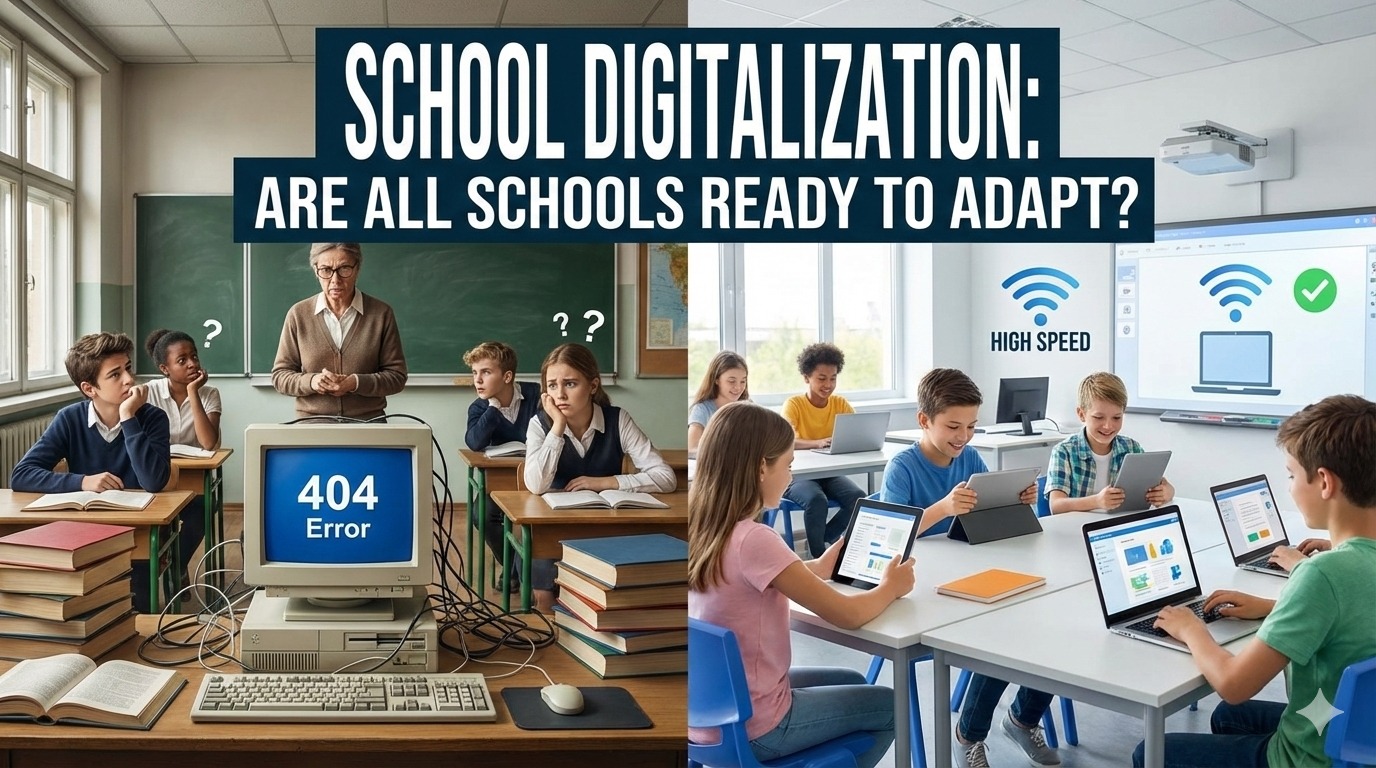
However, an important question remains: are all schools in Indonesia truly ready to face this digital transformation?
THE MEANING OF SCHOOL DIGITALIZATION
School digitalization is not merely about using devices such as computers and the internet. More than that, it represents a shift in teaching and learning culture that relies on technology as a key support system.
From school administration and learning processes to student assessment, everything is designed to be faster, more transparent, and easily accessible.
Nevertheless, each school’s level of readiness varies greatly—depending on resources, infrastructure, and the digital competence of educators.
THE BENEFITS OF DIGITALIZATION IN EDUCATION
Digitalization offers many opportunities for schools and students, including:
Efficiency in Learning and Administration
Digital systems allow teachers to manage grades, attendance, and assignments more automatically and efficiently.
Broader Access to Learning
Students can access global learning resources, participate in online courses, and collaborate across schools.
More Engaging and Interactive Learning
Technology enables teachers to present materials through videos, quizzes, and digital simulations that are easier to understand.
Transparency and Accountability
Parents can monitor their children’s academic progress directly through digital school platforms.
GAPS AND ADAPTATION CHALLENGES
Despite its potential, not all schools are ready to implement digitalization. Common challenges include:
Unequal internet access, especially in rural areas
Limited availability of digital devices for students and teachers
Lack of digital literacy training for educators
High operational costs for developing and maintaining digital school systems
As a result, digitalization tends to work optimally only in schools with adequate facilities.
STEPS TOWARD EQUITABLE DIGITAL READINESS
To ensure all schools can adapt to the digital era, concrete actions from various stakeholders are needed, such as:
The government improving technological infrastructure and internet networks in underserved areas
Schools providing regular digital literacy training for teachers and staff
Collaboration with private sectors or universities to develop digital learning platforms
Raising parental awareness about the importance of supporting technology-based learning
With strong synergy, digitalization can become a tool for educational equity rather than widening existing gaps.
CONCLUSION
School digitalization holds great promise for the future of education in Indonesia. However, readiness remains a major challenge. Digital transformation is not just about devices and applications—it requires commitment, continuous training, and equitable infrastructure.
Digitalization will truly be beneficial when every student, teacher, and school has equal opportunities to transform and grow in the era of digital education.
About the Author
Gusti Ayu Tita
Author — STEKOM University
An active author focused on academic issues, educational technology, and human resource development in the campus environment.