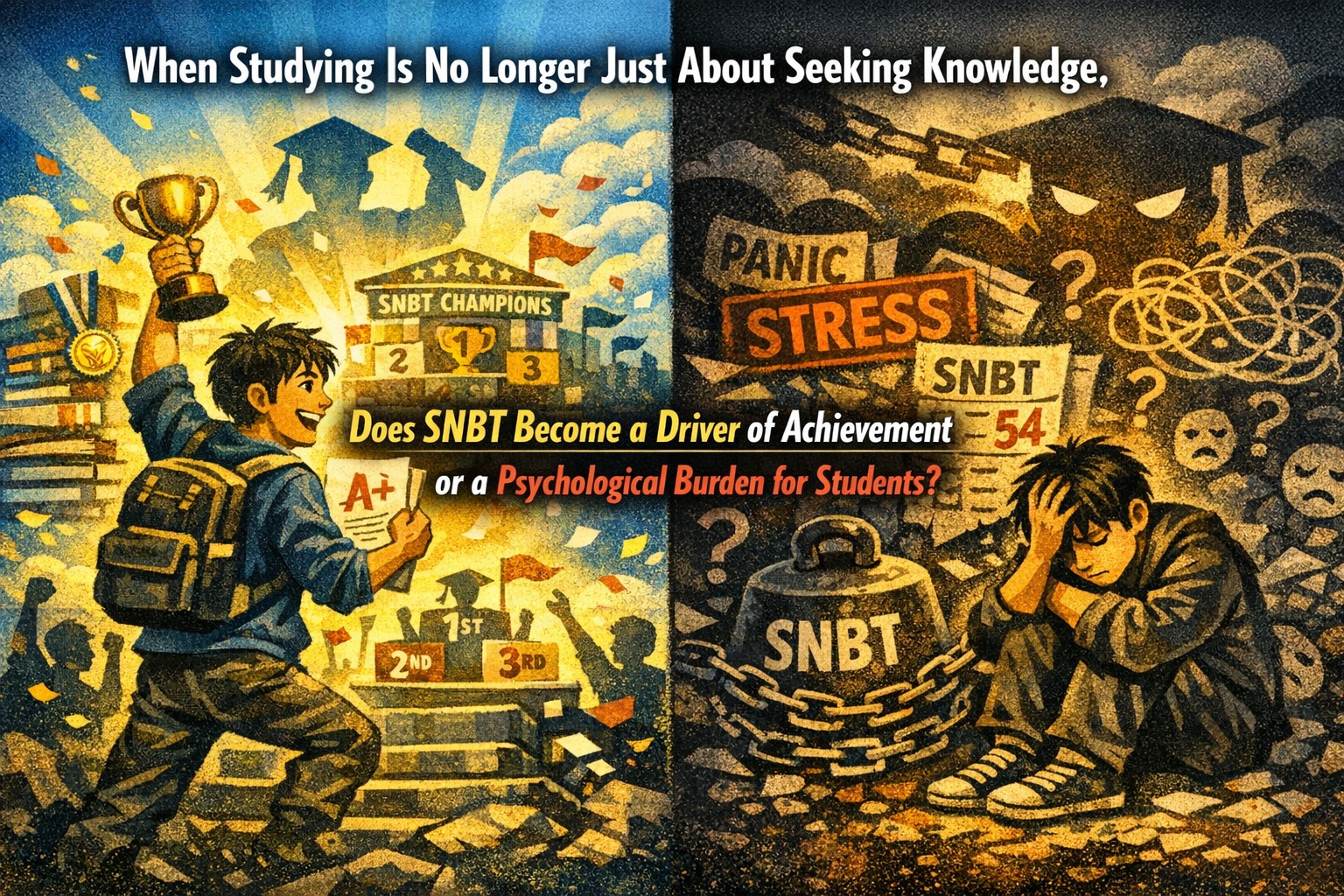
In an increasingly advanced digital era, technology is no longer just a part of entertainment or communication—it also plays a crucial role in education. For students, technology opens various opportunities to enhance learning productivity. With easy access to digital resources and learning tools, students can study more efficiently, manage their time better, and collaborate more effectively. But how exactly does technology help students become more productive amid countless digital distractions and temptations?
This article explores how technology contributes to boosting student productivity in the digital age.
TECHNOLOGY CHANGES HOW STUDENTS ACCESS AND PROCESS INFORMATION
One of the main ways technology improves student productivity is by providing unlimited access to useful information. In the past, students relied on textbooks and teacher explanations. Today, they can explore far more extensive materials through the internet.
1. Easy Access to Learning Resources
Through platforms like Google Scholar, YouTube, and Coursera, students can access learning videos, articles, scientific journals, and various educational materials from diverse sources. This allows them to deepen their understanding independently and view topics from multiple perspectives.
With such accessibility, students can grasp difficult subjects more quickly, directly increasing their learning productivity.
2. Learning Adapted to Personal Styles
Every student has a different learning style. Some prefer visuals, some learn better through audio, and others prefer interactive methods. Technology provides learning media tailored to individual preferences.
Platforms like Khan Academy and Duolingo offer personalized learning experiences based on each student's skill level and pace.
TIME MANAGEMENT APPS AND TOOLS FOR STUDENTS
Beyond information access, technology helps students stay more organized in managing their time and tasks. Good time management is a key factor in productivity. Here are several ways technology supports students in staying disciplined:
1. Task and Time Management Apps
Apps like Todoist, Google Calendar, and Trello allow students to plan tasks, set deadlines, and prioritize their work. With reminders and notifications, students can track their progress and ensure no tasks are missed.
2. Pomodoro Technique Supported by Technology
The Pomodoro Technique—25 minutes of focused study followed by a short break—is made easier with apps like Be Focused or Pomodone. These tools help students maintain concentration and reduce burnout during long study sessions.
3. Time Control with Digital Timers
Digital timers or countdown apps allow students to manage study sessions efficiently, minimize wasted time, and stay focused on specific tasks.
EFFECTIVE COLLABORATION AND COMMUNICATION THROUGH TECHNOLOGY
Technology also boosts student productivity through more efficient collaboration and communication—especially as modern assignments often require group work.
1. Online Collaboration Platforms
Platforms like Google Docs, Microsoft Teams, and Slack enable real-time collaboration, document sharing, and discussions regardless of time and location.
2. Video Conferencing for Group Discussions
Apps such as Zoom, Google Meet, and Skype support virtual meetings, helping students discuss ideas or communicate directly with peers and teachers.
3. Discussion Forums and Online Learning Communities
Students can join online communities such as Stack Exchange, Reddit, or WhatsApp study groups. These platforms allow them to exchange knowledge, ask questions, and get answers from peers or experts.
REDUCING DISTRACTIONS AND IMPROVING FOCUS WITH TECHNOLOGY
Despite digital distractions, technology also provides solutions to help students stay focused.
1. Distraction-Blocking Apps
Apps like Freedom, Cold Turkey, and Focus@Will can block distracting websites or apps such as social media, YouTube, or games.
2. Focus Mode on Devices
Most devices now feature focus or "Do Not Disturb" modes that minimize interruptions from notifications or calls.
CHALLENGES THAT NEED TO BE CONSIDERED
Despite the benefits, technology also presents challenges:
Overdependence on Technology
Excessive reliance on digital tools can reduce a student’s ability to learn independently without technological support.
Access Inequality
Not all students have equal access to devices or fast internet, creating disparities in educational experiences.
CONCLUSION: TECHNOLOGY AS A CATALYST FOR STUDENT PRODUCTIVITY
Technology has tremendous potential to boost student productivity—when used wisely. With time management tools, interactive learning apps, and collaboration platforms, students can study more efficiently, stay more organized, and collaborate more effectively.
Technology also helps reduce distractions and maintain focus. However, to fully maximize productivity, students must balance technology use with independent learning skills.
About the Author
Gusti Ayu Tita
Author — STEKOM University
An active author focused on academic issues, educational technology, and human resource development in the campus environment.