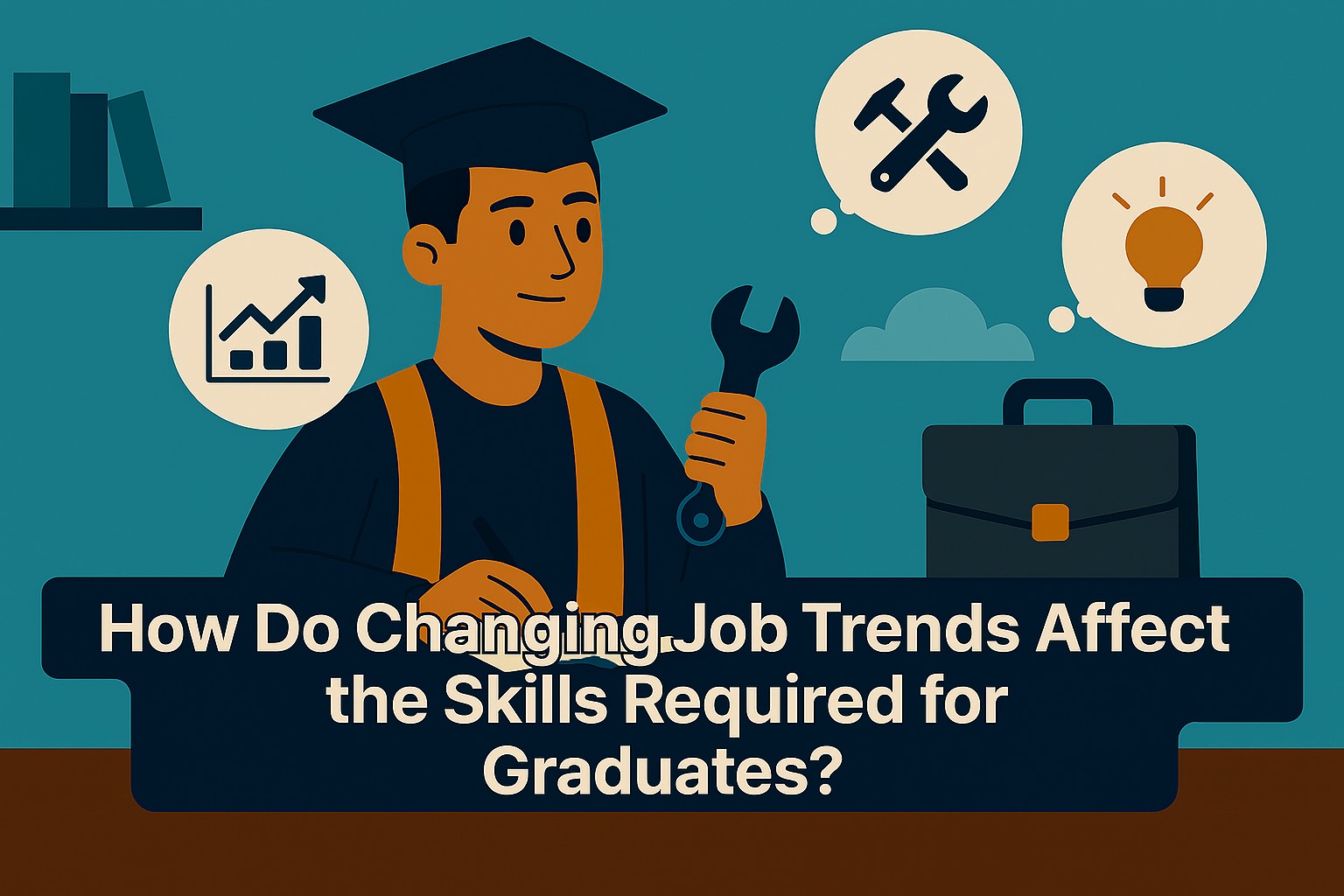
The world of work continues to evolve with technological advancements and changing market needs. These changing trends not only affect the types of jobs available but also the skills required by graduates to succeed in the job market. Students and graduates who do not follow workplace trends risk being unable to meet employer expectations. This article will discuss how changes in workplace trends affect the skills required by graduates and how they can prepare to face these challenges.
SIGNIFICANT CHANGES IN WORKPLACE TRENDS
Workplace trends are heavily influenced by factors like technological advancements, globalization, and shifts in work patterns. Digitalization and automation have transformed the way many industries operate, leading to the automation of jobs that were once manual. Sectors like marketing, finance, and logistics now demand a workforce with strong technological and data skills. Additionally, with the growing demand for remote work, companies are increasingly prioritizing employees who have the skills to work independently and in digital environments.
These changes create a demand for new skills that are more relevant to the evolving ways of working. Graduates who do not adjust their skills to these changes may struggle to compete in an increasingly competitive job market.
INCREASING DEMAND FOR TECHNICAL SKILLS
One of the most significant impacts of changes in workplace trends is the increased demand for technical skills, particularly those related to technology. Skills in big data processing, artificial intelligence (AI), cybersecurity, and software development are now highly sought after across nearly all industry sectors. Many companies are looking for graduates with expertise in these areas to improve their efficiency and competitiveness.
For example, companies in the finance sector are increasingly seeking professionals with data analysis and programming skills to manage transactions and identify patterns that can enhance profitability. Graduates with these technical skills will be better prepared to meet the growing demands of the market.
INCREASINGLY IMPORTANT SOFT SKILLS
In addition to technical skills, soft skills are becoming more important in an increasingly connected and dynamic work environment. Companies are not only looking for employees with technical expertise but also those who can communicate effectively, work in teams, and demonstrate leadership. Changes in workplace trends, such as the adoption of remote work and virtual teams, require stronger communication skills and the ability to collaborate despite being in different locations.
Critical thinking, creative problem-solving, and managerial and interpersonal skills are highly valued by companies. Graduates who can demonstrate the ability to work with various stakeholders, both directly and through digital platforms, will have an advantage in the job market.
THE NEED FOR DIGITAL SKILLS AND ADAPTABILITY
The rapid pace of technological advancement requires every professional to have strong digital skills. Graduates across fields are now expected to not only master basic digital tools but also have in-depth knowledge of the platforms and software used in their industries. For instance, marketing graduates must be proficient in using digital marketing tools such as Google Analytics, SEO, and social media to optimize campaign reach and effectiveness.
Moreover, the ability to quickly adapt to changes in technology and market conditions has become an increasingly important skill. The modern workforce prioritizes individuals who can quickly learn and adapt to changes, whether in technology or work environments.
CREATIVITY AND INNOVATION SKILLS
With automation and AI taking over many tasks once performed by humans, creativity and innovation have become essential skills for jobs that cannot be fully replaced by technology. Graduates with the ability to think outside the box and create new solutions will have better chances of succeeding in the workforce.
Creative industries, design, and product and service innovation now heavily rely on individuals who can generate new ideas that can change how a company or industry operates. Therefore, students and graduates need to develop creativity and critical thinking skills to remain relevant in an increasingly complex job market.
CONCLUSION
Changes in workplace trends have a significant impact on the skills required by graduates. Technical skills such as expertise in technology and data analysis, soft skills in communication and teamwork, and the ability to adapt quickly are becoming critical. Graduates who can adjust to these changes will be better equipped to enter the workforce and compete in a market that is increasingly competitive. By preparing early for the changes in workplace trends, students can ensure that their careers remain dynamic and successful in the future.
About the Author
Gusti Ayu Tita
Author — STEKOM University
An active author focused on academic issues, educational technology, and human resource development in the campus environment.