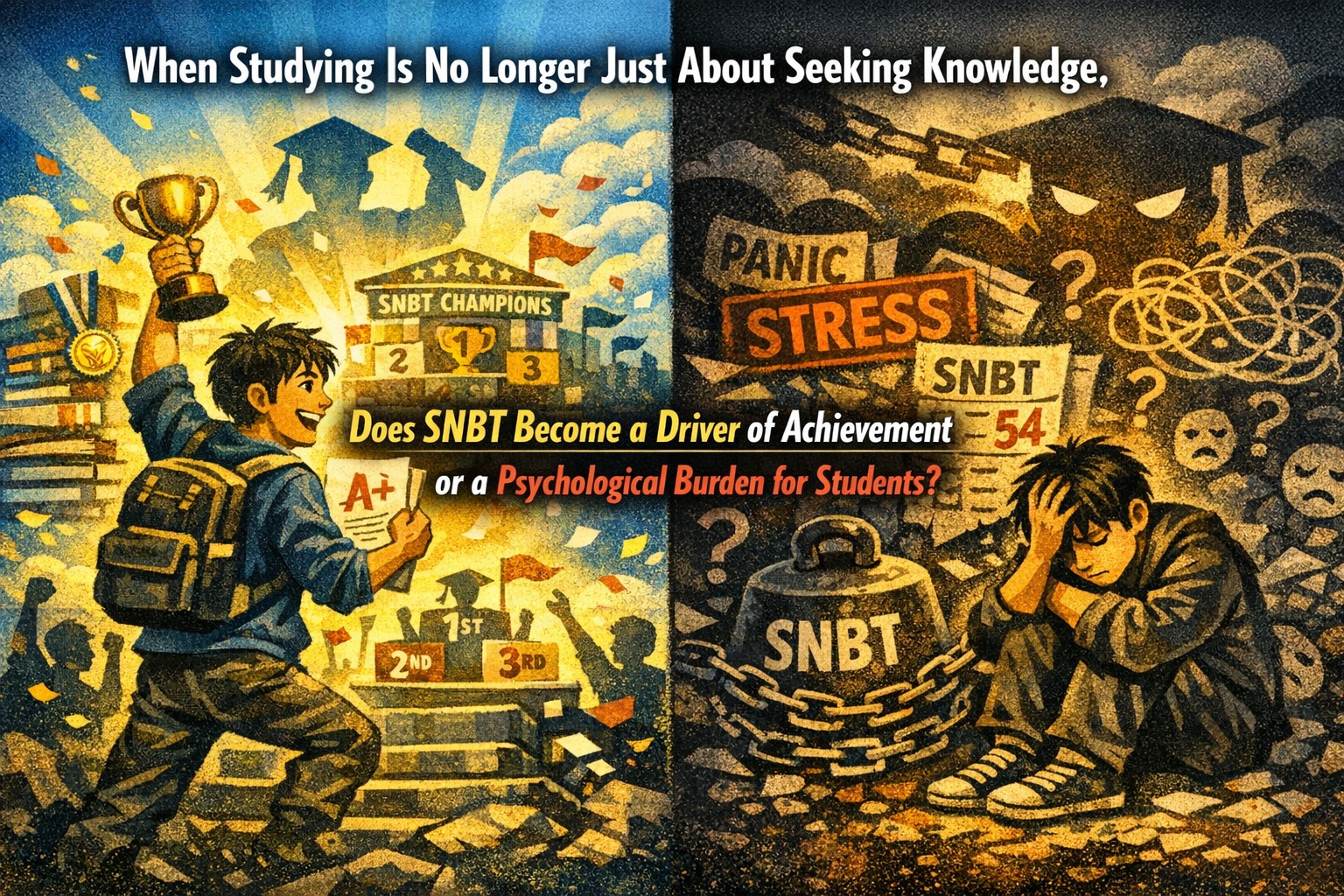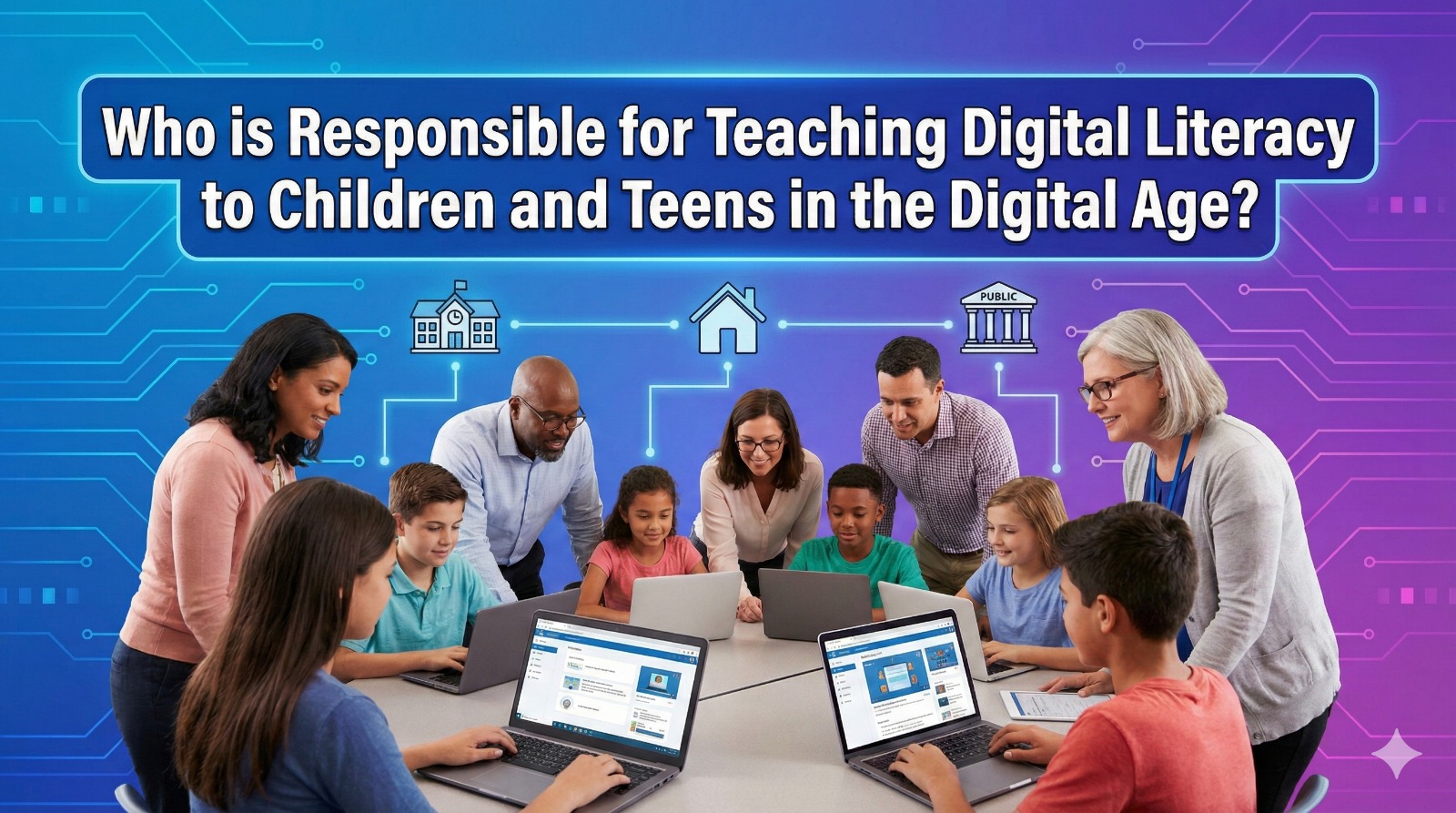
In the midst of rapidly advancing technology, children and teenagers are growing up in an environment surrounded by the internet, social media, and artificial intelligence. They are digital natives, but that does not automatically mean they have strong digital literacy skills. Many still lack the ability to use technology safely, critically, and ethically.
This raises an important question:
Who is responsible for teaching digital literacy to children and teenagers?
The answer is not a single party. Digital literacy is a shared responsibility.
THE ROLE OF PARENTS: THE FIRST FOUNDATION OF DIGITAL LITERACY
1. Modelling Healthy Technology Use
Children learn from what they observe. Parents who use gadgets wisely can more easily build good digital habits in their children.
2. Supervising and Accompanying Digital Activities
This does not mean banning technology, but guiding it:
• setting screen-time limits
• monitoring accessible content
• explaining risks when necessary
3. Teaching Internet Ethics
Just like manners in real life, the digital world also requires ethical behavior:
• not spreading hoaxes
• avoiding cyberbullying
• respecting others’ privacy
Parents are the first and strongest influence in shaping children’s digital behavior.
THE ROLE OF SCHOOLS: A SUPPORTIVE EDUCATIONAL ENVIRONMENT
Schools have a formal and strategic role in developing digital literacy.
1. Integrating Digital Literacy into the Curriculum
Key material includes:
• digital safety
• proper information research
• responsible AI usage
• technology’s impact on society
This must be taught in a structured manner.
2. Teachers as Digital Guides
Teachers serve not only as educators but also as role models in digital behavior:
• using technology properly during lessons
• teaching how to verify credible sources
• guiding respectful digital communication
3. Digital Literacy Programs and Workshops
Extracurriculars, seminars, and training programs allow deeper learning.
THE ROLE OF GOVERNMENT: PROVIDING POLICY AND INFRASTRUCTURE
Digital literacy also falls under the responsibility of the state, as it is part of developing human resources.
1. Regulations and Digital Safety Policies
Governments need to ensure online child protection through:
• data protection laws
• content monitoring
• improved cyber security standards
2. Training for Teachers and the Public
National literacy initiatives help increase technological awareness across the country.
3. Developing Safe and Equitable Internet Infrastructure
Without proper access, digital literacy cannot grow.
THE ROLE OF SOCIETY AND DIGITAL PLATFORMS
Social environments and technology platforms strongly influence digital behavior in youth.
1. Communities as Educational Spaces
Local communities, youth organizations, and public libraries can serve as learning hubs.
2. Digital Platforms Must Be Accountable
Tech companies must:
• provide child-safety features
• offer educational resources for safe usage
• comply with youth-protection regulations
WHY DIGITAL LITERACY MUST BE TAUGHT EARLY
Without sufficient digital literacy, children may face risks such as:
• cyberbullying
• online scams
• exposure to harmful content
• device addiction
• misinformation or disinformation
With proper digital literacy, they can become:
creative, critical, collaborative, and responsible digital citizens.
Conclusion
So—who is responsible for teaching digital literacy in today’s digital era?
The answer: everyone.
• Parents as the foundation
• Schools as formal educators
• Government as regulators
• Society and digital platforms as ecosystem supporters
When all parties work together, children and teenagers can grow not only as tech-savvy individuals but also as wise, critical, and ethical digital users.
About the Author
Gusti Ayu Tita
Author — STEKOM University
An active author focused on academic issues, educational technology, and human resource development in the campus environment.