
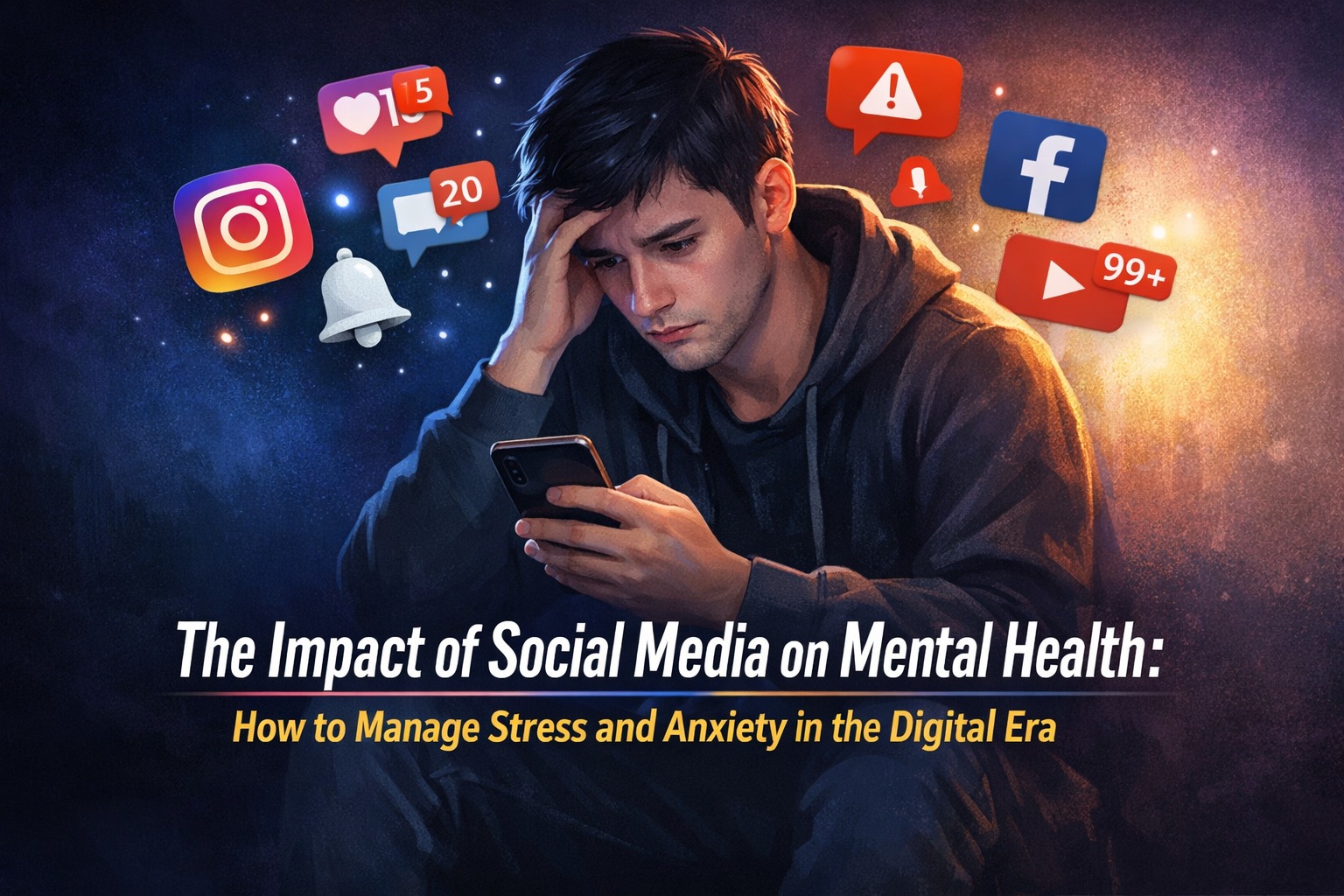
In sudden and high-pressure situations, many people experience the same phenomenon: the body reacts faster than the mind can think. The heart races, breathing becomes rapid, hands tremble—everything happens before the mind has time to assess what is actually occurring. This phenomenon is not a coincidence, but a natural bodily mechanism that has been inherited over time.
This article explains the biological and psychological reasons behind these rapid reactions and why the rational mind tends to lag behind.
How the Nervous System Triggers Rapid Responses
When the body detects a threat, the sympathetic nervous system is immediately activated. This system functions like an automatic alarm that does not wait for logical analysis. Within seconds, the body releases adrenaline to prepare for the “fight or flight” response.
This rapid reaction occurs because the body prioritizes survival. In the past, when threats came from wild animals or physical danger, processing information too slowly could be fatal. That is why the body takes action first, while the mind attempts to understand the situation afterward.
The Role of the Amygdala in Taking Control of the Brain
The amygdala, the brain’s fear-processing center, functions as an instant danger detector. When something is perceived as threatening, the amygdala can send signals directly to the body without involving the logical brain. This process is known as the *low-road pathway*—a shortcut that bypasses in-depth analysis.
As a result, the body reacts rapidly:
- heart rate increases,
- muscles tense,
- pupils dilate,
- blood flow is redirected to the limbs for quick movement.
Meanwhile, the rational mind is still processing what is happening.
Why Does the Mind Appear “Slow” During Panic?
Rational thinking occurs in the prefrontal cortex, a part of the brain that works more slowly because it requires analysis, logic, and risk evaluation. During panic, activity in this area decreases. The body prioritizes speed over accuracy.
Several factors contribute to this delay:
1. Analytical processes take time
The mind must assess information, compare experiences, and make decisions—processes that cannot happen within milliseconds.
2. Stress hormones affect focus
Adrenaline and cortisol narrow attention, making clear thinking difficult.
3. The brain favors instinctive responses
In extreme conditions, logic is considered less effective than automatic survival responses.
Why Can These Fast Reactions Be Beneficial?
Although they may seem disruptive, rapid bodily responses are designed to protect us. These instant reactions can:
- accelerate avoidance of danger,
- temporarily increase physical strength,
- prepare the body to face threats,
- give the mind time to evaluate once the situation becomes safer.
Fast reactions have often saved lives, especially in sudden situations that allow no time for prolonged thinking.
The Impact When Bodily Reactions Are Not Balanced with the Mind
In modern life, threats are not always physical. When the body continues to react intensely to emotional or psychological stress, individuals may experience:
- panic attacks,
- difficulty thinking clearly,
- impulsive actions,
- misinterpretation of situations.
This imbalance makes bodily reactions feel excessive compared to the actual threat.
How to Restore Synchronization Between Body and Mind
Although rapid bodily responses are automatic, they can be regulated through simple techniques:
1. Controlled breathing techniques
Slow, deep breathing sends signals to the body to reduce alertness.
2. Grounding techniques
Touching objects, feeling surfaces, or focusing on surrounding sounds helps calm the nervous system.
3. Awareness of bodily sensations
Recognizing a fast heartbeat or shallow breathing allows the mind to regain control.
4. Mindfulness practice
Training full awareness helps stabilize the brain during stressful situations.
With regular practice, the body and mind can work more harmoniously, even under pressure.
Conclusion
The body reacts faster than the mind during panic because the nervous system is designed to protect survival through instant responses. The amygdala triggers action before logic can engage, while rational thinking requires more time to evaluate circumstances. However, with training and awareness, individuals can learn to slow emotional reactions and maintain mental clarity during stressful situations.
Tentang Penulis
Gusti Ayu Tita
Penulis — Universitas STEKOM
Penulis aktif yang berfokus pada isu-isu akademik, teknologi pendidikan, dan pengembangan sumber daya manusia di lingkungan kampus.



