
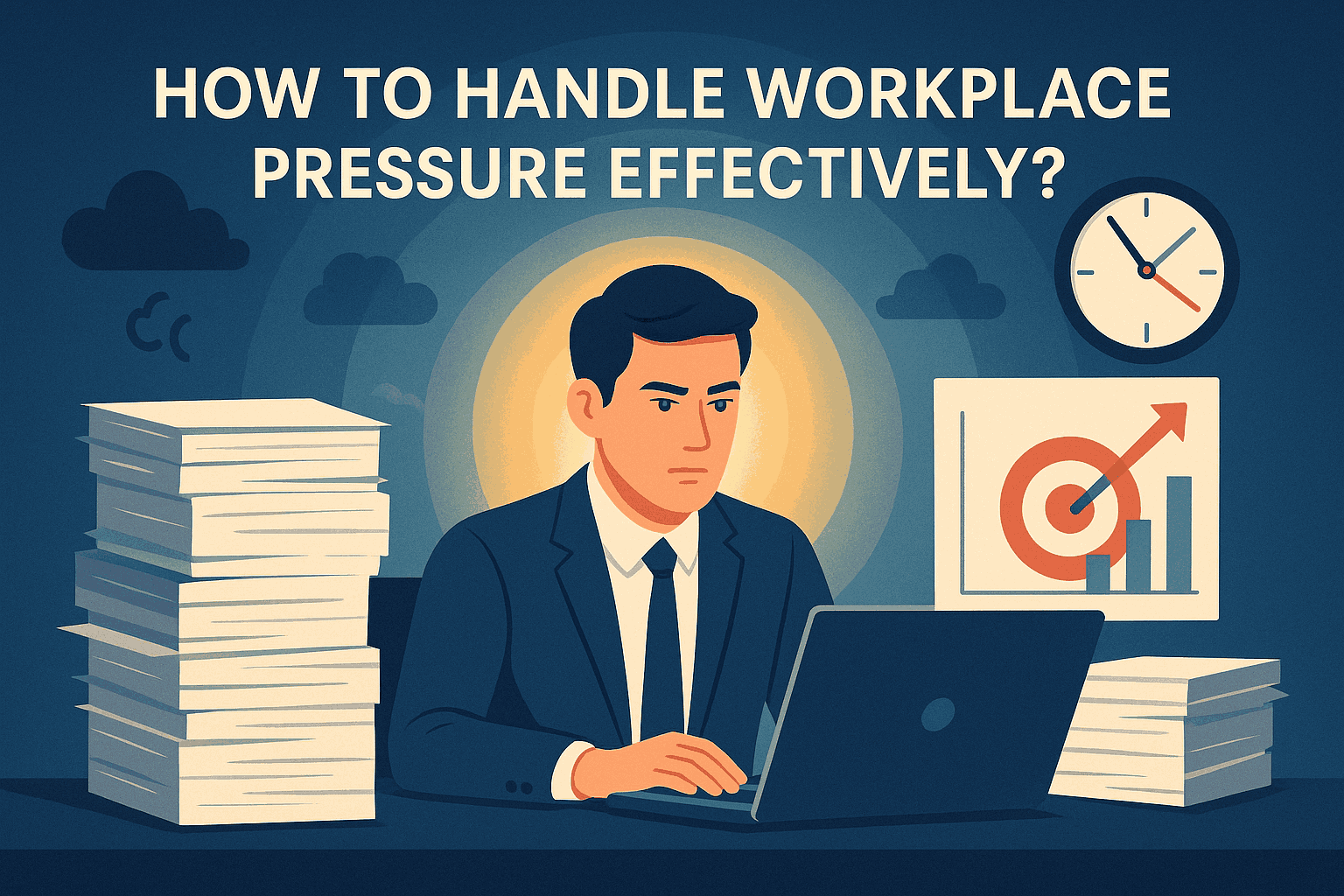
Workplace pressure is an inevitable part of modern professional life. In today's fast-paced world that demands high productivity and constant efficiency, it's easy to feel overwhelmed. If not managed properly, work-related stress can lead to serious physical and mental health issues. So, how can we deal with workplace pressure wisely and effectively? In this article, we’ll explore practical strategies to manage pressure at work while staying healthy, productive, and happy.
WHAT IS WORKLACE PRESSURE
Workplace pressure refers to situations where job demands exceed an individual’s capacity to cope. This pressure can stem from various factors such as tight deadlines, excessive workload, interpersonal conflict, or lack of support from supervisors.
Common symptoms of workplace pressure include:
- Prolonged stress
- Difficulty sleeping
- Irritability or anxiety
- Decreased job performance
- Physical problems such as headaches, ulcers, or high blood pressure
COMMON CAUSE OF WORKPLACE PRESSURE
Understanding the sources of pressure is key to finding effective solutions. Some of the most common causes include:
- Excessive tasks and responsibilities
- Lack of control over job duties
- Unrealistic expectations from management
- Poor or toxic work environment
- Weak social support or lack of team cooperation
By identifying the root causes, it's easier to take meaningful steps toward stress management.
EFFECTIVE WAYS TO DEAL WITH WORKPLACE PRESSURE
1. Practice Good Time Management
Time management is essential to reduce work-related stress. Use tools like to-do lists, digital calendars, or time blocking techniques. Focus on high-priority tasks and avoid procrastination.
2. Communicate with Your Supervisor
Don’t hesitate to discuss workload concerns with your manager. Express your thoughts professionally and propose constructive solutions. Open communication fosters a healthier work environment.
3. Take Breaks Regularly
Never underestimate the power of short breaks. Even 5–10 minutes of rest every few hours can refresh your body and mind, improving your ability to handle stress.
4. Maintain Work-Life Balance
Set aside time for yourself, your family, and your hobbies. Achieving balance between your professional and personal life is essential for mental well-being.
5. Practice Relaxation Techniques
Incorporate practices like meditation, yoga, or deep breathing exercises into your routine. Just 10 to 15 minutes a day—especially after work—can significantly reduce stress levels.
6. Build a Supportive Network
Surround yourself with supportive colleagues who you can talk to or seek advice from. A positive work culture makes a big difference in managing stress.
7. Enhance Your Skills and Confidence
Sometimes pressure arises from a lack of confidence. Keep learning and developing your skills to feel more capable and ready to face challenges at work.
WHEEN TO SEEK PROFESSIONAL HELP?
If workplace stress becomes overwhelming and starts affecting your health or personal life, don’t hesitate to seek help from a psychologist or counselor. Mental health is just as important as physical health.
CONCLUSION
Dealing with workplace pressure isn’t always easy, but it is entirely possible with the right approach. Start with small steps—manage your time wisely, communicate clearly, and take care of your overall well-being. That way, you can stay productive without sacrificing your health and happiness.
About the Author
Gusti Ayu Tita
Author — STEKOM University
An active author focused on academic issues, educational technology, and human resource development in the campus environment.



