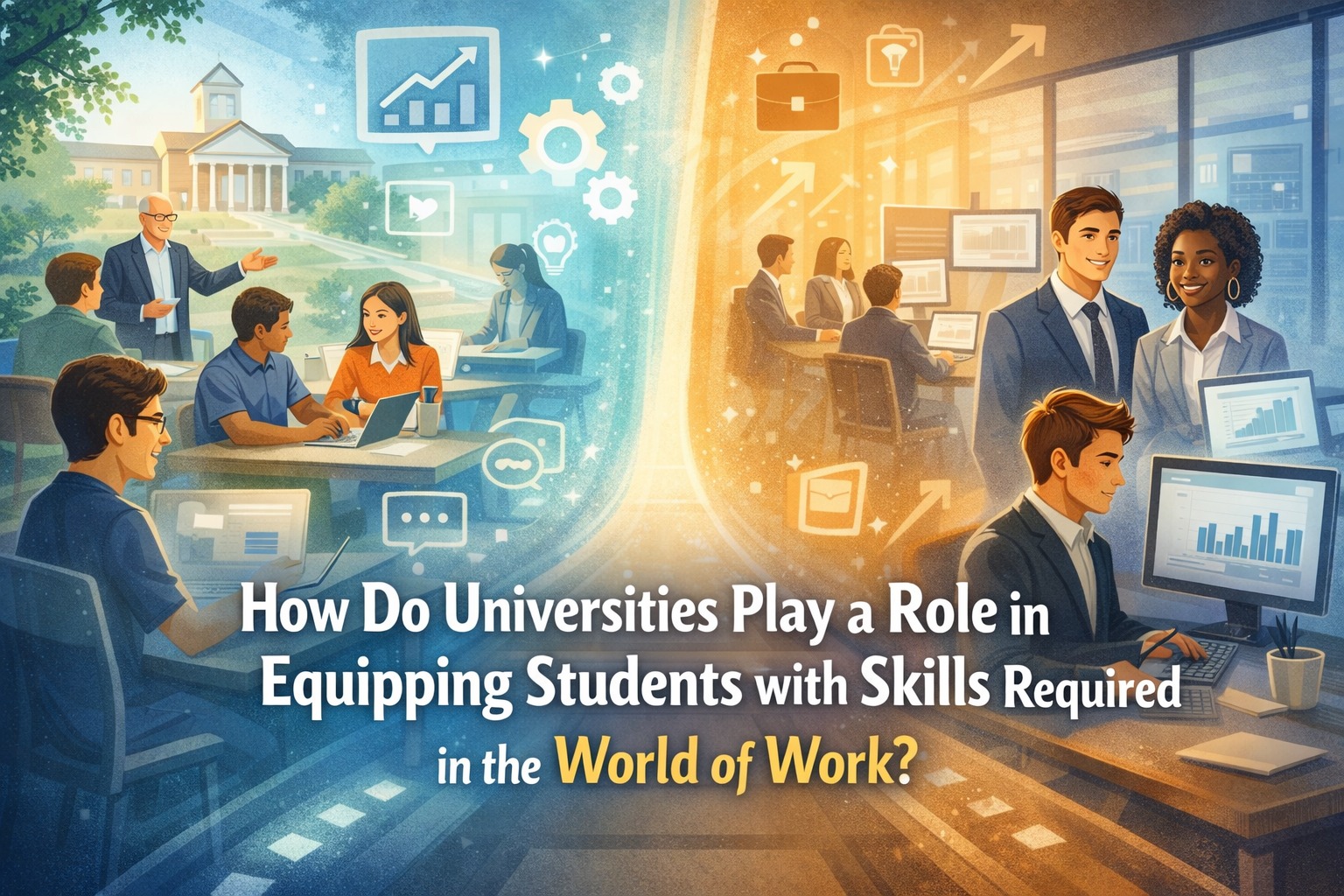
The rapid changes in the world of work require university graduates not only to excel academically but also to possess practical skills and strong character. This is where the role of universities becomes crucial as a bridge between education and the professional world. Universities are not merely places for learning theory, but also spaces for developing competencies and work ethics in students.
THE ROLE OF UNIVERSITIES IN DEVELOPING STUDENT SKILLS
Universities hold a major responsibility in equipping students with skills that are relevant to industry needs. Through adaptive curricula, universities can integrate theory with practice so that students become accustomed to addressing real-world problems. Project-based learning, case studies, and practical sessions are effective methods for training critical thinking and problem-solving skills.
In addition, universities play a role in providing supplementary training such as seminars, workshops, and certifications that support student competencies. These activities help students understand professional standards applied in the workplace.
THE ROLE OF LECTURERS AND EDUCATIONAL STAFF IN CHARACTER BUILDING
The extent to which lecturers and educational staff contribute to character development greatly influences graduates’ work readiness. Lecturers do not only function as instructors but also as mentors and role models. Through discipline, responsibility, and ethical behavior demonstrated by lecturers, students learn professional values indirectly.
Other educational staff, such as academic administrators and student advisors, also play a role in creating a supportive campus environment. An orderly, supportive, and self-development-oriented environment fosters independent and high-integrity students.
SUPPORTING ACTIVITIES FOR WORK READINESS
Various non-academic activities on campus also support students’ readiness for the workforce. Internship programs, practical work, and guest lectures from industry practitioners provide real insights into the professional world. Through these activities, students learn workplace culture, professional communication, and time management firsthand.
Student organizations also serve as important platforms for developing leadership, teamwork, and communication skills. These competencies often become determining factors for student success when entering the job market.
SYNERGY BETWEEN UNIVERSITIES AND INDUSTRY
Collaboration between universities and industry is key to ensuring that graduates possess relevant competencies. Through such partnerships, universities can adjust learning materials to meet labor market demands. Industry also benefits by gaining graduates who are job-ready and familiar with professional expectations.
Strong synergy helps students become more confident and competitive after graduation.
CONCLUSION
The role of universities in equipping students with workplace skills cannot be separated from the contributions of lecturers and educational staff in shaping student character. Through appropriate curricula, supportive academic environments, and collaboration with industry, universities can produce graduates who are not only academically capable but also professionally prepared to face real-world challenges.
About the Author
Gusti Ayu Tita
Author — STEKOM University
An active author focused on academic issues, educational technology, and human resource development in the campus environment.