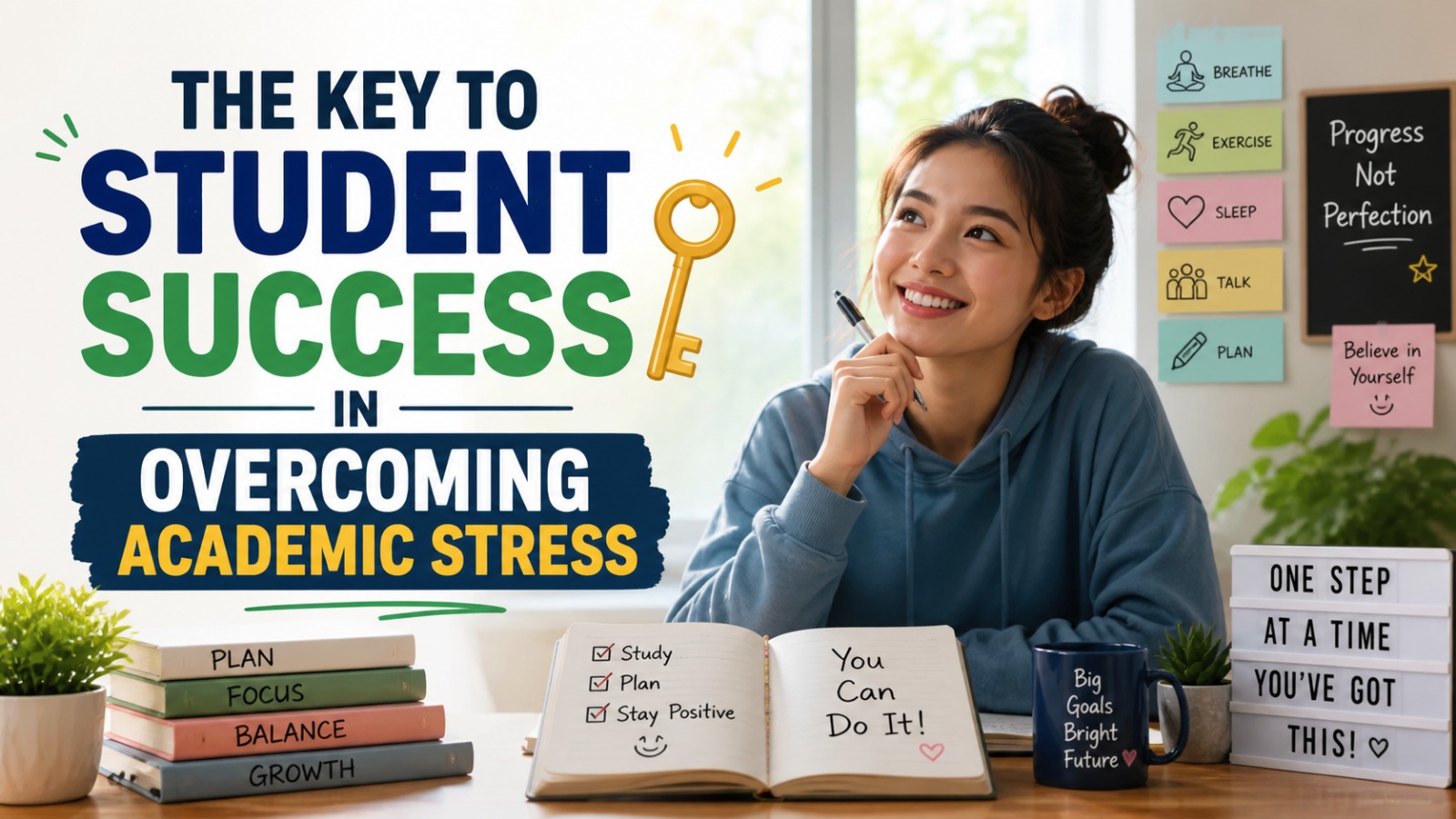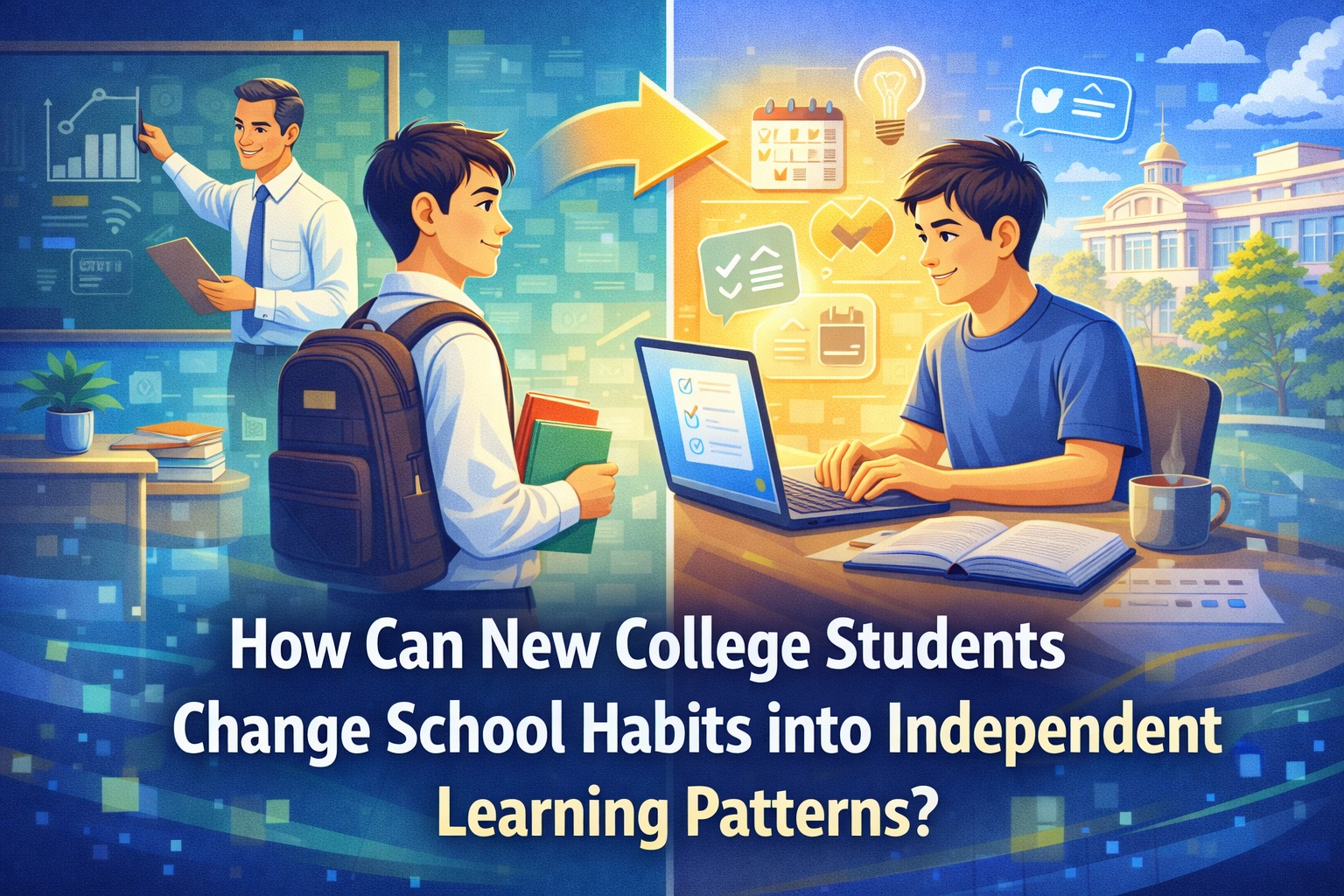
The transition from school to college is not merely a change in educational level, but also a major shift in the way learning takes place. If students were previously accustomed to being guided in detail by teachers, college students are now expected to manage their own learning process. It is not surprising that many freshmen feel shocked, confused, or even overwhelmed.
The good news is that independent learning is not an innate talent—it is a skill that can be developed. With the right strategies, new college students can adapt and build more effective learning habits.
UNDERSTANDING THE DIFFERENCES BETWEEN SCHOOL AND COLLEGE LEARNING PATTERNS
The first step toward change is understanding what is actually different. In school, the learning system is usually structured: tight schedules, supervised assignments, and step-by-step explanations of material. In college, the system is more flexible but demands a high level of personal responsibility.
The main differences include:
- Lecturers do not always explain material in detail
- Assignments require deeper analysis and understanding
- Study time must be managed independently
- Learning resources are not limited to a single source
Recognizing these changes helps students stop waiting for instructions and start taking initiative.
START BY CONSCIOUSLY MANAGING YOUR TIME
Independent learning relies heavily on time management skills. Without a clear schedule, students easily procrastinate until deadlines approach.
Some steps that can be taken include:
- Creating a weekly study schedule
- Setting aside specific time to review material after class
- Using reminders for assignment deadlines
- Separating study time from rest time
Consistent scheduling helps form new, more independent routines.
CHANGE THE WAY YOU TAKE NOTES AND UNDERSTAND MATERIAL
In school, note-taking often means copying what the teacher writes. In college, students need to take notes in a more active and reflective way.
Try to:
- Rewrite material in your own words
- Create summaries after class
- Organize concept maps or key points
These methods help the brain process information more deeply, rather than simply memorizing it.
PRACTICE INITIATIVE IN FINDING LEARNING RESOURCES
Independent learning means not relying solely on materials provided by lecturers. Students need to get used to seeking additional references to enrich their understanding.
Useful resources include:
- Reference books in the library
- Academic journals or scholarly articles
- Educational learning videos
- Academic discussions with peers
This habit improves critical thinking skills and broadens perspectives.
GET USED TO ASKING QUESTIONS AND DISCUSSING
New students often hesitate to ask questions for fear of appearing unknowledgeable. In fact, asking questions is a vital part of independent learning.
Discussions help to:
- Clarify difficult concepts
- Discover different viewpoints
- Avoid misunderstandings of the material
Independent learning does not mean learning alone, but actively building understanding.
BUILD SELF-DISCIPLINE GRADUALLY
Changing habits cannot be done overnight. Start with small targets, such as studying 30–60 minutes each day outside of class hours. Over time, self-discipline will develop naturally.
Focus on the process rather than instant results. Small, consistent habits are far more effective than short-lived bursts of motivation.
MAINTAIN BALANCE TO AVOID BURNOUT
Healthy independent learning still requires adequate rest. Do not let the desire to adapt lead to physical and mental exhaustion.
Make sure to:
- Get enough sleep
- Take breaks while studying
- Engage in enjoyable activities
Balance helps maintain long-term learning motivation.
CONCLUSION
Changing learning habits from a school-based pattern to independent learning is indeed challenging for new college students. However, with good time management, initiative in seeking learning resources, courage to discuss, and gradually built discipline, the adaptation process becomes much easier.
Independent learning not only helps students achieve good grades, but also shapes independence, responsibility, and critical thinking skills that are essential in the professional world.
About the Author
Gusti Ayu Tita
Author — STEKOM University
An active author focused on academic issues, educational technology, and human resource development in the campus environment.