
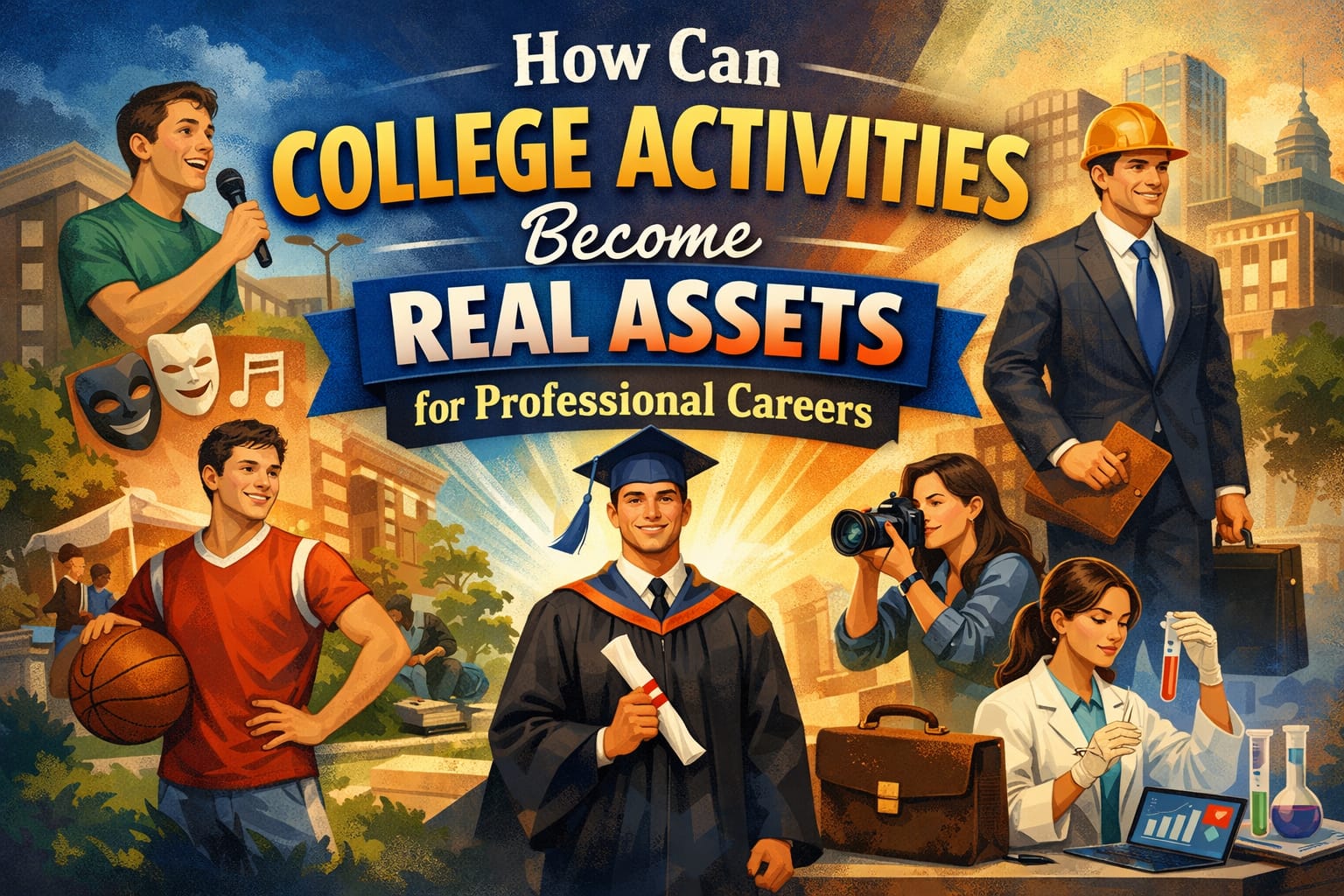
For many students, university activities are often seen as mere academic routines that end with graduation. In reality, every activity during college can become valuable capital for entering the professional world. The real challenge lies in how students manage and interpret their academic experiences so they align with workplace expectations. This article discusses strategic ways to transform university activities into practical career preparation before graduation.
VIEWING UNIVERSITY LIFE AS A COMPETENCY-BUILDING PROCESS
University education is not just about attending classes and completing assignments. Each course trains students to think critically, analyze problems, and develop solutions.
Students who are able to connect academic theories with real-world applications will find it easier to explain their competencies during job applications, even without extensive professional experience.
MAXIMIZING ACADEMIC ASSIGNMENTS AND PROJECTS
Academic tasks are often considered burdens, even though they can serve as early professional portfolios. Reports, presentations, research projects, and group work reflect both technical abilities and soft skills.
By properly documenting academic projects, students can demonstrate:
* Analytical skills
* Teamwork abilities
* Time management
* Problem-solving skills
All of these are highly relevant to professional environments.
BEING ACTIVE IN STUDENT ORGANIZATIONS AND CAMPUS ACTIVITIES
Student organizations provide a small-scale simulation of the professional world. Through organizational involvement, students learn leadership, communication, and accountability.
Well-managed organizational experience can serve as concrete evidence of non-academic competencies during recruitment processes.
TAKING ADVANTAGE OF INTERNSHIPS AND PRACTICAL PROGRAMS
Internships and practical training programs act as direct bridges to the professional world. These experiences help students understand workplace culture and industry expectations.
Students who take internships seriously gain a competitive advantage because they become familiar with professional standards and work rhythms.
DEVELOPING ADDITIONAL SKILLS OUTSIDE THE CLASSROOM
Not all skills required in the workplace are taught in class. Therefore, students must proactively develop additional skills independently.
Highly valuable skills include:
* Digital skills
* Professional communication
* Writing and presentation skills
* Problem-solving abilities
These skills complement academic activities and strengthen career readiness.
BUILDING NETWORKS THROUGH CAMPUS ACTIVITIES
University life also offers opportunities to build professional networks. Interactions with lecturers, alumni, and fellow students can evolve into valuable professional relationships.
Networks formed during college often become sources of job information and career opportunities after graduation.
CRAFTING A PROFESSIONAL NARRATIVE FROM ACADEMIC EXPERIENCES
University activities only gain value when students can articulate them effectively. Students need to learn how to transform academic experiences into professional narratives.
The ability to explain roles, responsibilities, and outcomes from academic activities helps students appear more confident and convincing to recruiters.
CONCLUSION
Turning university activities into professional career capital requires awareness and strategic planning. Every class, assignment, organization, and practical experience holds value when managed effectively. Students who make the most of their college years graduate not only with a degree but also with relevant competencies that prepare them to compete confidently in the professional world.
About the Author
Gusti Ayu Tita
Author — STEKOM University
An active author focused on academic issues, educational technology, and human resource development in the campus environment.



