
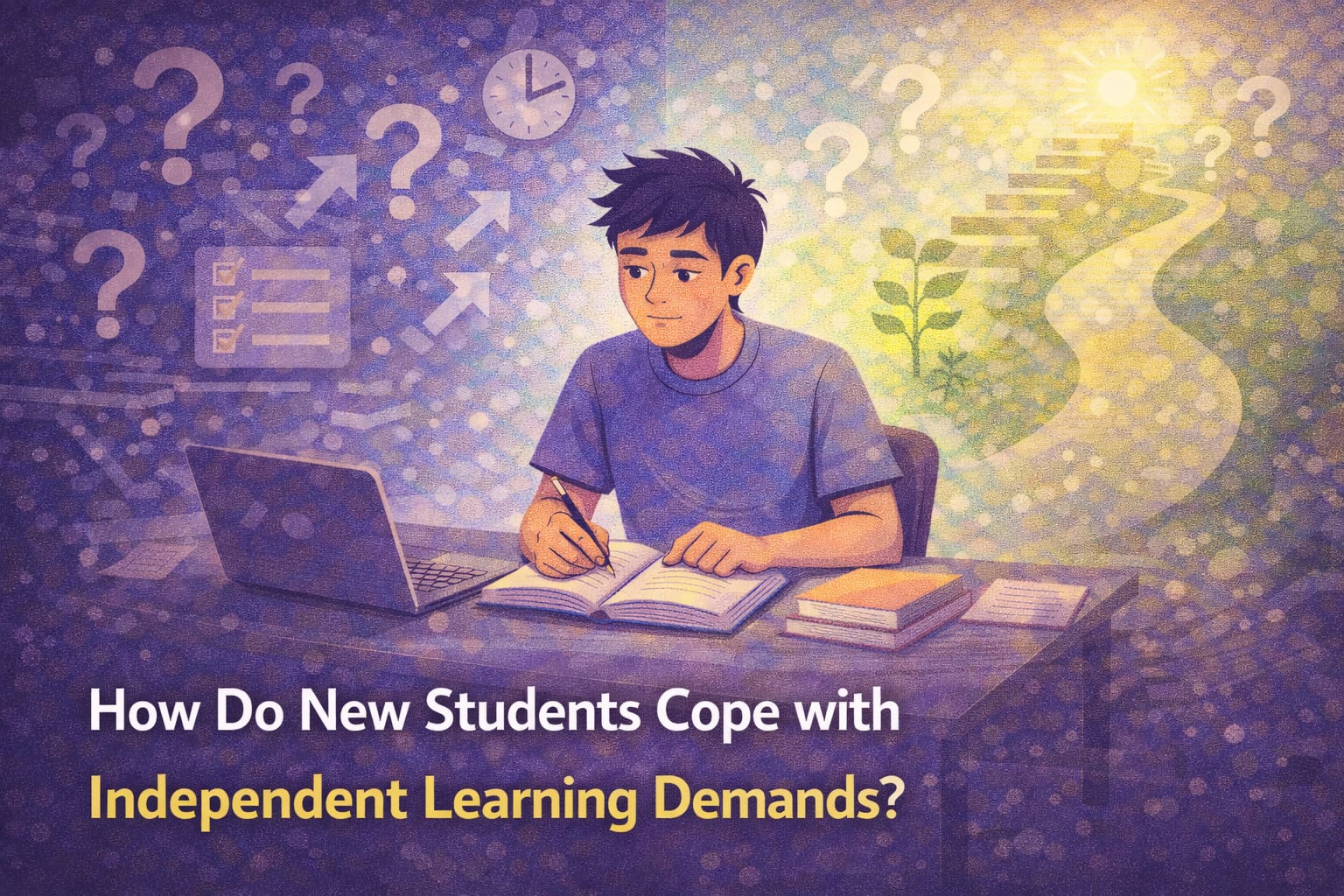
Effective Strategies for Freshmen to Face the Demands of Independent Learning
Entering university life brings freshmen into a phase that demands strong independent learning skills. Many students feel confused when dealing with course materials, assignments, and more flexible schedules compared to school. This article discusses practical strategies and concrete steps that freshmen can take to face the demands of independent learning effectively.
DIFFERENCES IN UNIVERSITY LEARNING SYSTEMS
One of the main challenges is the difference between school and university learning systems. In school, students are accustomed to teacher supervision and structured schedules. In higher education, students are expected to manage their time, seek academic references, and understand course materials independently. This transition often causes initial confusion.
University learning requires greater autonomy and self-regulation.
THE IMPORTANCE OF TIME MANAGEMENT
Independent learning requires effective time management skills. Freshmen need to create realistic study schedules, break materials into smaller sections, and set clear priorities. Good time management helps students complete assignments on time and reduces stress caused by accumulating academic workloads.
Proper time management prevents academic overload.
RECOGNIZING PERSONAL LEARNING STYLES
Every student has a different learning style, such as visual, auditory, or kinesthetic. By identifying personal learning styles, freshmen can choose study methods that are most effective for them. This not only improves comprehension but also makes the learning process more enjoyable.
Learning style awareness enhances learning effectiveness.
UTILIZING ACADEMIC ENVIRONMENT SUPPORT
The academic environment plays an important role in helping freshmen adapt to independent learning. Discussions with classmates, study groups, and lecturer guidance can clarify course materials and accelerate understanding. This social and academic support is essential for maintaining motivation and building consistent study habits.
Academic support systems strengthen independent learning.
STRATEGIES TO OVERCOME INDEPENDENT LEARNING CHALLENGES
Additional strategies that freshmen can apply include:
1. Creating neat and systematic notes during lectures.
2. Participating in training sessions or workshops to improve academic skills.
3. Setting short-term and long-term learning goals.
4. Conducting regular evaluations of learning methods used.
By applying these strategies, freshmen can become more confident and capable of meeting independent learning demands effectively.
Continuous evaluation helps refine learning strategies.
CONCLUSION
Freshmen face independent learning challenges due to differences in learning systems, time management demands, and personal learning styles. With the right strategies, effective use of academic environments, and support from peers or lecturers, freshmen can adapt successfully and develop optimal independent learning skills.
About the Author
Gusti Ayu Tita
Author — STEKOM University
An active author focused on academic issues, educational technology, and human resource development in the campus environment.



